The Asymmetry of Judgment: Why We Judge Others More Harshly Than Ourselves
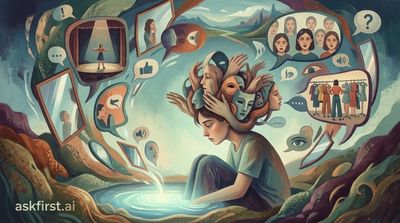
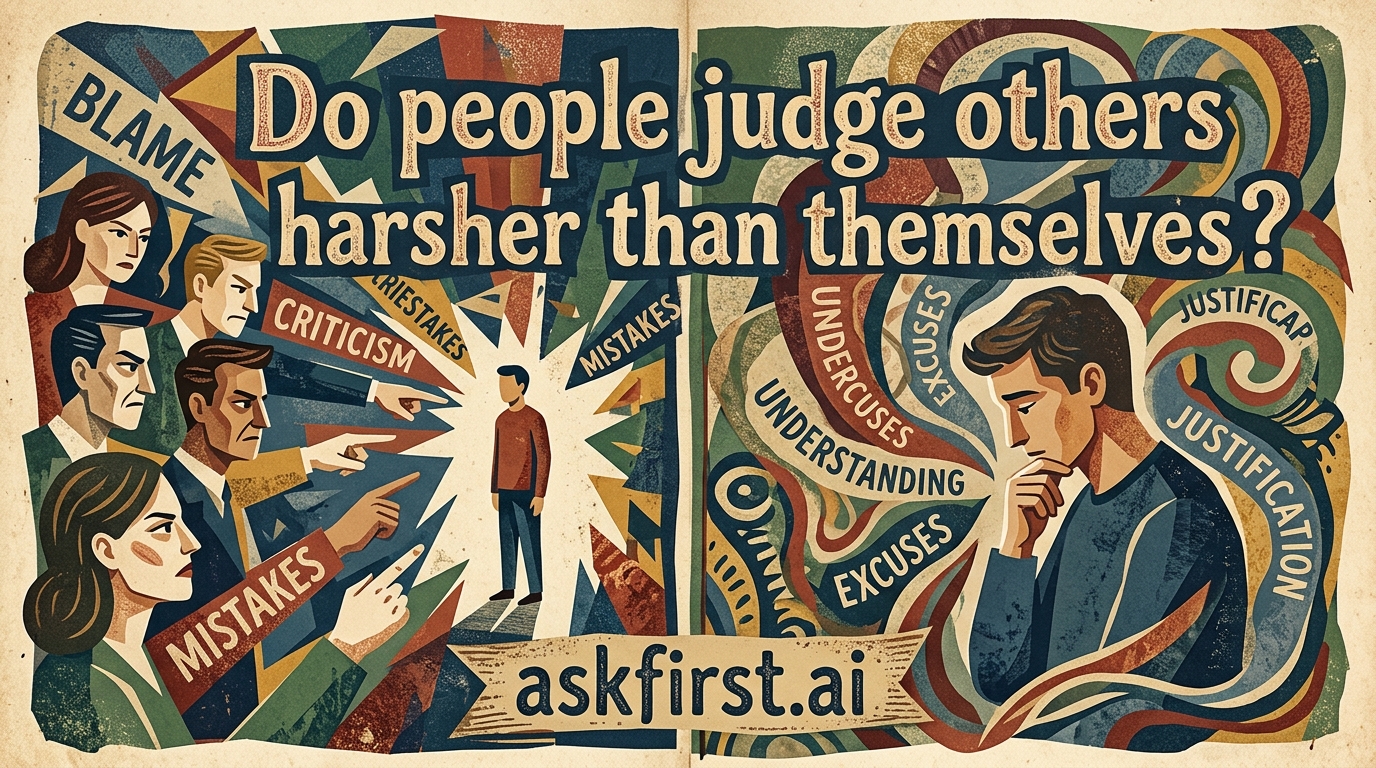
The human tendency to evaluate the actions of others with a different set of moral and logical criteria than those we apply to ourselves is one of the most well-documented phenomena in social psychology. This psychological discrepancy, known primarily as the Fundamental Attribution Error and the Actor-Observer Bias, creates a persistent imbalance in how we perceive social interactions. While we are often quick to condemn the perceived failings of others, we almost invariably grant ourselves the grace of situational context.
The Fundamental Attribution Error: Context vs. Character
The core of this judgmental imbalance lies in how we explain behavior. When we observe someone else’s mistake—such as a colleague missing a deadline or a stranger cutting in line—we tend to attribute their behavior to their internal character. We assume they are "lazy," "disorganized," or "rude." This is the Fundamental Attribution Error, a term coined by social psychologist Lee Ross in his seminal 1977 paper, The Intuitive Psychologist and His Shortcomings.
Conversely, when we commit the exact same error, we immediately look for external, situational factors to explain our behavior. If I miss a deadline, it is because my computer crashed, or my workload was unreasonable. I do not see myself as a lazy person; I see myself as a victim of circumstance. We possess a wealth of information about our own internal struggles, stressors, and intentions, but we are essentially blind to the internal lives of others. Therefore, we fill that void with simplified, often negative, personality-based assumptions.
The Actor-Observer Bias: A Two-Way Street
Building upon this, the Actor-Observer Bias explains why we view our own actions as responses to the environment while viewing others' actions as reflections of their personality. As described by Edward Jones and Richard Nisbett in their 1971 work The Actor and the Observer: Divergent Perceptions of the Causes of Behavior, our visual perspective is a primary driver of this bias.
When you are the "actor," your focus is directed outward, toward the environment you are navigating. When you are the "observer," your focus is directed toward the person performing the action. Because the person is the most salient feature in your visual field, you naturally assign them the most weight in explaining the outcome.
Examples of this bias in daily life include:
- Traffic Incidents: If you cut someone off in traffic, you likely tell yourself you were distracted by a sudden movement or a glare. If someone cuts you off, you immediately label them as a "reckless driver."
- Workplace Failures: If an employee fails to meet a goal, a manager may judge them as incompetent. If that same manager fails to meet a goal, they cite a lack of resources or poor communication from upper management.
The Role of Self-Serving Bias
Beyond mere perception, we are also motivated by a drive to protect our self-esteem, a phenomenon known as the Self-Serving Bias. We are psychologically wired to take credit for our successes while distancing ourselves from our failures. This serves as a defense mechanism to maintain a positive self-image.
As noted by David Myers in his textbook Social Psychology, this bias allows individuals to navigate the complexities of their own lives without being paralyzed by constant self-critique. However, it creates a "blind spot" where we cannot see our own hypocrisy. We judge others harshly because it reinforces our own moral standing; by identifying the flaws in others, we implicitly affirm that we are not prone to such failings.
The Neurobiology of Empathy Gaps
Recent research in neuroscience suggests that the empathy gap—our inability to accurately predict how we would act in a different emotional state—further exacerbates this harsh judgment. We struggle to simulate the emotional pressure someone else is feeling. If someone is snapping at their child in a grocery store, we judge them because we are currently calm and rational. We fail to account for the fact that they may be sleep-deprived, stressed, or dealing with a crisis we cannot see. We lack the "visceral empathy" required to suspend judgment, leading to a harsher, more clinical assessment of their behavior.
Conclusion: Bridging the Gap
The tendency to judge others more harshly than ourselves is a deeply ingrained cognitive shortcut. It is an evolutionary byproduct of our need to quickly categorize the world and protect our own status. However, recognizing these biases is the first step toward correcting them.
By actively practicing "perspective-taking"—the conscious effort to imagine the situational pressures someone else might be facing—we can begin to bridge the gap between our internal experience and our external observations. As the stoic philosopher Marcus Aurelius famously mused in his Meditations, "When you wake up in the morning, tell yourself: The people I deal with today will be meddling, ungrateful, arrogant, dishonest, jealous, and surly." He understood that human imperfection is universal. By acknowledging that others are just as complex and constrained by their circumstances as we are, we can move toward a more compassionate, balanced, and accurate view of the world around us.