The Psychology of Luxury Consumption
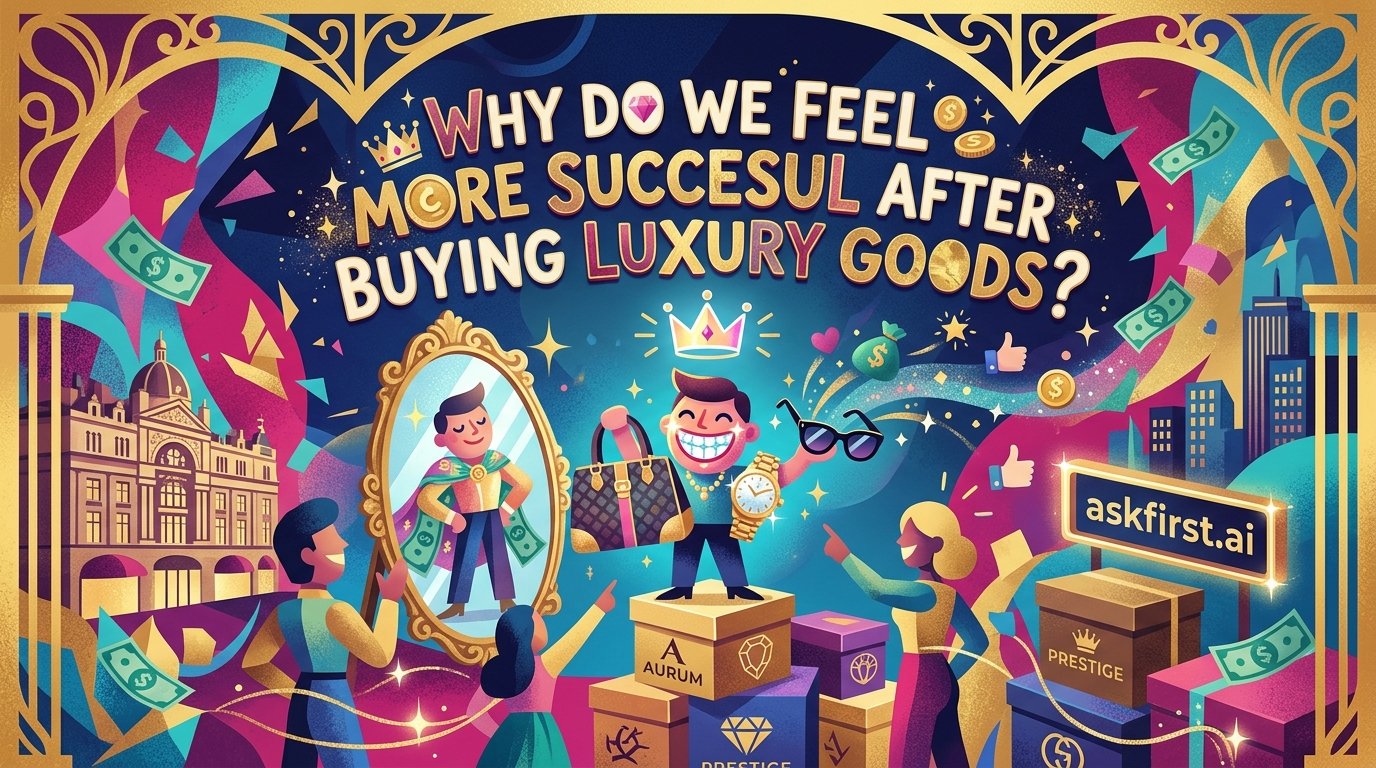
Human beings are social animals inherently attuned to signals of hierarchy, competence, and fitness. The consumption of luxury goods is rarely about the mere utility of an object—a luxury watch tells time no more accurately than a smartphone—but rather about the psychological signaling inherent in the purchase. When an individual acquires a high-status item, they are participating in a complex dance of social signaling that activates reward pathways in the brain, creating a tangible sense of achievement.
The Signaling Theory of Status
Evolutionary psychology suggests that luxury goods serve as 'costly signals.' In the animal kingdom, traits like a peacock’s tail or a deer's antlers are expensive to produce and maintain; they serve as honest indicators of health and genetic fitness. In modern human society, luxury goods act as artificial 'peacock tails.' Purchasing a designer handbag or a luxury vehicle signals that an individual possesses surplus resources. This signaling is a form of social currency that communicates competence and success to peers, which in turn triggers feelings of high status and self-worth.
Neurochemical Rewards
The act of purchasing a luxury item triggers the release of dopamine in the brain’s reward system. This is often referred to as the 'anticipatory dopamine surge.' The desire for the item, the shopping experience, and the acquisition phase are all mapped by the brain as rewarding behaviors. Once the object is acquired, the owner experiences a temporary elevation in self-esteem. This is known as the 'hedonic treadmill,' where the initial joy of the acquisition begins to fade, prompting the consumer to seek the next 'win' to maintain that feeling of success.
The Role of Reference Groups
Social comparison theory, pioneered by Leon Festinger, posits that people determine their own social and personal worth based on how they stack up against others. Luxury goods provide a clear metric for this comparison. When an individual surrounds themselves with high-end products, they adjust their reference group. By buying luxury, they are effectively placing themselves within a 'success club,' mentally aligning their identity with groups they perceive as elite or successful. This mental repositioning is a significant contributor to the feeling of personal achievement.
Myths About Luxury Consumption
Myth: Luxury is only for the wealthy. Research shows that the aspirational middle class is often the primary driver of the luxury market. Many individuals purchase luxury goods specifically to facilitate social mobility—at least in their own perception. By 'dressing the part,' they hope to garner better opportunities and social treatment, which creates a self-fulfilling prophecy of success.
Myth: Quality is the primary driver. While luxury brands emphasize craftsmanship, the primary driver for many consumers is the brand equity. The 'prestige value' often accounts for the vast majority of the price tag, which is precisely why people feel more successful; they are buying the prestige, not just the raw materials.
Psychological Benefits of Luxury
- Identity Reinforcement: Owning luxury items allows individuals to project a desired version of themselves to the world.
- Reduced Anxiety: By signaling status, individuals may feel more secure in competitive professional or social environments.
- Increased Confidence: Wearing or using high-status symbols can influence the 'enclothed cognition' effect, where the clothing or objects a person uses influence their own psychological processes and self-perception.
Long-Term Sustainability and Fulfillment
While luxury goods can provide a temporary boost in mood and perceived success, behavioral economists suggest that true, sustained success is rarely found in inanimate objects. The sense of achievement derived from external goods is often brittle, requiring continuous consumption to maintain. True mastery and deep-seated success tend to come from internal development, professional accomplishments, and the cultivation of meaningful social capital. Luxury goods function best when they are viewed as tokens of one’s journey rather than the definition of the journey itself.
In conclusion, the feeling of success derived from luxury goods is a multifaceted phenomenon blending evolutionary signaling, brain chemistry, and complex social comparison. Understanding these mechanisms allows individuals to engage with the luxury market with greater awareness, ensuring that these purchases remain a source of inspiration rather than a crutch for self-esteem.