The Psychology of Shared Cinematic Experience
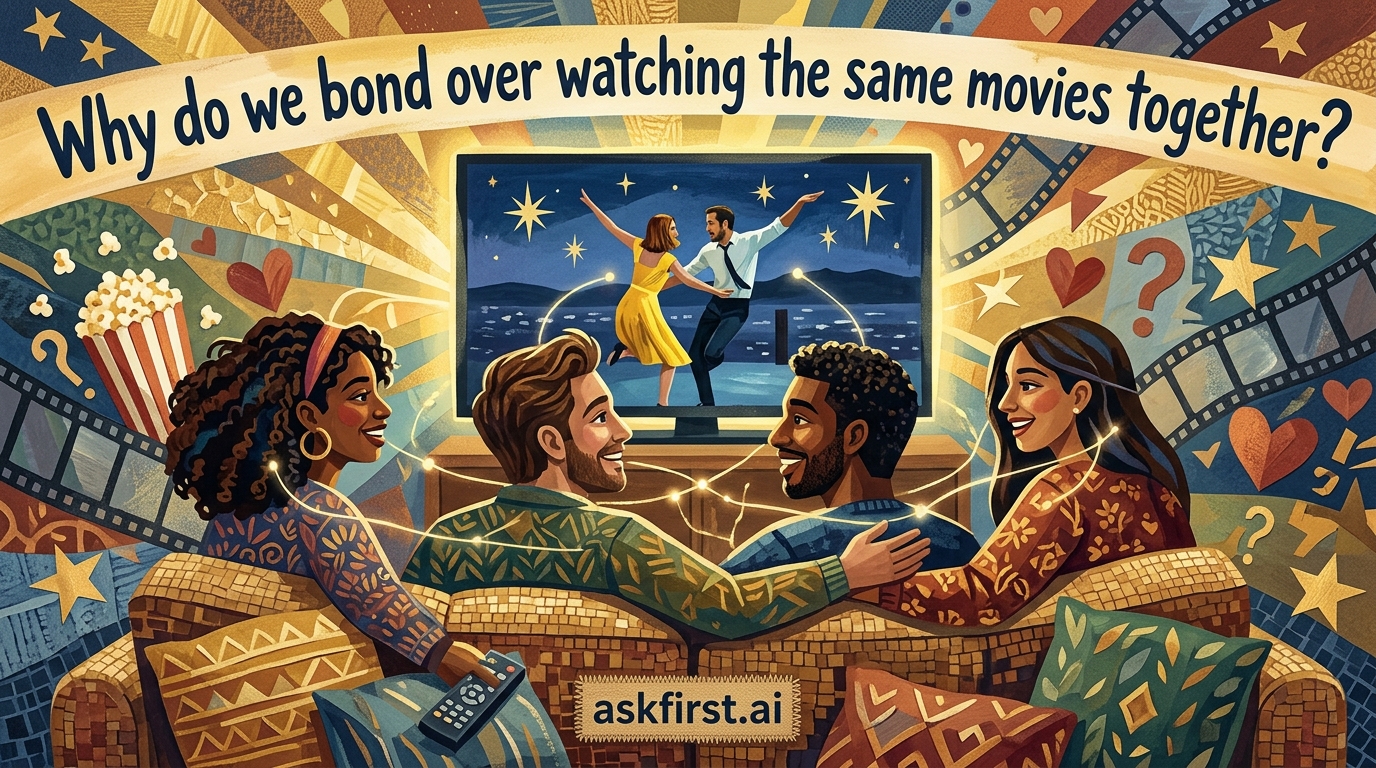
The phenomenon of watching movies together is deeply rooted in human social psychology and the fundamental biological drive for connection. When individuals consume the same narrative simultaneously, they engage in a process called neural coupling. Research conducted by neuroscientists like Uri Hasson suggests that when two people watch the same complex stimulus—such as a compelling film—their brain activity becomes synchronized. The neural responses in the amygdala, the prefrontal cortex, and the visual cortex start to mirror one another, essentially placing the viewers on the same cognitive and emotional wavelength.
The Role of Emotional Contagion
Beyond simple synchronization, watching a movie together facilitates emotional contagion. This is the tendency for individuals to automatically mimic and synchronize expressions, vocalizations, postures, and movements with those of another person, which then triggers the same emotion. When a group watches a horror film or a tear-jerker, the shared environment amplifies the intensity of these reactions. If a person feels scared during a jump-scare, seeing their companion startle reinforces the reality of the threat, leading to a heightened state of physiological arousal known as misattribution of arousal. This state often bonds people because the excitement of the movie is misidentified as a pleasant feeling resulting from the companionship.
Building a Shared Social Currency
Movies provide a vast amount of social currency. By watching a film together, participants build a 'shared reality.' This common knowledge base allows for internal jokes, nuanced discussions, and the reinforcement of social values. Sociologists point out that the post-movie debrief—the act of discussing the plot, character motives, and cinematography—is a critical component of social bonding. It allows individuals to express their personal moral frameworks within the safety of a fictional scenario. This 'safe space' for discourse helps strengthen interpersonal understanding without the risk of real-world confrontation.
The Evolutionary Basis of Storytelling
From an evolutionary perspective, storytelling was the original internet. Before written history, tribes sat around fires to share narratives that taught survival strategies, social norms, and community values. Modern cinema is simply the evolution of the campfire. When people watch a film together, they are participating in a ritual that acknowledges shared human experiences. The themes of triumph, loss, and growth present in most narratives serve as a societal anchor, reminding individuals that they are not alone in their experiences. The collective experience of the story validates the viewer’s feelings, effectively creating a sense of 'collective effervescence'—a term coined by Émile Durkheim to describe the feeling of being part of something larger than oneself.
Establishing Synchronized Norms
- Shared Attention: Focusing on the same narrative directs the cognitive resources of a group toward a single objective, reducing distractions and fostering intimacy.
- Validation: Having someone else laugh, gasp, or cry at the same moment provides psychological validation for one's own internal state.
- Relatability: Characters act as proxies for real-life experiences, allowing viewers to discuss sensitive topics indirectly through the lens of fictional characters.
- Endorphin Release: Laughter shared during comedies triggers the release of endorphins, which are natural stress-relieving neurochemicals that increase feelings of warmth toward others.
The Long-Term Impact on Relationships
These shared cinematic experiences create 'memory anchors.' Years later, when individuals recall a specific film, they do not just remember the plot; they remember the person they were with and the atmosphere of the room. This phenomenon is known as episodic memory encoding. By frequently engaging in these shared activities, people weave themselves into each other's biographical histories. The movie becomes a bridge that links two individuals, creating a recurring touchpoint that can be referenced throughout the life of the relationship. This is why a simple movie date is arguably one of the most effective ways to nurture deep, long-term bonds, as it satisfies the dual needs for shared stimulation and communicative connection.