The Anatomy of Emotional Attunement
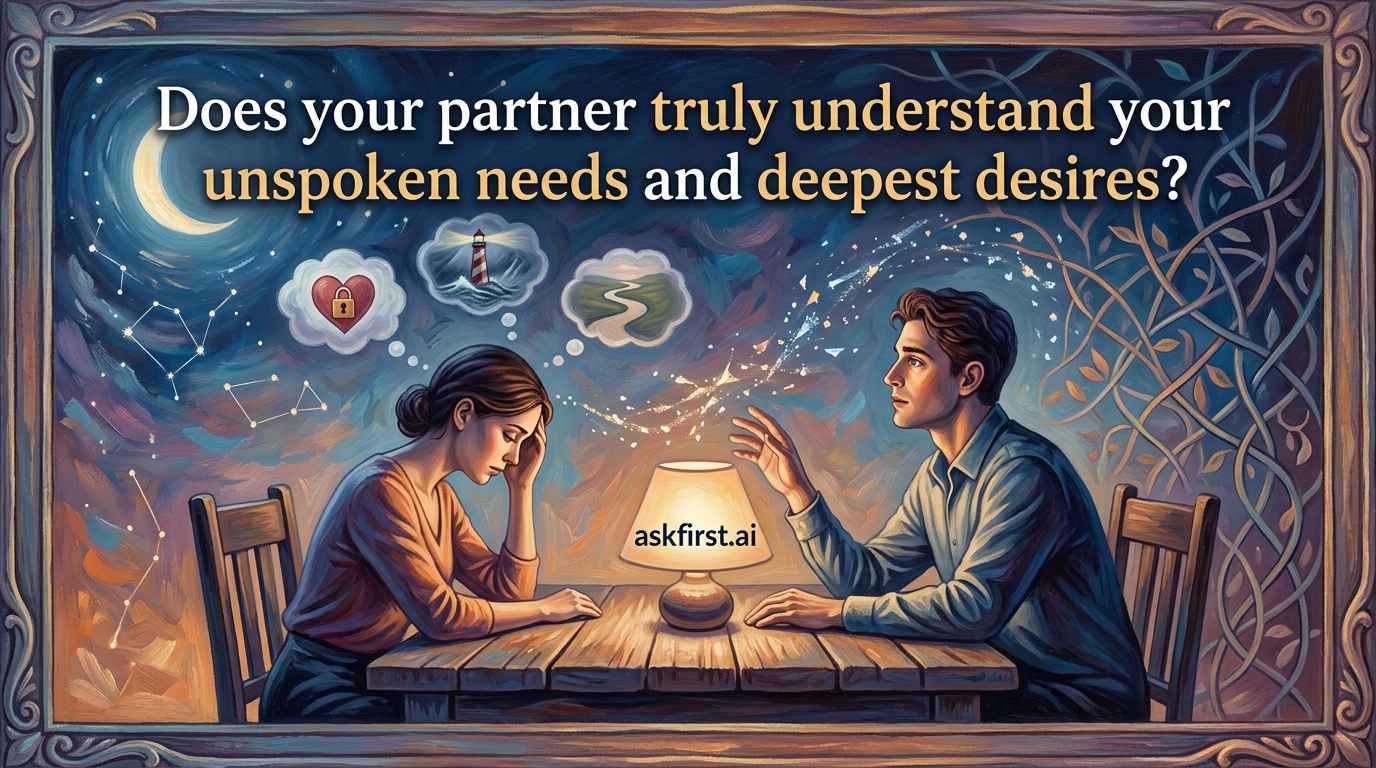
Emotional attunement represents the cornerstone of long-term relationship success. It is the capacity to sense, reflect, and respond to a partner's internal state—even when that state is never explicitly verbalized. While many assume that communication relies solely on language, psychological research consistently shows that over 70% of human communication is non-verbal. Understanding a partner's unspoken needs requires shifting the focus from 'hearing words' to 'observing patterns.'
The Myth of Mind Reading
One common misconception is the belief that a truly loving partner should inherently possess the ability to read minds. Relationship experts, such as those inspired by the Gottman Institute, argue that this 'mind-reading expectation' is actually a relationship killer. Instead of expecting innate psychic abilities, successful partners build an 'emotional bank account.' This account is filled through consistent, small positive interactions that create a baseline of trust and intimacy, making it easier to infer needs from subtle behavioral shifts.
Indicators of Deep Emotional Alignment
How does one determine if this invisible connection exists? There are specific observable markers:
- Micro-Expression Awareness: A partner notices a slight tension in the brow or a change in breathing rhythm before the individual even realizes they are feeling stressed.
- Proactive Adjustments: Changes are made to the environment or schedule that align with unspoken preferences, such as creating space for quiet time after observing a exhausting week.
- Consistent Responsiveness: The partner demonstrates high 'bid' responsiveness. When an individual offers a small connection attempt, the partner returns it rather than turning away or ignoring it.
Techniques for Deepening Attunement
Attunement is a skill, not a static trait. It can be developed through intentional practice. Consider the following strategies to foster a deeper understanding of one another:
- The Art of Curiosity: Replace assumptions with gentle inquiry. Instead of saying, 'I know why you are upset,' try, 'I am curious about what is weighing on you right now.' This invites the other person to share, rather than forcing them to feel exposed.
- Tracking Bids: Spend a week noticing how your partner asks for connection. Is it through touch, through asking questions, or through shared activities? By categorizing these 'bids,' you learn the primary language of their emotional needs.
- Reflective Listening: Practice mirroring what you hear not just in content, but in feeling. Saying, 'It sounds like you feel overwhelmed because your efforts aren't being acknowledged,' validates the unspoken emotional truth behind their words.
The Role of Vulnerability
Deep desires often remain unspoken because they are tied to past traumas, fears, or aspirations that feel 'too big' for casual conversation. Creating a container for these desires requires psychological safety. When a partner feels that their unspoken fears will be met with curiosity and protection rather than judgment, they are significantly more likely to reveal their deepest internal worlds. This cycle of sharing and being met with empathy creates an upward spiral of intimacy.
Navigating Differences in Expressive Styles
It is critical to remember that individuals express needs differently. Some are 'external processors,' needing to talk through every nuance of a desire to understand it themselves. Others are 'internal processors,' requiring solitude to crystallize their deepest wants. Misunderstanding these temperaments often leads to conflict. The partner who needs space may appear 'withdrawn' to the partner who needs verbal reassurance, even when the underlying intent is simply a difference in how they process their inner world. Recognizing these personality differences is a hallmark of emotional maturity.
Conclusion: The Ongoing Journey
True understanding is never a finished state. As people evolve, grow, and face new life chapters, their unspoken needs will naturally shift. An evergreen relationship is defined not by how well you currently know your partner, but by the ongoing commitment to remain a 'student' of their changing world. By fostering open curiosity, respecting individual processing styles, and maintaining a high level of responsiveness, the connection becomes resilient, profound, and deeply fulfilling over time. The goal is not to solve the puzzle of your partner once, but to fall in love with the process of discovery, day after day.