The Cinematic Dilemma: Solitary Immersion Versus Social Connection
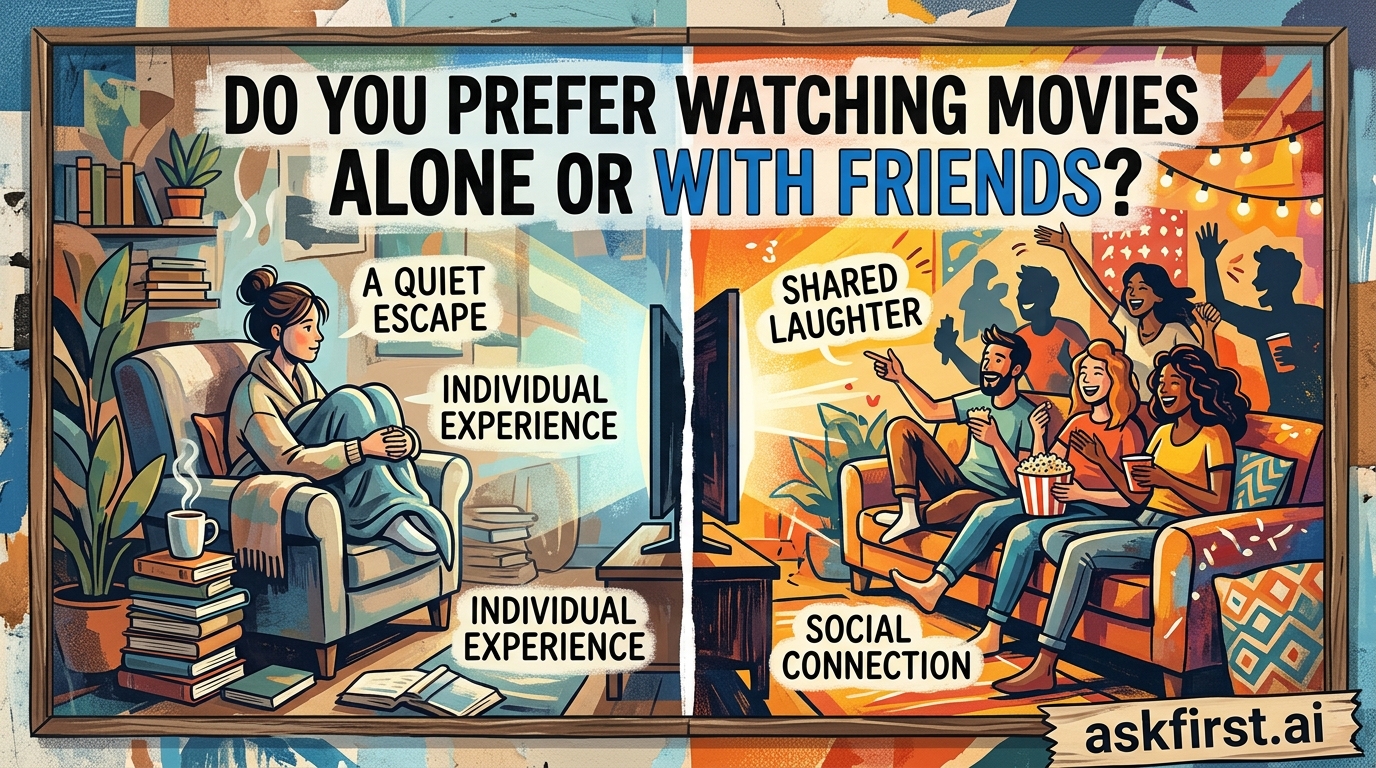
Choosing between solitary viewing and shared cinema experiences is not merely a matter of convenience; it represents a fundamental divergence in psychological engagement and neurobiological response. Both modalities offer unique advantages that shape how human brains encode, retain, and emotionally process storytelling. Understanding the mechanics behind these preferences can enhance the enjoyment of media and transform how individuals approach the art of film.
The Psychology of Solitude: Pure Cognitive Immersion
When watching a film alone, the viewer enters a state of high-focus concentration known as cognitive flow. Without the external stimuli of conversation or social performance, the brain can dedicate more resources to the narrative subtext, cinematography, and thematic depth.
- Psychological Agency: In a solitary environment, the viewer retains total agency. Pausing for reflection, rewinding to analyze a specific scene, or simply allowing a moment of emotional processing to occur without social pressure facilitates a deeper connection with the filmmaker's intent.
- Reduced Social Monitoring: Humans possess an innate desire to monitor the reactions of others during shared activities. This process, often subconscious, occupies cognitive space. By removing the 'audience within the audience,' solitary viewers eliminate the pressure to exhibit socially expected emotional responses, such as laughing at jokes that might not resonate or feigning interest to appease peers.
- Hyper-focus on Details: Studies in neuro-aesthetics suggest that without the distraction of social interaction, the brain is more effective at tracking complex narrative arcs and subtle visual metaphors, leading to a more intense, 'total' immersion experience.
The Power of Shared Reality: Social Synchronicity
Watching a movie with friends activates a different set of social and psychological mechanisms centered on empathy and mirror neurons. Shared experience functions as a form of collective reality testing, where the physical proximity of others validates the emotions elicited by the screen.
- The Mirror Neuron Effect: When humans watch a cinematic scene involving intense emotion, mirror neurons in the brain fire as if the viewer were experiencing the situation themselves. In a group setting, this effect is amplified. Seeing a friend react with shock, joy, or tears triggers a ripple effect, reinforcing the emotional intensity of the scene through social contagion.
- Bonding and Oxytocin: Shared narrative consumption is a powerful tool for social bonding. Discussing the themes, twists, and character arcs immediately following a screening serves as a 'social glue,' creating a shared memory that strengthens interpersonal relationships. The release of oxytocin, often called the 'bonding hormone,' is frequently triggered during communal activities, and shared storytelling is a time-honored way to achieve this.
- The 'Bystander' Safety Net: For horror or high-tension genres, the presence of friends provides a psychological safety net. This allows the viewer to engage with frightening or overwhelming stimuli while remaining within a 'safe zone' created by social support. This phenomenon is often cited as the reason why jump-scare-heavy films perform better in group environments than in solitary ones.
Comparative Analysis: Genre Suitability
To optimize the cinematic experience, it is beneficial to match the viewing environment with the genre of the film.
- High-Concept Art Films: These are ideally suited for solitary viewing. The nuances of directorial style, symbolism, and philosophical inquiry require the uninterrupted analytical processing of an individual brain.
- Blockbuster Spectacles and Horror: These genres thrive on communal energy. The 'spectacle' is designed to be shared, and the collective experience of sound and visual impact often feels muted when filtered through a solitary lens.
- Comedies: Humor is inherently a social signal. Research indicates that laughter is significantly more frequent and sustained in social groups, as the sound of others laughing acts as a positive feedback loop, increasing the overall enjoyment of the humorous material.
Designing the Ideal Cinematic Habit
There is no 'correct' choice between solitude and companionship; rather, there is a spectrum of preference that changes based on individual personality traits and current emotional needs. Extroverted individuals often find solitude draining, preferring the collaborative feedback loop of a group. Introverts, conversely, may find group viewing mentally exhausting, preferring the restorative power of a film enjoyed in peace.
To maximize the benefit of cinema as a medium, consider alternating environments based on the content of the narrative. Treating the 'how' of viewing as carefully as the 'what' of the film will lead to a more profound, diverse, and enriching cultural life. Whether seeking the deep analytical focus provided by solitary viewing or the emotional synergy of a shared audience, the key lies in understanding that both paths offer a valid, transformative journey into the heart of human storytelling.