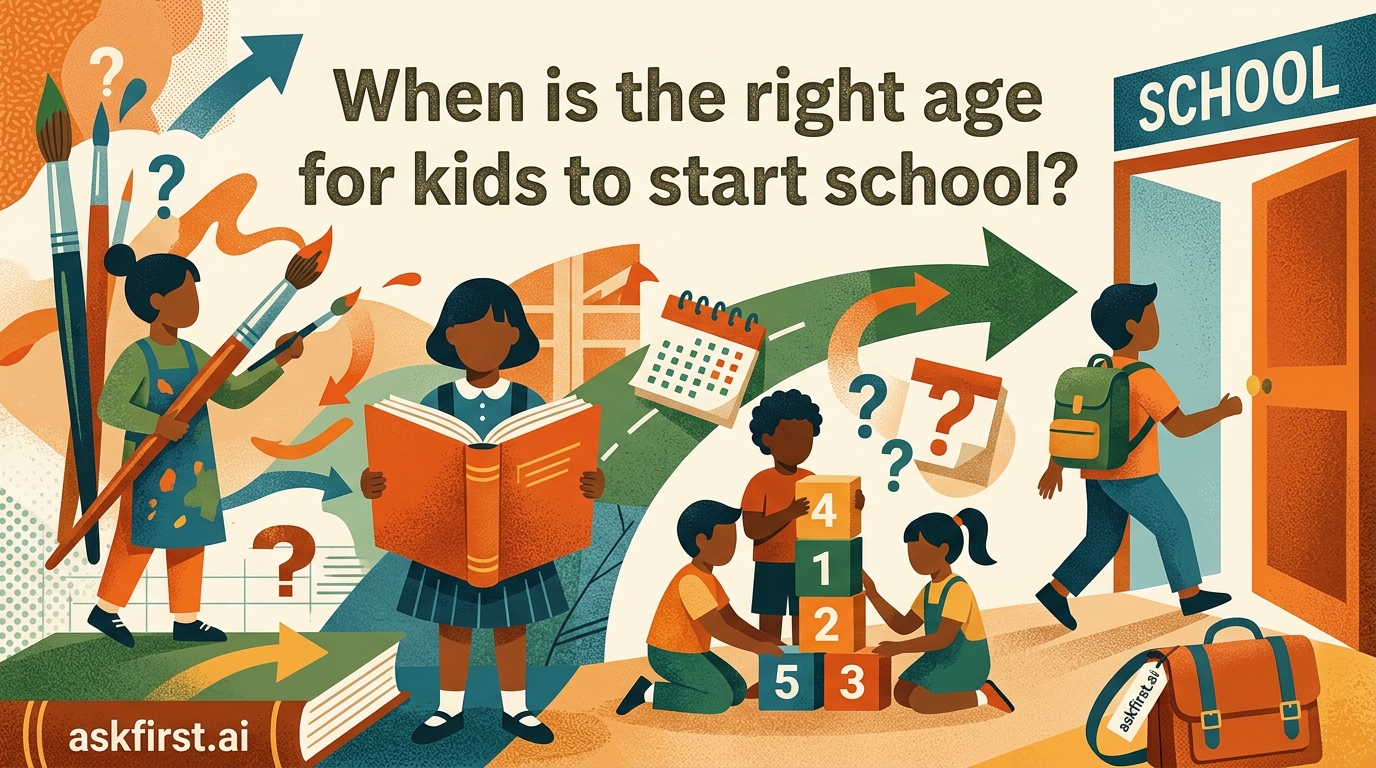
The Optimal Age for School Entry: A Developmental and Educational Guide
Determining the "right" age for a child to begin formal schooling is a complex decision that balances developmental milestones, legal mandates, and individual readiness. While government regulations provide a baseline, experts suggest that academic success is often more dependent on cognitive and social-emotional maturity than a specific chronological birthday.
Legal Frameworks vs. Developmental Readiness
In most developed nations, compulsory schooling begins between the ages of 5 and 7. In the United States, the majority of states require children to enroll in kindergarten by age 5 or 6. However, "school readiness" is a multifaceted concept that encompasses more than just age.
Key Indicators of Readiness
To determine if a child is prepared for the structure of a classroom, parents and educators typically evaluate several core domains:
- Social-Emotional Skills: Can the child follow multi-step instructions, share resources, and navigate conflict with peers?
- Self-Regulation: Does the child possess the ability to sit still for moderate periods and manage frustration when tasks become difficult?
- Communication: Can the child express basic needs, feelings, and thoughts clearly to adults?
- Fine Motor Skills: Is the child developing the hand-eye coordination necessary for tasks like holding a pencil or using scissors?
The "Redshirting" Phenomenon
"Redshirting" refers to the practice of intentionally delaying a child’s entry into kindergarten by one year, even if they meet the age requirement. Proponents argue that an extra year of physical and emotional growth provides a long-term advantage, often referred to as the "relative age effect." Research suggests that older children in a cohort frequently outperform their younger peers in early standardized testing and are less likely to be diagnosed with ADHD due to misinterpreting normal childhood restlessness as a clinical disorder.
Pros of Redshirting:
- Increased confidence and leadership opportunities.
- Greater physical maturity for sports and classroom activities.
- Advanced executive functioning skills.
Cons of Redshirting:
- Potential for boredom if the curriculum is not sufficiently challenging.
- Social misalignment as the child ages (being significantly older than peers in high school).
- Additional costs for childcare during the extra year.
The Role of Early Childhood Education (ECE)
Rather than focusing solely on the age of entry, current educational research emphasizes the quality of pre-K experiences. High-quality preschool programs provide a "bridge" that fosters the soft skills necessary for academic success. Statistics indicate that children who attend structured early childhood programs often exhibit stronger literacy and numeracy foundations by the time they reach first grade, regardless of whether they started school at 5 or 6.
Future Trends and Holistic Evaluation
Modern educational philosophy is shifting toward individualized entry points. Many school districts are moving away from rigid age cut-offs, instead implementing "readiness assessments." This trend prioritizes the child's neurological development over the calendar. Parents are encouraged to consult with pediatricians and preschool teachers to observe how a child interacts in group settings. Ultimately, the right age is the one where the child feels confident, capable, and curious, ensuring that the school environment acts as a catalyst for growth rather than a source of undue stress.