The Comprehensive Guide to Successful Toddler Potty Training
Potty training represents a significant developmental milestone for both toddlers and parents. It is a transition from diapers to independence, typically occurring between the ages of 18 and 30 months. Success relies on physiological readiness, psychological patience, and a consistent, encouraging environment.
1. Recognizing Readiness
Before beginning, ensure your child displays key signs of physical and cognitive readiness. Do not rush; forcing the process before a child is ready often leads to regression.
- Physical: The child can stay dry for at least two hours, follows simple instructions, and can pull their pants up and down.
- Behavioral: They show interest in the toilet, dislike the feeling of a soiled diaper, or hide when they need to go.
- Cognitive: They can communicate the need to go through words, gestures, or facial expressions.
2. The Step-by-Step Implementation
Preparation is the foundation of a stress-free transition.
Phase I: Preparation
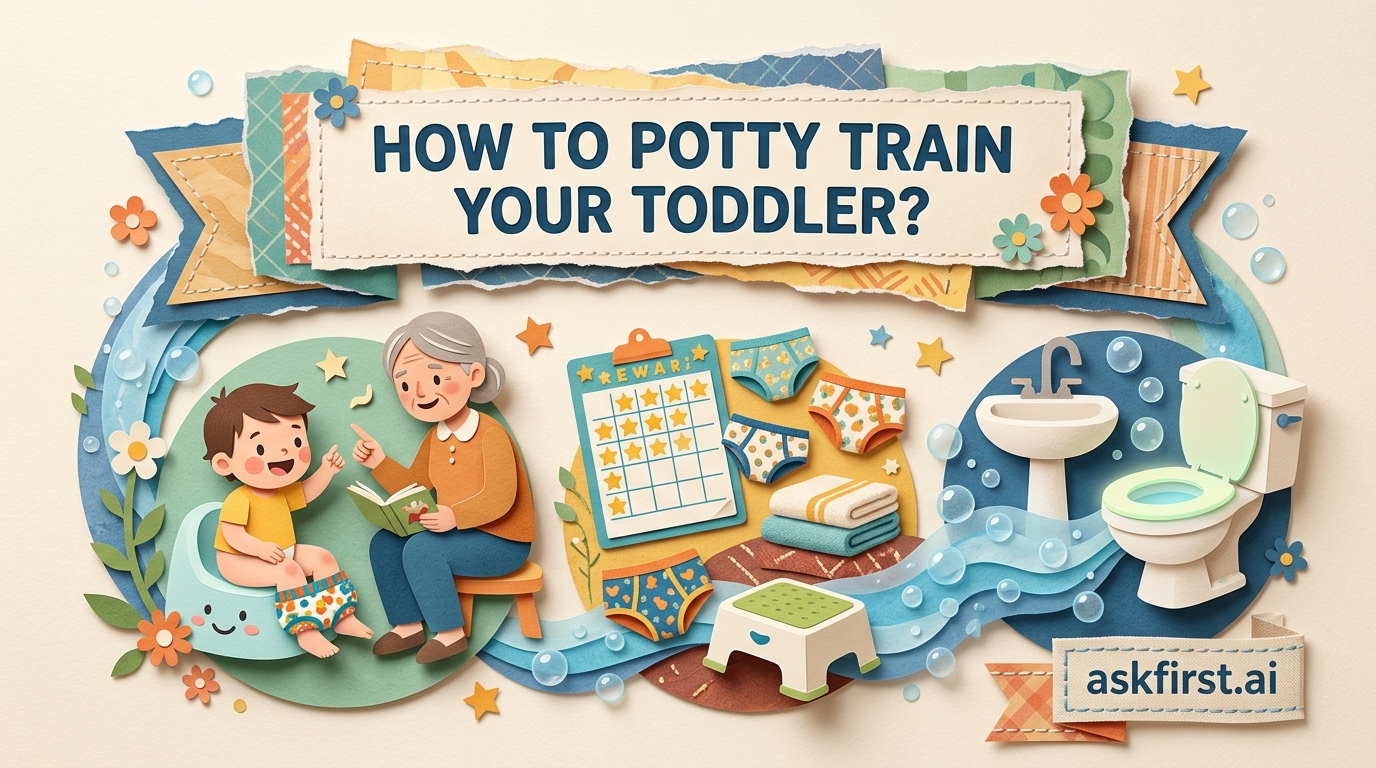
Introduce the potty chair in a neutral area, such as the living room. Let your child sit on it fully clothed to normalize the object. Read books or watch videos about potty training to demystify the process.
Phase II: The Active Training Period
Choose a "long weekend" where you can remain at home.
- Remove Diapers: Transition to training pants or loose-fitting underwear.
- Scheduled Intervals: Encourage the child to sit on the potty every 60–90 minutes, especially after meals or naps.
- Positive Reinforcement: Celebrate small successes with verbal praise or a sticker chart. Avoid punishment for accidents; they are a normal part of the learning curve.
- Modeling: Allow your child to observe you using the bathroom to understand the mechanics and hygiene requirements.
3. Best Practices and Troubleshooting
- Hygiene Habits: Teach proper wiping techniques (front to back for girls) and rigorous hand-washing immediately after every session.
- Nighttime Training: This is a separate physiological process. Many children master daytime control months or even years before nighttime dryness. Do not restrict fluids before bed excessively; simply use a waterproof mattress protector.
- Managing Accidents: When an accident occurs, remain calm. Say, "Oh, you had an accident. Let's clean it up and try again on the potty next time." Shame can cause anxiety and stool withholding.
4. Pros and Cons of Common Methods
- The "Child-Led" Method: Pros include lower stress and high child cooperation. Cons include a longer timeline.
- The "Three-Day Intensive" Method: Pros include rapid results. Cons include high pressure for both parent and child, potentially leading to power struggles.
5. Future Trends and Expert Insights
Modern pediatric advice emphasizes "Toilet Learning" over "Training." This shift focuses on empowering the child to recognize their body's signals rather than conditioning them through rewards. By fostering autonomy and maintaining a low-pressure environment, parents can ensure that this transition is a positive, confidence-building experience that marks the toddler's first major step toward self-reliance. Always consult your pediatrician if you notice signs of physical discomfort or persistent regression.