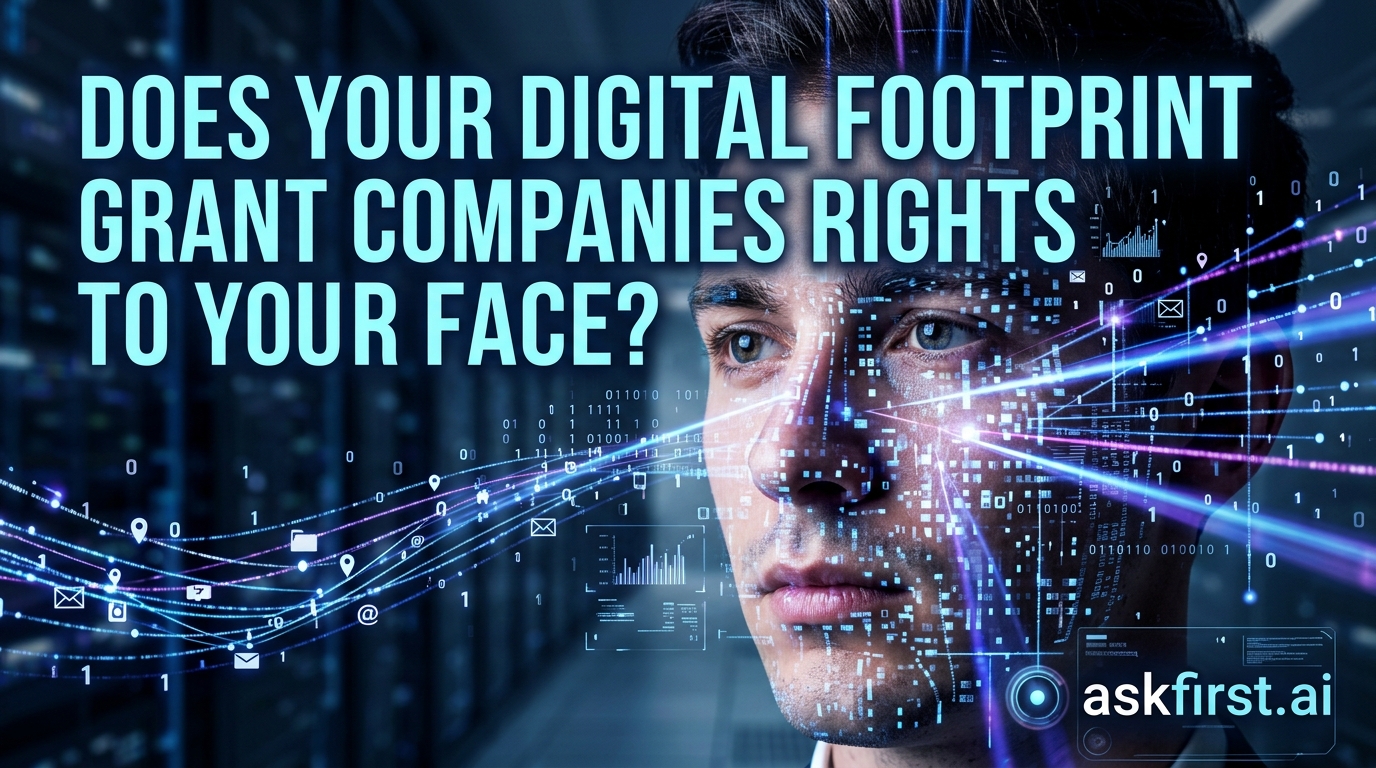
The Ownership of Biometric Identity
In the digital age, the concept of a 'digital footprint' has evolved from simple browsing histories to the collection of unique physiological traits. When users upload photographs to social media or engage with facial recognition software, they often unknowingly enter a complex legal and ethical landscape. The question of whether companies own rights to an individual's face hinges on the distinction between public presence and biometric property.
The Reality of Biometric Scraping
Many major technology companies have utilized publicly available images from the internet to train massive facial recognition algorithms. This process, often referred to as 'web scraping,' involves harvesting millions of portraits without explicit, individualized consent. While the raw image might be public, the mathematical representation of facial geometry—known as a 'faceprint'—is treated as private, proprietary data by the corporations that generate it. This creates a friction point where human likeness is commodified into a searchable index.
Legal Frameworks and Consent
Legal protections vary drastically across jurisdictions, leading to a fragmented global standard:
- The Illinois BIPA Model: The Biometric Information Privacy Act (BIPA) is a landmark regulation requiring entities to obtain informed, written consent before collecting or storing biometric identifiers. This law has successfully led to class-action lawsuits against companies that harvested facial data without permission.
- GDPR Protections: In Europe, the General Data Protection Regulation classifies biometric data as a 'special category' of personal information, imposing strict limitations on how it can be processed.
- The Lack of Uniformity: In many other regions, the law remains silent or underdeveloped, leaving individuals with few avenues to reclaim their likeness once it has been processed into a corporate database.
The Myth of Public Domain
A common misconception is that posting a photo on a public profile renders that image free for any corporate use. While platform terms of service often grant companies a license to host and distribute content within their ecosystem, this does not necessarily translate to a blanket right for third-party entities to use that face for commercial training models. However, because deep learning requires vast datasets, corporations often argue that their actions fall under 'fair use' or that the data is essentially non-private.
Looking Toward the Future
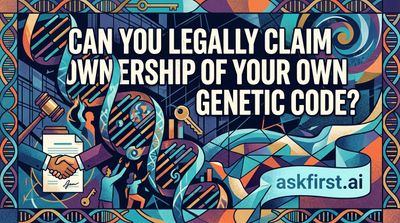
As facial recognition technology improves, the line between an image and an identity continues to blur. Future legal challenges will likely focus on whether an individual maintains an 'intellectual property right' over their own facial geometry. Until international laws standardize, individuals should treat their digital face as a sensitive biometric asset, being mindful of privacy settings and the long-term implications of sharing portraits online.