The Paradox of Impersonal Loyalty
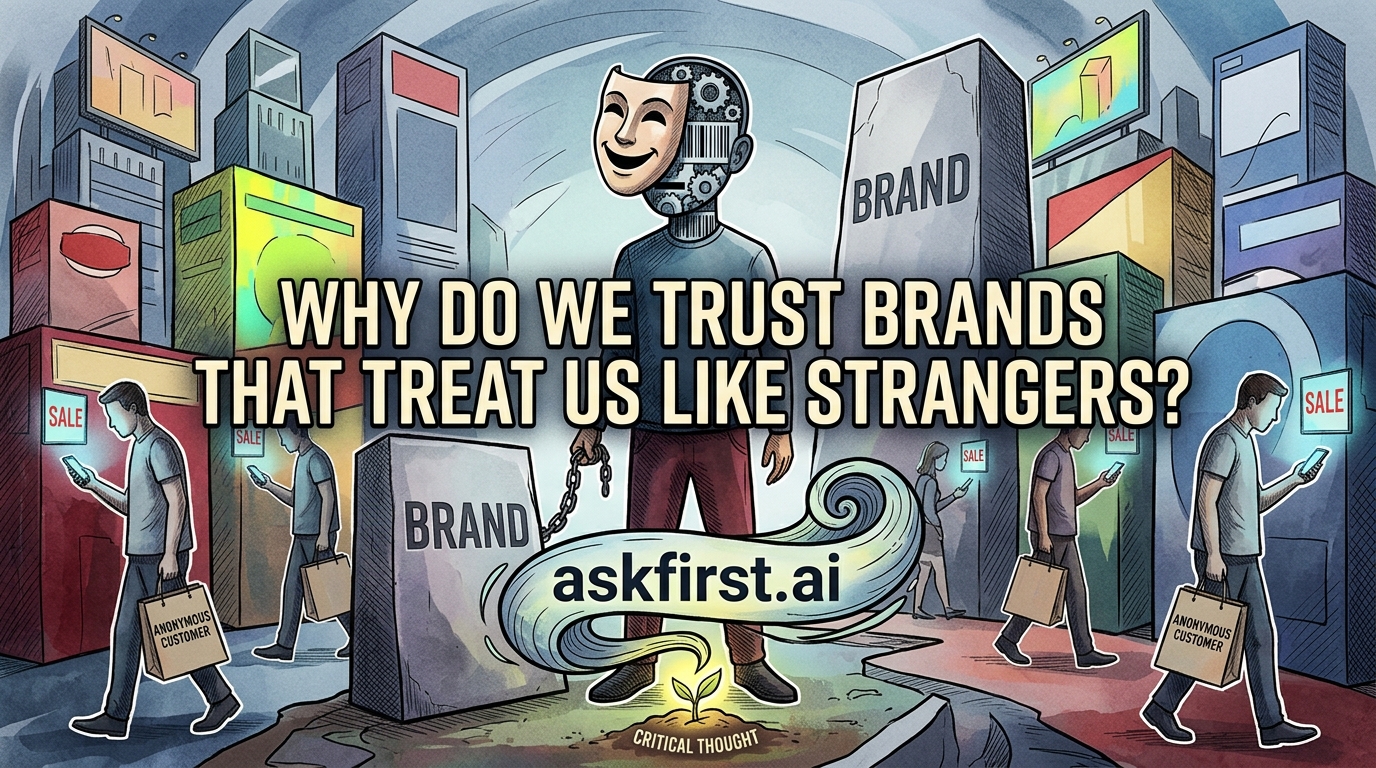
Human behavior often contradicts rational economic theory. We frequently demonstrate unwavering loyalty to global corporations that possess zero knowledge of our personal identities, histories, or individual needs. Despite the cold, transactional nature of these massive entities, trust is granted daily through credit card swipes and recurring subscriptions. This phenomenon rests on a complex intersection of psychology, evolutionary biology, and sophisticated branding architecture.
The Heuristic of Predictability
The primary reason for this misplaced trust is the human reliance on cognitive heuristics. Humans are hardwired to seek efficiency in decision-making. When a brand establishes a reputation for consistency, the brain categorizes that brand as a 'safe' entity. We do not need a personal relationship with a cashier or a CEO to predict the outcome of a transaction. If a global coffee chain has provided the exact same product in five different countries, the brain labels the brand as reliable. Predictability is often mistaken for care. By reducing the cognitive load required to make a purchase, brands trick our biological systems into equating mechanical consistency with personal benevolence.
The Illusion of Social Proof
Humans are inherently social creatures, relying on the 'wisdom of the crowd' to navigate unfamiliar environments. If a brand is ubiquitous, the subconscious mind assumes that collective trust has already been vetted by millions of others. This is the Bandwagon Effect. When we see thousands of people interacting with a faceless brand, we infer that the brand must be safe, legitimate, and worthy of our trust. The brand becomes a 'stranger' only in the sense that it does not know us, but it is a 'known' entity because it is visible everywhere. We trust what we recognize, and we recognize what the tribe recognizes.
Anthropomorphism and Brand Persona
Branding is essentially the art of anthropomorphism. Corporations invest billions to imbue inanimate products with human-like qualities. A brand that uses a friendly color palette, a consistent tone of voice, and a relatable mascot creates an emotional bridge. Even though the company does not know who the consumer is, the marketing materials are crafted to feel like a conversation. This 'parasocial relationship' allows the consumer to project personality onto the entity. We feel like we know the 'personality' of a brand, which satisfies the human urge for social connection, even if the connection is entirely one-sided.
The Safety of Institutional Power
There is a psychological comfort in scale. We assume that large, faceless corporations are too big to fail or act in blatantly illegal ways because they are under constant public and legal scrutiny. This Institutional Trust acts as a substitute for interpersonal trust. We trust the regulation, the reputation, and the systems behind the brand rather than the individuals running them. A stranger might cheat us, but we believe that a multinational corporation cannot afford the reputational damage of such a mistake.
How Brands Maintain This Dynamic
- Sensory Branding: Utilizing specific sounds, smells, or visual cues to trigger memory and create a sense of 'home' in any location.
- The Power of Framing: Using positive, life-affirming messaging that makes the brand feel like a contributor to our goals rather than just a vendor.
- Standardization: Removing ambiguity from the shopping experience so the consumer never feels caught off-guard.
- Ethical Signaling: Aligning with public values or sustainability efforts to project a 'moral compass' that transcends the profit motive.
The Evolutionary Mismatch
Ultimately, this trust is an evolutionary mismatch. Our brains evolved to trust those within our 'in-group'—people we could see, touch, and talk to. In the modern era, brands have learned to exploit this by simulating that in-group feeling at scale. We trust these 'strangers' because they have become the background noise of our lives. They are the constants in a world of variables. By treating us like strangers, they actually provide a strange form of safety: they treat us as a generic part of the human collective, allowing us to perform the mundane tasks of life without the messy demands of real human intimacy. We trust them precisely because they don't demand anything from us, other than our loyalty and our currency.