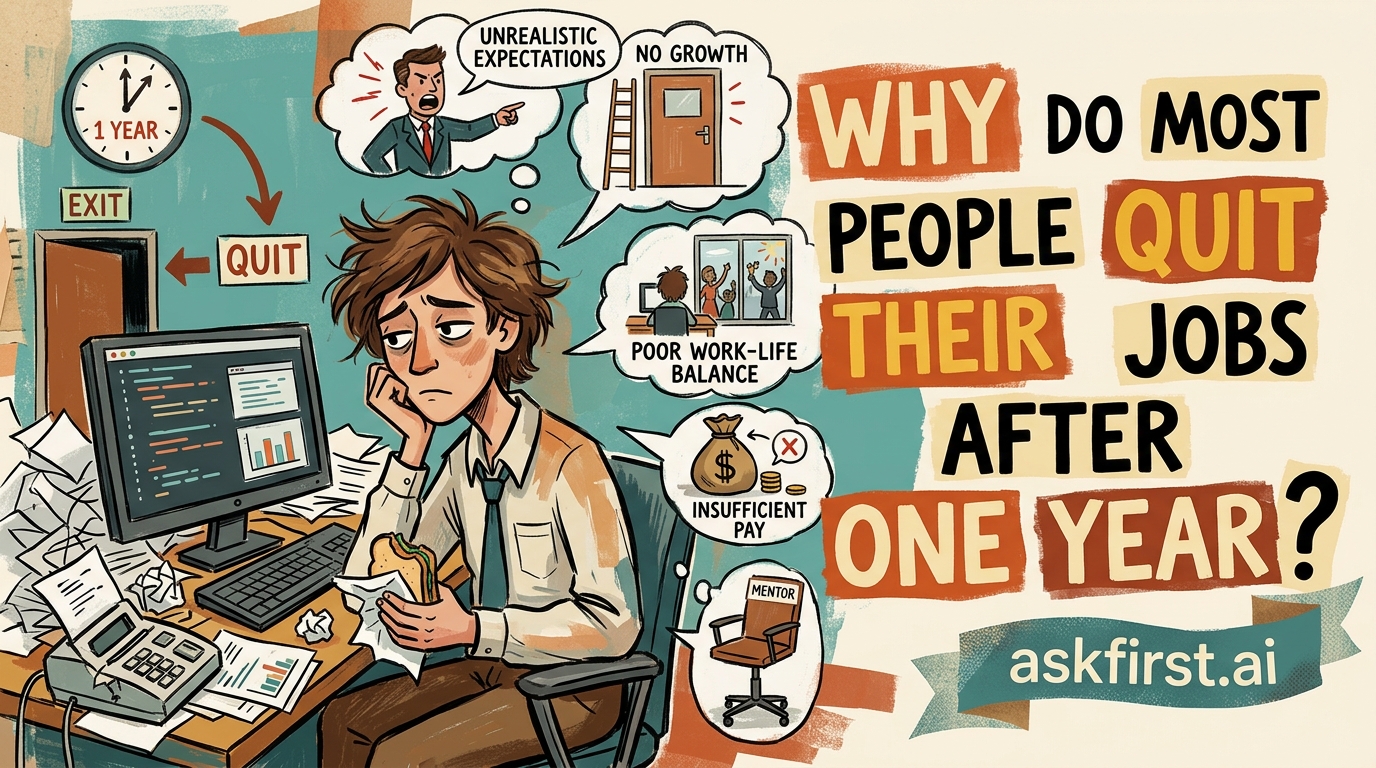
The One-Year Itch: Understanding Professional Attrition
Professional turnover is a phenomenon that transcends industries, geographies, and demographics. While organizational loyalty was once considered a hallmark of a successful career path, the contemporary landscape reveals a shift where the one-year mark often serves as a critical junction for employee retention. Understanding why individuals choose to exit an organization within their first twelve months requires a deep dive into psychological, structural, and cultural factors.
The Reality Gap and Expectation Management
One of the primary drivers of early resignation is the discrepancy between the 'employer brand' and the 'employee experience.' During the recruitment phase, candidates are often presented with an idealized vision of the company culture, growth opportunities, and day-to-day responsibilities. When the actual job duties fail to align with these promises, a psychological disconnect occurs. This phenomenon, known as the Reality Gap, forces employees to re-evaluate their investment in the role. If the daily tasks feel repetitive or lack the challenge promised during interviews, the enthusiasm generated during onboarding quickly wanes, leading to disengagement.
The Role of Onboarding and Integration
Effective onboarding is not merely about administrative setup; it is about cultural assimilation. Organizations that lack structured, comprehensive onboarding programs often leave new hires feeling isolated. Social integration—the process of forming bonds with colleagues and feeling a sense of belonging within a team—is essential. When employees fail to establish a support network, their commitment to the organization weakens. The lack of mentorship or unclear performance expectations during the first 365 days often exacerbates feelings of confusion, prompting employees to seek environments where their integration is prioritized.
The Velocity of Professional Growth
In an era defined by rapid technological advancement and skill-building, professionals are increasingly focused on their Career Velocity. If a position does not offer a clear trajectory for skill acquisition or promotion within the first year, employees often conclude that they have hit a developmental plateau. Many workers perceive time spent in a static role as 'lost opportunity cost.' They believe that by staying longer without tangible growth, they might fall behind in their industry, prompting a search for external opportunities that promise faster upward mobility or exposure to new tools and methodologies.
Management Dynamics and Leadership Quality
Research consistently shows that individuals rarely quit companies; they quit managers. The quality of the direct supervisor is the single most important variable in employee satisfaction. If a manager fails to provide clear feedback, exhibits poor communication skills, or creates a micro-management environment, the result is a rapid decline in job satisfaction. A supportive, autonomy-granting manager acts as a buffer against workplace stress. Conversely, a disconnect with leadership makes even the most attractive compensation package appear insufficient, as the daily frustration becomes unsustainable.
The Search for Meaning and Value Alignment
Modern professionals, particularly those entering the workforce, prioritize value alignment over traditional incentives like job security alone. If the organizational mission fails to resonate with the employee's personal ethics, or if the internal culture is toxic, the intellectual and emotional energy required to sustain productivity becomes too high a price to pay. Humans possess an innate desire to contribute to something larger than themselves. When a role fails to provide this sense of purpose, turnover becomes the natural outcome of a quest for a better alignment between personal values and professional output.
Mitigating Turnover: A Strategic Approach
Organizations can address this trend by focusing on three core pillars:
- Transparency in Recruitment: Ensuring that the realities of the role are communicated clearly to set realistic expectations.
- Investing in Mentorship: Pairing new hires with seasoned mentors to foster community and accelerate learning.
- Clear Development Pathways: Creating tangible milestones that show the employee how their role contributes to their long-term career goals.
Conclusion
The departure of employees after a year is not merely a sign of 'job-hopping' culture but often a rational response to gaps in expectations, support, and growth. By acknowledging these psychological drivers, organizations can transform their retention strategies. Cultivating an environment where employees feel challenged, valued, and aligned with the organizational mission remains the most robust strategy for navigating the challenges of talent retention in an evolving marketplace.