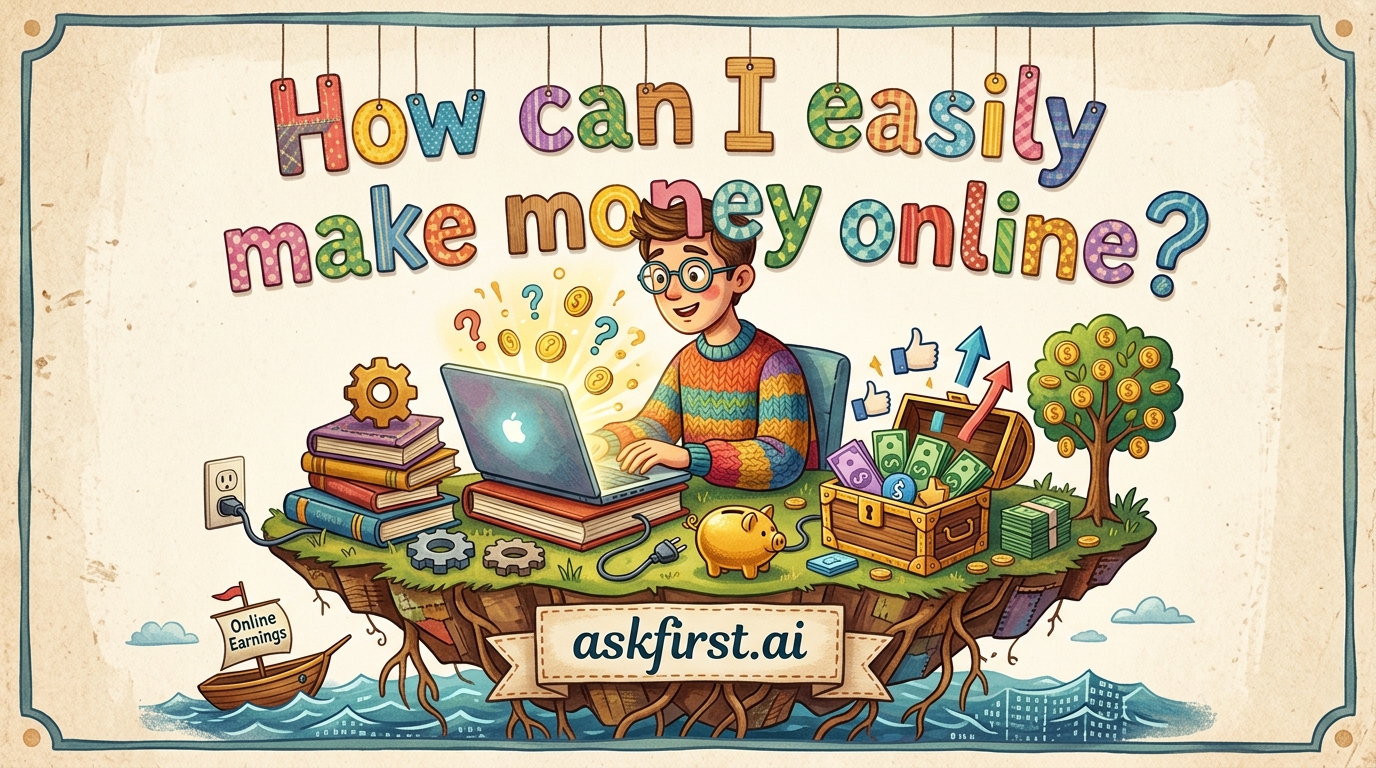
Navigating the Digital Economy: Strategies for Sustainable Online Income
The digital landscape has fundamentally altered the paradigm of labor, transitioning from the traditional 9-to-5 office model to a decentralized, global marketplace. While the internet is rife with "get-rich-quick" schemes, building a sustainable income online requires a disciplined approach, the acquisition of high-value skills, and a commitment to long-term value creation. Whether you are looking to supplement your primary income or pivot toward a full-time digital career, the following pathways represent the most reliable methods for generating revenue in the current economic climate.
1. High-Ticket Freelancing and Skill Arbitrage
The most direct route to earning money online is by selling specialized services. The gig economy, popularized by platforms like Upwork and Fiverr, has matured into a professional ecosystem where businesses outsource critical tasks to subject matter experts.
- Identifying High-Demand Skills: According to Seth Godin in his seminal work Linchpin: Are You Indispensable?, the modern economy rewards those who can solve unique problems. Skills such as Python programming, UI/UX design, Copywriting, and Digital Marketing (specifically SEO and SEM) are consistently in high demand.
- The Strategy: Do not compete on price. Instead, build a portfolio that demonstrates your ability to generate ROI for clients. For example, rather than advertising yourself as a "writer," market yourself as a "conversion-focused landing page strategist." By positioning your services as an investment for your client, you can charge significantly higher rates.
- Concrete Example: A freelance developer might start by building simple websites on Webflow. Once they master the tool, they can specialize in building complex e-commerce integrations for local businesses, charging $2,000–$5,000 per project rather than hourly wages.
2. The Creator Economy and Content Monetization
We are currently living in an era where "audience is the new currency." Content creation is no longer just a hobby; it is a scalable business model. Whether through YouTube, Substack, or podcasting, creators can monetize their expertise through multiple streams.
- Niche Authority: In The 4-Hour Workweek, Tim Ferriss emphasizes the importance of identifying a "muse"—a business that operates with minimal oversight. By creating educational or entertaining content, you build an audience that trusts your recommendations.
- Monetization Vectors:
- Affiliate Marketing: Recommending products you use and earning a commission. Pat Flynn, author of Superfans, suggests that the key is authenticity; only promote products that genuinely solve a problem for your audience.
- Digital Products: Creating e-books, online courses, or templates. A course on Teachable or Kajabi allows you to sell your knowledge repeatedly without additional labor costs.
- Sponsorships: Once you reach a certain threshold of influence, brands will pay to reach your audience.
3. E-commerce and Direct-to-Consumer (DTC) Sales
E-commerce has evolved beyond simple drop-shipping. Today, success is found in brand building and private labeling.
- The Power of Platforms: Utilizing Shopify allows you to build a standalone brand, while the Amazon FBA (Fulfillment by Amazon) program allows you to leverage the world’s largest logistics network.
- The Strategy: Focus on "micro-niches." Instead of trying to sell general electronics, identify a gap in a specific hobbyist market—such as ergonomic accessories for remote workers or specialized gear for hobbyist photographers.
- Expert Insight: In the book Building a StoryBrand by Donald Miller, the core principle is that the customer should be the hero of the story, not the brand. If your e-commerce site clearly communicates how your product solves a specific pain point, your conversion rates will naturally increase.
4. Remote Professional Services and Consulting
If you possess corporate experience, you can transition into remote consulting. Many startups and small-to-medium enterprises (SMEs) lack the budget for full-time executive staff but are willing to pay for expert advice.
- Fractional Roles: You can work as a "Fractional CFO," "Fractional CMO," or "Fractional CTO." By working 5–10 hours a week for multiple clients, you can often earn more than a single full-time salary while diversifying your income risk.
- Networking: Use LinkedIn to position yourself as a thought leader. Share case studies, industry analysis, and solutions to common problems faced by your target demographic. Consistency in publishing professional content will eventually lead to inbound inquiries.
Conclusion: The Path to Mastery
Making money online is not about finding a "secret" method; it is about providing value to the global marketplace. Whether you choose to freelance, create content, or sell products, the common denominator is consistency and iteration. As you embark on this journey, remember the advice found in James Clear’s Atomic Habits: focus on the system rather than the goal. By dedicating just one hour a day to building your digital presence or sharpening your professional skills, you will eventually create an asset that provides both financial security and professional autonomy. The barrier to entry has never been lower, but the requirement for excellence has never been higher. Treat your online endeavors with the same level of seriousness as a brick-and-mortar business, and the results will follow.