Leveraging WhatsApp as a Powerhouse for Small Business Growth
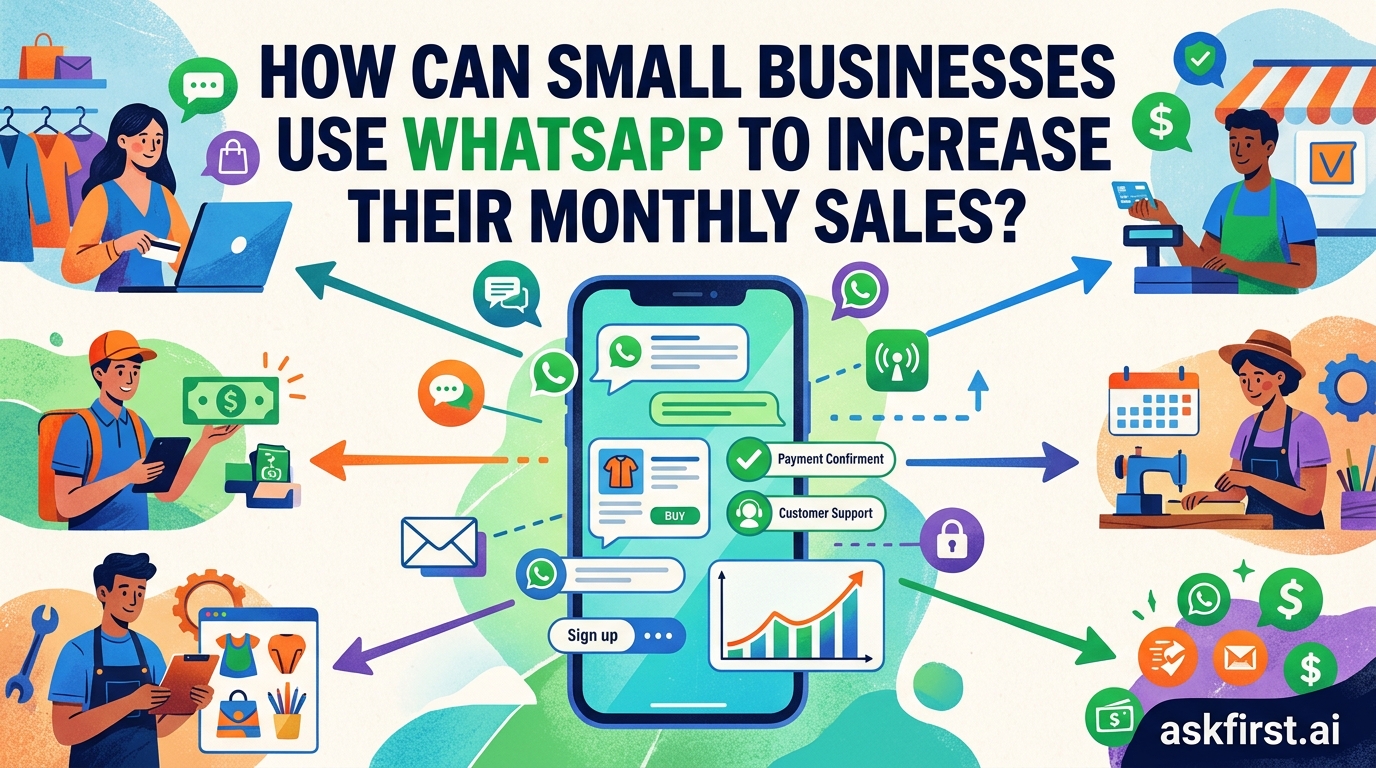
In the rapidly evolving landscape of digital commerce, small businesses are often overwhelmed by the complexity of enterprise-level CRM software. However, the most effective tool for driving monthly sales is likely already installed on the smartphones of your customers. WhatsApp, with over two billion active users globally, has transitioned from a simple messaging app into a sophisticated ecosystem for customer relationship management, direct marketing, and transactional commerce. For a small business, mastering this platform is no longer optional; it is a strategic imperative for sustainable revenue growth.
The Architecture of a WhatsApp Sales Funnel
To convert casual chatters into loyal, paying customers, you must treat WhatsApp as a structured sales channel rather than just a support tool. According to “The Conversational Commerce Handbook” by Bryan Kramer and Julie Bacchini, businesses that integrate conversational interfaces into their sales cycle see a 30-40% increase in conversion rates compared to traditional email marketing.
1. Optimize Your WhatsApp Business Profile
Your profile is your digital storefront. Ensure your business hours, physical address, product catalog, and website link are meticulously updated. Use the "Catalog" feature to showcase your top-selling products with high-quality images, descriptions, and pricing. This allows customers to browse your inventory without leaving the app, significantly reducing the friction in the buyer's journey.
2. Implementing Lead Magnets and Entry Points
You cannot sell to an empty room. You must drive traffic to your WhatsApp Business number. Place "Click-to-Chat" links on your website, Instagram bio, and even your physical signage using QR codes. Offer an immediate incentive—such as a 10% discount code or a "VIP access" notification—to encourage customers to initiate the first conversation. Once they message you, they are effectively "opted-in" to your marketing ecosystem.
Segmented Communication and Broadcast Strategy
One of the most common pitfalls for small businesses is treating all contacts the same. Mass broadcasting irrelevant content is the fastest way to get blocked. Instead, utilize "Labels" in the WhatsApp Business app to categorize your customers based on their purchase history, interests, or location.
Strategic Segmentation:
- The "Window Shoppers": Customers who have inquired about prices but haven't purchased. Send them educational content or "social proof" (customer testimonials) to build trust.
- The "Loyalists": Customers who have purchased twice or more. These individuals should receive early access to new collections or exclusive loyalty rewards.
- The "Inactive": Customers who haven't engaged in over 60 days. Use a "We miss you" campaign with a time-sensitive, low-barrier offer to re-activate them.
In “Hooked: How to Build Habit-Forming Products” by Nir Eyal, the concept of the "Variable Reward" is central to user retention. Apply this to your WhatsApp strategy by occasionally sending unexpected, high-value content—such as a "how-to" video related to your product—rather than just constant sales pitches.
The Power of Status Updates and Direct Engagement
WhatsApp Status is an underutilized goldmine. Similar to Instagram Stories, these updates disappear after 24 hours, creating a sense of urgency (FOMO). Small business owners should post 3-5 times a day: behind-the-scenes footage of packaging orders, real-time stock updates, and "flash sale" announcements.
When a customer replies to a Status, it opens a direct, private conversation. This is your "Golden Window." According to expert sales trainer Jeb Blount in his book “Fanatical Prospecting,” the speed of response is inversely proportional to the likelihood of losing a lead. Responding within five minutes of a customer inquiry on WhatsApp can increase your conversion rate by as much as 80%.
Automating Without Losing the "Human Touch"
While automation is necessary for scale, it must be handled with nuance. Use the "Quick Replies" feature to store answers to your most frequently asked questions (FAQs). If a customer asks, "What is your return policy?" or "How do I make a payment?", a pre-set shortcut saves you time while providing an instant, professional response.
However, avoid over-automating with chatbots that sound like robots. Customers choose WhatsApp specifically for the personal, conversational nature of the platform. Always sign off with your name or the name of your business representative to maintain that human connection.
Conclusion: Sustaining Long-Term Growth
Increasing monthly sales via WhatsApp is not about spamming your contact list; it is about building a community of advocates. By viewing every interaction as a touchpoint in a long-term relationship rather than a single transaction, you foster the trust necessary for recurring revenue.
Start by auditing your current profile, categorizing your existing contacts, and committing to a consistent, value-driven posting schedule on your WhatsApp Status. As noted in the foundational principles of “Influence: The Psychology of Persuasion” by Robert Cialdini, people are more likely to buy from those they know, like, and trust. By leveraging the intimacy of the WhatsApp interface, small businesses can cultivate that trust at scale, turning their smartphone into the most profitable asset in their business.