The Psychology of Prestige: Why We Trust Expensive Brands
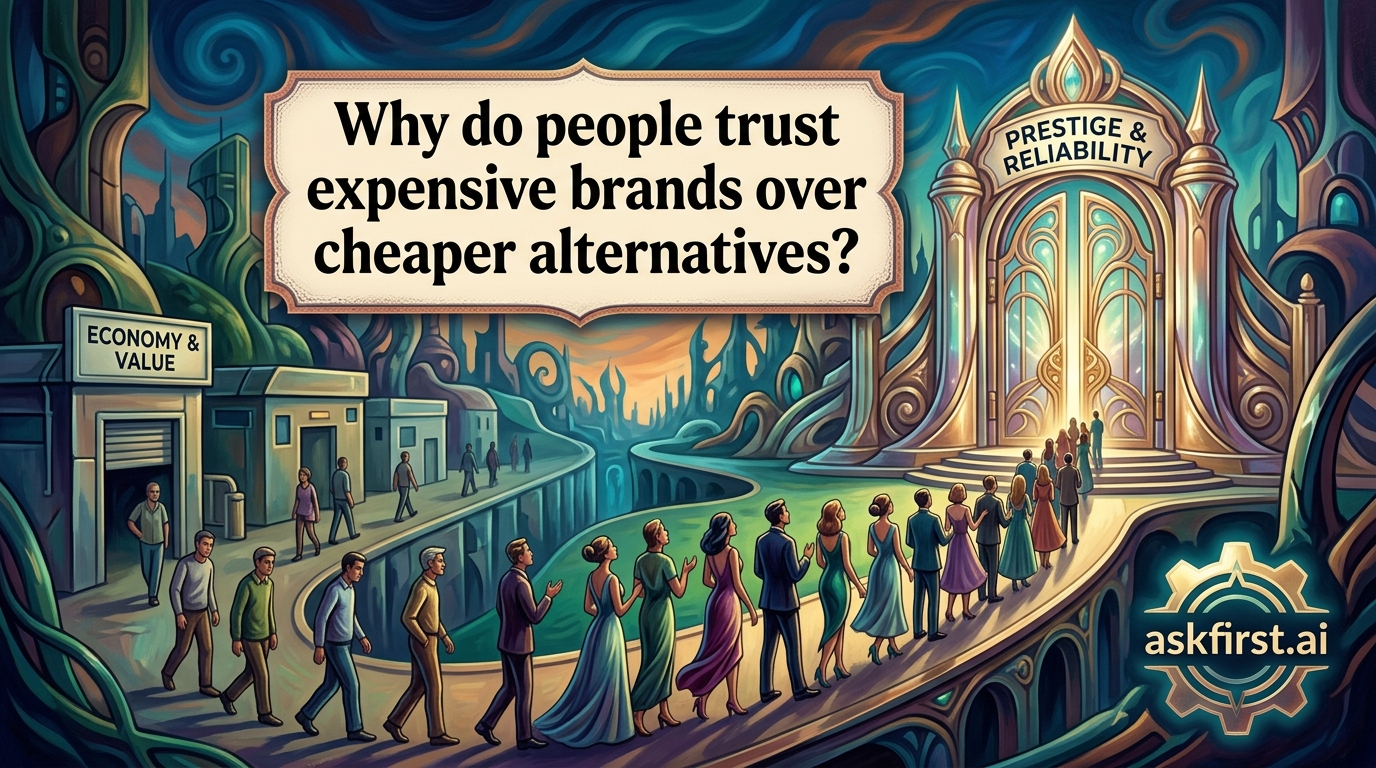
The tendency for consumers to favor expensive brands over cheaper alternatives is a complex phenomenon rooted in evolutionary biology, psychological heuristics, and sophisticated marketing strategies. This behavior, often termed the "price-quality heuristic," suggests that individuals subconsciously equate higher prices with superior craftsmanship, safety, and social status.
The Psychological Foundations of Brand Trust
1. The Price-Quality Heuristic
At its core, the human brain utilizes cognitive shortcuts to simplify decision-making. When faced with an overwhelming array of choices, consumers often use price as a proxy for quality. The underlying logic is simple: if a company can charge a premium, they must have invested more in research, materials, and quality control. This perception creates a "halo effect," where the positive attribute of price spills over into the perceived performance of the product.
2. Social Signaling and Conspicuous Consumption
Thorstein Veblen, an influential economist, coined the term "conspicuous consumption" to describe how people purchase expensive goods to signal their socioeconomic status. By owning a luxury brand, an individual signals to their peer group that they possess the resources to afford non-essential, high-cost items. This social signaling reinforces trust, as these brands are seen as "vetted" by other high-status individuals.
Marketing Strategies That Build Trust
Expensive brands invest heavily in brand equity, which is the value derived from consumer perception rather than the product itself.
- Scarcity and Exclusivity: By limiting supply, luxury brands maintain high prices and create a sense of urgency. This exclusivity fosters an "in-group" mentality, where the brand becomes a badge of belonging.
- Aesthetic and Sensory Branding: Premium brands prioritize high-end packaging, minimalist store designs, and superior customer service. These sensory cues prime the brain to expect a higher-quality experience, which often creates a self-fulfilling prophecy known as the placebo effect of branding. Studies have shown that people who believe they are drinking an expensive wine actually experience higher levels of brain activity in pleasure-processing areas compared to those told the wine is cheap.
Pros and Cons of Premium Purchasing
The Pros
- Risk Mitigation: For high-stakes purchases (e.g., medical equipment, luxury vehicles), the perceived risk of a "cheap" alternative failing is often deemed too high.
- Resale Value: Luxury goods, such as watches or designer handbags, often retain value better than mass-market items.
- Emotional Satisfaction: The psychological "reward" of owning a premium item can provide genuine, albeit subjective, utility.
The Cons
- The "Luxury Tax": Consumers often pay a significant markup for brand name alone, with production costs representing only a fraction of the retail price.
- Diminishing Returns: Once a certain threshold of quality is met, the incremental improvements in performance do not always justify the exponential increase in price.
Future Trends
As Gen Z and Alpha move into the primary consumer demographic, the definition of "trust" is evolving. Transparency and sustainability are becoming as critical as price. The future of brand trust lies in authentic value, where consumers demand proof of ethical sourcing alongside the premium price tag. While the allure of status remains, the modern consumer is increasingly capable of "brand-hacking," using digital tools to verify if a high price truly reflects high quality or merely high marketing spend.