The Evolutionary Bias: Decoding the Negativity Effect
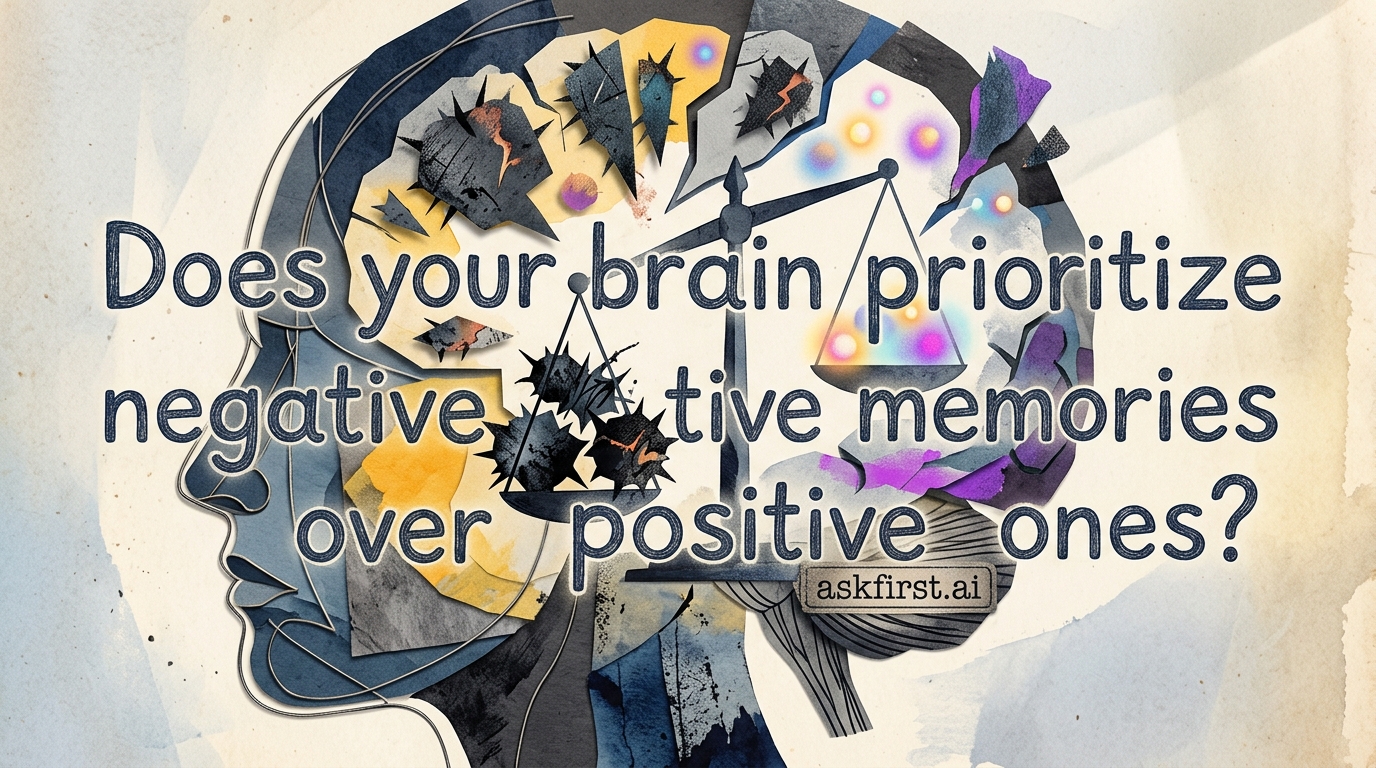
Human cognitive architecture is inherently skewed toward the processing of threatening or adverse information. This phenomenon, widely known in psychological research as the negativity bias, dictates that humans tend to 'attend to, learn from, and use negative information far more than positive information.' This is not a personal failure or a flaw in character, but rather a sophisticated survival mechanism forged through millions of years of evolutionary pressure. In environments where resources were scarce and physical danger was a constant reality, noticing a potential predator or a toxic plant was far more critical to survival than enjoying the beauty of a sunset or the taste of a ripe berry.
Why The Brain Keeps Score Differently
The brain functions as a prediction engine, constantly scanning the environment for inconsistencies or dangers. When an adverse event occurs, the amygdala—the brain's emotional processing center—triggers a rapid response that prioritizes this data for long-term storage in the hippocampus. Because negative experiences are often linked to survival, the brain stamps these memories with a higher degree of emotional intensity, making them easier to recall later. This ensures that the individual remembers exactly what caused pain or fear, thereby avoiding the same mistake in the future.
- Hyper-vigilance: The tendency to fixate on criticism over praise.
- Decision Making: The tendency to focus more on potential losses than potential gains.
- Memory Retention: The ability to recount a single bad day with vivid clarity compared to the blur of ten pleasant ones.
The Impact of Neuroplasticity and Habituation
While the brain is wired to prioritize the negative, it is also plastic. Neuroplasticity allows for the recalibration of these responses. Through intentional cognitive reframing, individuals can 'train' their brains to spend more time encoding positive states. One common myth is that we are permanently trapped by these evolutionary biases; however, consistent mental practices can alter how the brain allocates its resources. By deliberately directing attention to positive experiences—a practice often cited in positive psychology as 'savoring'—one can physically strengthen the neural pathways associated with positive affect, eventually balancing the scales.
Structural Differences in Processing
Research indicates that negative and positive stimuli travel through different neural pathways. Negative stimuli often command attention almost immediately, activating the brain’s arousal systems. Conversely, positive stimuli often require a longer duration of focused attention to be fully encoded into long-term memory. This is why a single harsh word from a colleague can linger for hours, while a sincere compliment might feel fleeting. The 'stickiness' of negative memories is a direct result of this differential processing speed and intensity.
Practical Strategies to Balance the Bias
To mitigate the inherent negativity bias, experts suggest several evidence-based techniques that shift the brain's focus:
The Ratio Principle: Research suggests that to counteract the weight of one negative experience, the brain benefits from the experience of at least three to five positive moments. This is known as the 'Losada ratio' or similar variations in interpersonal dynamics.
Gratitude Journaling: By writing down three specific positive events daily, the brain is forced to scan the day for positive markers, essentially hacking the attention system to value positive data points.
Cognitive Reframing: When a negative thought arises, intentionally asking, 'What is one useful takeaway from this?' helps pivot the brain from emotional rumination to objective learning, effectively turning a purely negative memory into a more neutral, informative one.
The Future Perspective: Conscious Evolution
Understanding the biology of memory does not mean we are victims of our own architecture. It simply means that we have a 'default setting' that requires manual override. By becoming conscious of how the brain treats negative information, individuals can stop taking these mental patterns at face value. The realization that one's internal landscape is skewed toward the negative is, in itself, the first step toward building a more balanced and resilient cognitive outlook. The goal is not to eliminate negative memory—which serves a protective purpose—but to ensure that it does not overshadow the depth and richness of positive experiences that contribute to long-term psychological well-being.