The Evolutionary Architecture of Heroism
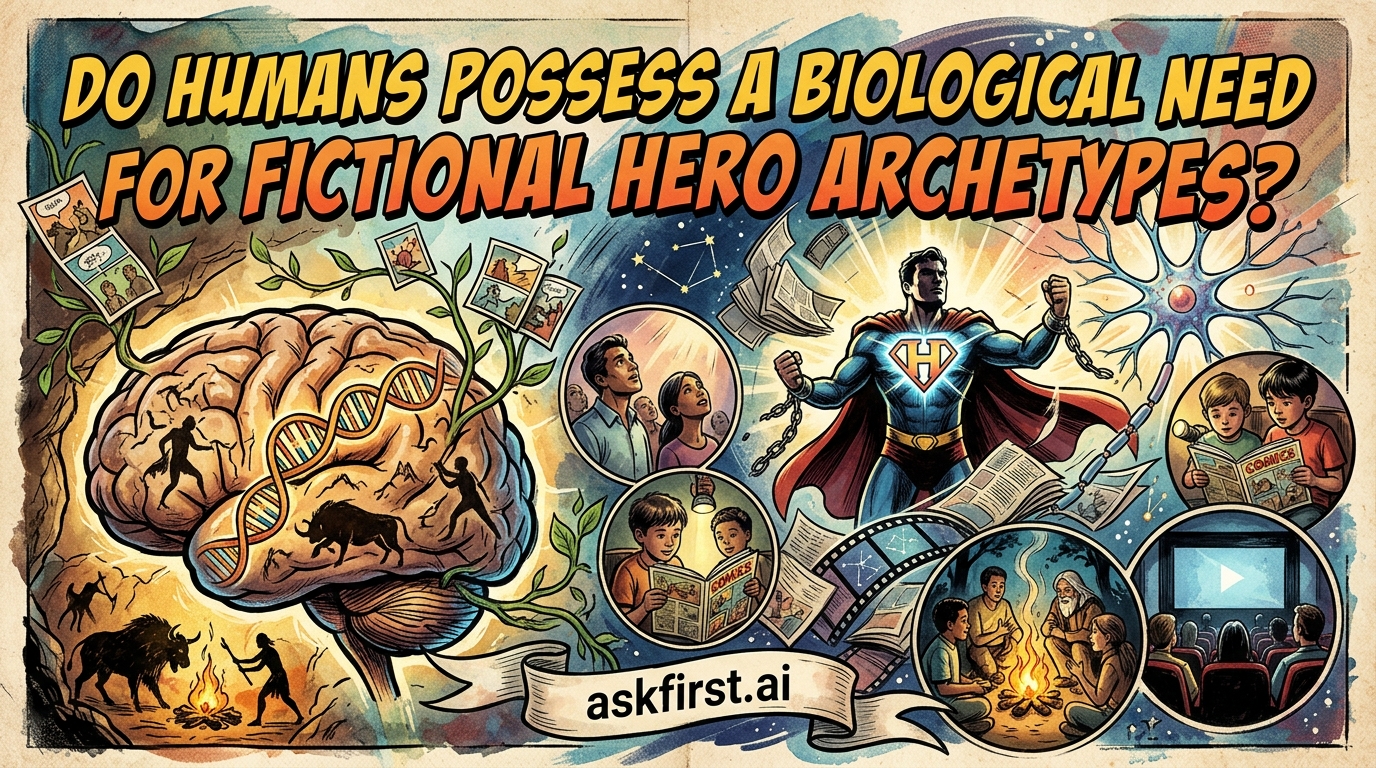
Humanity does not merely enjoy storytelling; it is biologically wired for it. The fascination with the hero archetype is not a cultural accident but a sophisticated cognitive adaptation that has persisted across millennia. Evolutionary psychology suggests that our brains are structured to recognize, internalize, and mirror patterns that contribute to survival, social cohesion, and the navigation of complex hierarchies. The hero archetype functions as a pedagogical tool, a cognitive map that allows individuals to simulate high-stakes survival scenarios without incurring actual physical risk.
The Neurobiology of Narrative Resonance
Research indicates that when individuals engage with a compelling narrative about a hero, the brain releases neurotransmitters such as oxytocin, dopamine, and cortisol. Oxytocin, often called the 'bonding hormone,' facilitates empathy, allowing the observer to 'step into the shoes' of the protagonist. This process, known as narrative transport, reduces self-awareness and increases emotional investment in the character's journey. Dopamine, associated with anticipation and reward, reinforces the neural pathways linked to learning from these stories. The brain, effectively, treats the fictional hero's journey as a rehearsal for the observer's own life challenges. This biological feedback loop ensures that the information embedded in the archetype is prioritized for memory retention.
Archetypes as Cognitive Shortcuts
Psychologist Carl Jung identified archetypes as universal, archaic patterns and images that derive from the collective unconscious. These figures—such as the Warrior, the Sage, or the Innocent—act as cognitive shortcuts. In an environment of overwhelming sensory input, the human brain seeks efficient ways to categorize social dynamics and personal virtues. By observing the hero archetype, humans gain access to a 'moral algorithm.' This algorithm provides a roadmap for conflict resolution, emotional regulation, and ethical decision-making.
- Simulation Theory: Much like flight simulators prepare pilots for crises, hero archetypes prepare the human psyche for the 'social flight' of real-world interaction.
- Moral Anchoring: Archetypes provide stable benchmarks for justice, courage, and perseverance, preventing societal fragmentation by aligning individuals under a shared set of values.
The Social Function of Heroism
Beyond the individual brain, the hero archetype serves a critical purpose in maintaining tribal and societal cohesion. Stories of heroes serve as social glue. By celebrating characters who embody specific cultural virtues, a group reinforces the behaviors it deems most beneficial for survival.
- Internalizing Group Identity: Heroes often represent the aspirational self of the culture. When we identify with a hero, we are effectively stating, 'This is who we are and who we value.'
- Mitigating Fear: The hero archetype addresses the existential anxiety inherent in the human condition. By watching a character conquer monsters, overcome betrayal, or face death, the observer experiences a cathartic reduction in personal fear regarding similar abstract threats.
Why Archetypes Endure Across Millennia
Critics often argue that modern media saturation might erode the effectiveness of traditional archetypes. However, evidence points to the opposite: these patterns are robust precisely because they are tied to universal biological milestones—developmental stages that every human encounters, from the journey of the adolescent seeking autonomy to the elder guiding the next generation.
Whether represented as a classical mythological demigod or a contemporary science-fiction pilot, the core components of the hero remain static: the call to adventure, the struggle with the shadow, and the eventual return with the 'elixir' of wisdom. This consistency suggests that our brain’s preference for these templates is not merely a preference, but a deep-seated, biological inclination toward structured order.
Conclusion: The Future of Heroic Cognition
Humans possess a biological drive to seek out hero archetypes because these stories provide an essential framework for cognitive and social maturity. While the aesthetic details of our heroes shift with the era, the structural foundation—the need for a guide through the chaos—remains constant. As we move further into the digital age, the mediums change, but the psychological machinery remains tethered to the same narrative structures that fascinated our ancestors by the fire. The hero is not just a character; it is a manifestation of the human drive to transcend limitations and reach for potential, making the archetype as biologically relevant in the modern era as it was at the dawn of human civilization.