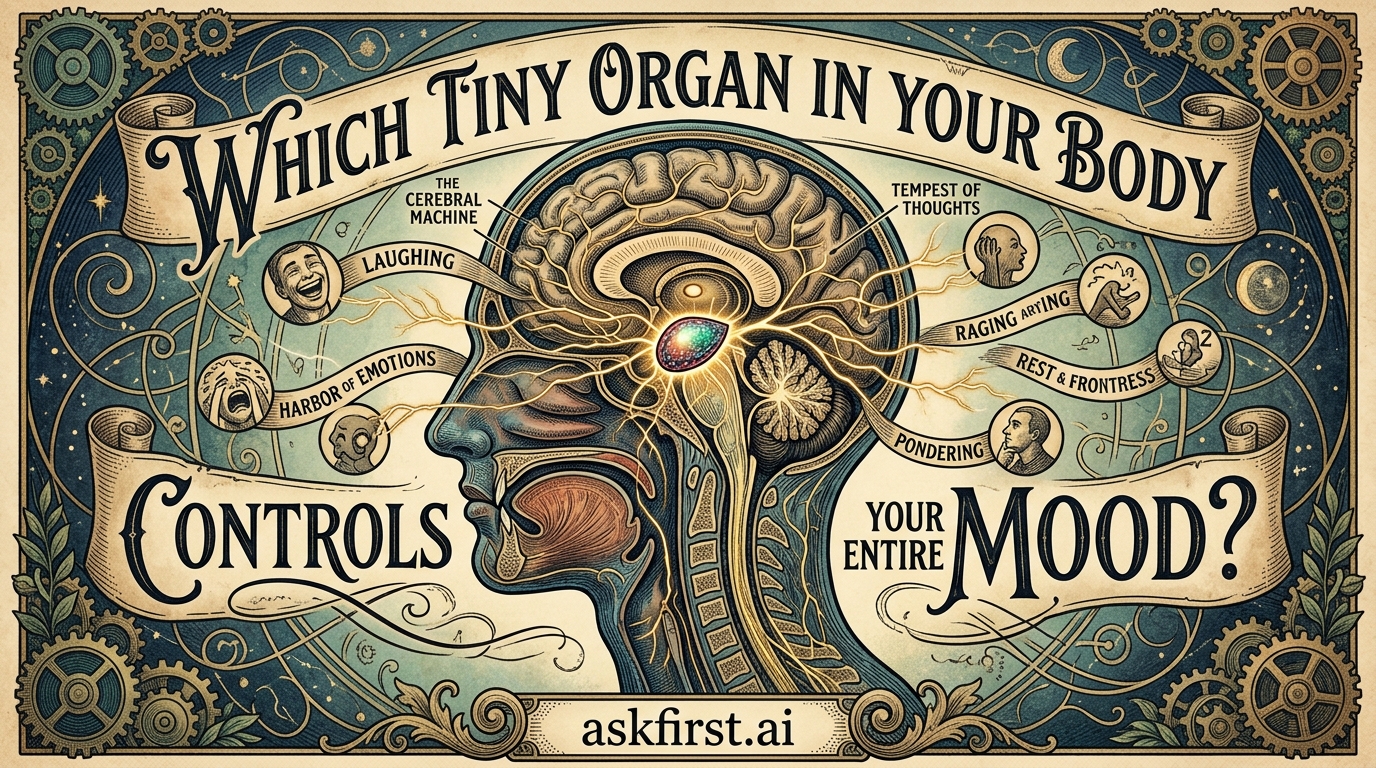
The Power of the Amygdala: The Emotional Anchor
While the human brain is a vast and complex network of electrical signals and chemical pathways, one specific, almond-shaped cluster of nuclei stands out as the primary gatekeeper of human emotion: the amygdala. Located deep within the temporal lobe, this tiny organ—roughly the size of an almond—acts as the command center for emotional processing, memory formation, and the fight-or-flight response. Despite its small stature, its influence over daily mood and temperament is profound, functioning as the ultimate mediator between environmental stimuli and behavioral response.
The Anatomy of Feeling
The amygdala is a core component of the limbic system, a group of structures in the brain that deal with emotions and memory. It works in constant tandem with the prefrontal cortex (the logic center) and the hippocampus (the memory center). When the senses detect a potential threat or a source of pleasure, the amygdala performs a lightning-fast 'threat assessment.' If the input is perceived as significant, the amygdala signals the hypothalamus, initiating a cascade of hormones such as cortisol and adrenaline. This process determines whether one feels calm, anxious, excited, or fearful.
How the Amygdala Regulates Mood
- Emotional Significance: The amygdala assigns emotional weight to sensory experiences. This is why a specific scent might trigger a wave of nostalgia or why a sudden loud noise causes immediate alertness.
- Fear Conditioning: By associating specific environmental cues with past experiences, the amygdala helps individuals avoid harm. It is the seat of learned fear, which, when properly balanced, ensures survival.
- Social Cognition: Research indicates that the amygdala is essential for interpreting facial expressions. It allows individuals to read the moods of others, which is vital for maintaining social bonds and navigating interpersonal dynamics.
The Balancing Act: The Amygdala vs. The Cortex
It is a common misconception that the amygdala operates in isolation. In reality, healthy emotional regulation is the result of a 'checks and balances' system. The prefrontal cortex serves as the executive branch of the brain, capable of overriding the primitive, reactive impulses of the amygdala. When the prefrontal cortex is active, it can rationalize a situation, dampening the alarm signals sent by the amygdala. This is known as 'top-down' emotional regulation. When this link is weak, mood swings, heightened anxiety, or irritability may occur, as the emotional center functions without an 'off' switch.
Why This Matters for Your Daily Life
Understanding the amygdala is more than a neuroscience trivia point; it is a gateway to emotional intelligence. Because the amygdala is highly plastic, it can be 're-trained' through consistent practice. Techniques such as mindfulness meditation and cognitive behavioral therapy (CBT) have been shown to physically alter the connectivity between the amygdala and the prefrontal cortex. These practices essentially thicken the communication pathways, allowing the logical brain to maintain control more effectively, even under stress.
Myths and Modern Reality
Many assume that mood is purely a result of external circumstances or 'willpower.' In truth, mood is a neurobiological byproduct. By understanding that this almond-shaped organ is scanning the environment for patterns, one can learn to 're-frame' the input. When you feel a sudden surge of unease, recognizing that it is simply the amygdala performing its duty—rather than an accurate reflection of current reality—can lower cortisol levels and return the system to equilibrium.
Conclusion: Mastery of the Almond
In summary, the amygdala is the microscopic maestro behind the symphony of human moods. It turns cold data into warm feelings, translates memories into gut reactions, and ensures that the human species remains vigilant. While it is the origin point for many intense emotional states, it is not a dictator. Through intentional mental training, sleep hygiene, and physiological awareness, it is entirely possible to foster a partnership with this tiny organ, ensuring that while it provides the emotional 'color' for life, the prefrontal cortex maintains the brush, guiding the overall narrative with logic and grace.