The Fascinating Enteric Nervous System: Your Second Brain
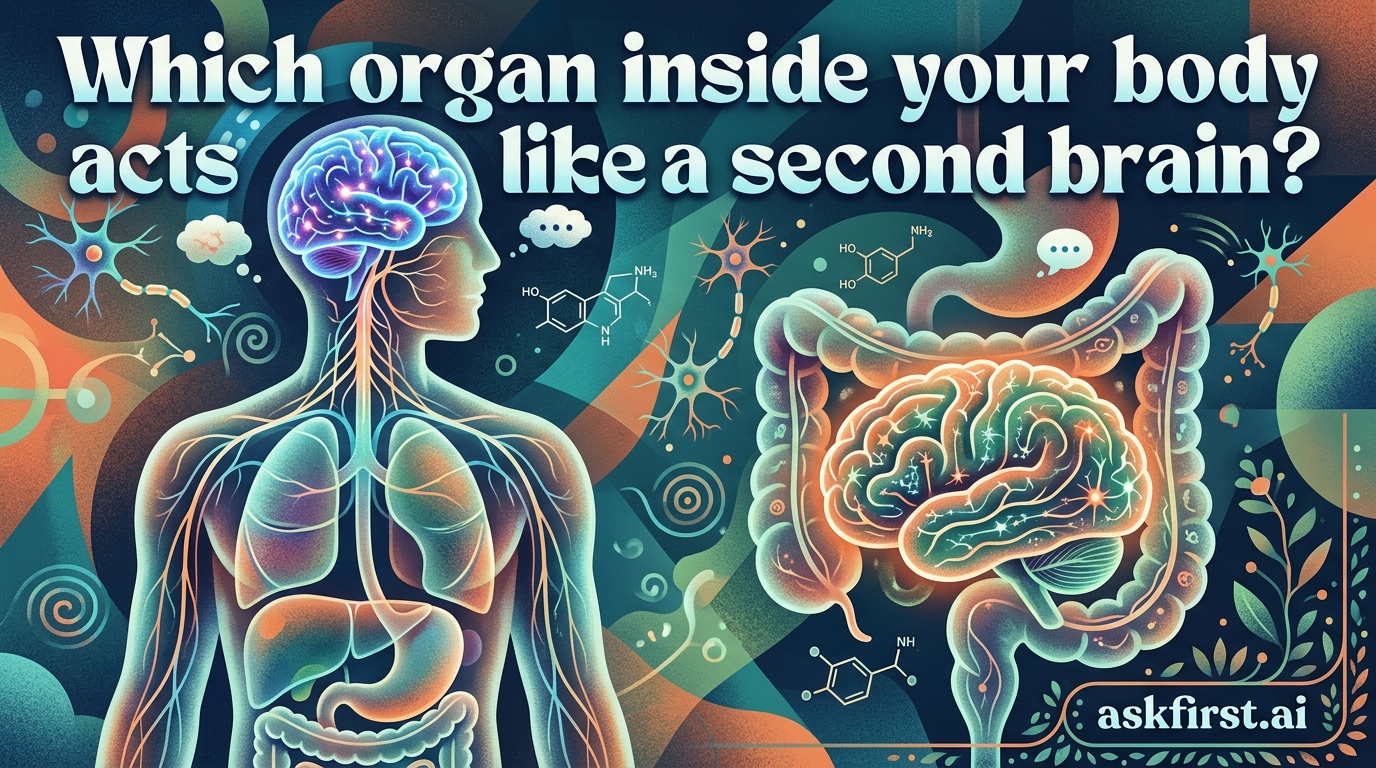
For decades, science maintained a strict hierarchy of biological control: the brain ruled the body, and the body followed. However, recent breakthroughs in neuro-gastroenterology have revealed a startling truth. The human gastrointestinal tract is home to a complex, independent, and highly intelligent neural network known as the Enteric Nervous System (ENS). Often referred to by researchers as the 'second brain,' this intricate web of over 100 million neurons lining the entire length of the gut is capable of operating autonomously, without direct input from the central nervous system.
What Exactly is the Enteric Nervous System?
The ENS is not merely a collection of nerves; it is a sophisticated system that functions independently to manage digestion, nutrient absorption, and waste elimination. It contains its own glial cells, neurotransmitters, and complex reflex arcs. While the brain in the skull (the Central Nervous System or CNS) does communicate with the gut via the Vagus Nerve, the 'second brain' is unique because it can perform sophisticated computational tasks on its own. This is why gut-related functions can continue even if the connection between the brain and the gut is severed.
The Chemistry of Mood: The Serotonin Connection
One of the most mind-blowing facts about this organ is its production of neurochemicals. It is widely estimated that approximately 90 to 95 percent of the body's serotonin—the primary neurotransmitter responsible for mood, sleep, and emotional regulation—is produced and stored in the gut. While the brain uses serotonin for psychological stability, the gut uses it to regulate peristalsis and intestinal sensation. This symbiotic relationship suggests that your 'gut feelings' are not just metaphors; they are literal physiological signals translated into emotional states.
The Gut-Brain Axis: A Two-Way Street
The communication channel between the two brains is known as the Gut-Brain Axis. It is a bidirectional highway where information travels both ways. Research suggests that the gut may actually influence mental health more significantly than once thought. For example, individuals with chronic gastrointestinal issues often report increased levels of anxiety and depression, not just as a result of the discomfort, but potentially due to the erratic signaling from the ENS back to the CNS. Conversely, extreme stress in the brain can immediately disrupt the rhythm of the gut, causing 'butterflies' or acute digestive distress.
Why Did Evolution Design Two Brains?
Evolutionarily, the ENS may actually be the first brain. Many primitive organisms do not have a central brain at all, but they do have an enteric system to manage life-sustaining processes. As life evolved, a second processing center was needed to manage complex social and sensory interactions. The ENS remains tasked with the essential, survival-oriented job of converting fuel into energy, keeping the core of our biological being functioning smoothly while the 'head brain' manages higher-level decision making.
Practical Implications for Modern Living
Understanding the power of the ENS changes the way humans approach health:
- Mindful Eating: Because the gut 'senses' food quality, chewing slowly allows the ENS to communicate satiety signals more effectively to the brain, preventing overeating.
- Microbiome Influence: The bacteria within the gut communicate with the ENS. A diverse diet rich in fiber feeds these bacteria, which in turn produce short-chain fatty acids that support both gut health and mental clarity.
- Stress Management: Techniques like deep breathing stimulate the Vagus Nerve, which acts as the physical bridge between the two brains, helping to soothe digestive turmoil.
Busting the Myth of the Single Command Center
It is time to discard the notion that the skull houses the only center of intelligence. The Enteric Nervous System proves that intelligence is decentralized. Your gut possesses the capability to learn, remember, and respond to environmental stimuli. It monitors for toxins, regulates immunity, and alerts the body to danger. By acknowledging the ENS as a legitimate second brain, we gain a deeper appreciation for the unity of the human body. Every meal you consume is an opportunity to communicate with a biological entity that is constantly working to sustain your life, influence your mood, and sharpen your intuition. Treat the 'second brain' with the same care and intellectual respect you offer your conscious mind, and your overall vitality will likely flourish.