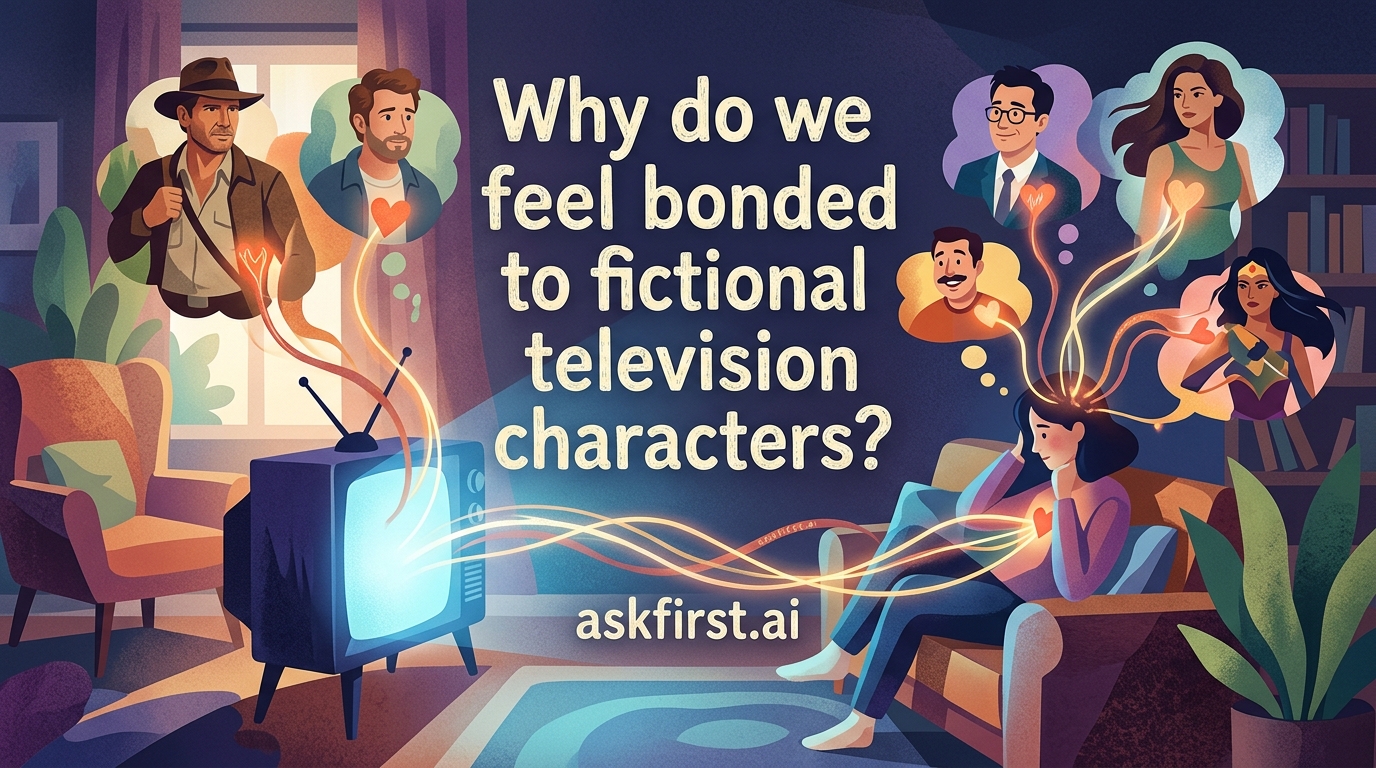
The Psychology of Parasocial Relationships
Humans possess an innate, evolved capacity for social connection that does not distinguish perfectly between real-life acquaintances and fictional personalities. This phenomenon is known in psychology as a parasocial relationship. Despite the absence of physical interaction, the brain processes the emotional arc of a character similarly to how it processes interactions with real peers. This deep-seated cognitive mechanism is rooted in the evolutionary need for tribal cohesion, which has been co-opted by modern media.
The Role of Mirror Neurons and Empathy
At the core of this bonding process is the function of mirror neurons. These specialized brain cells fire both when an individual performs an action and when they observe someone else performing that same action. When viewers watch a fictional character navigate a crisis, succeed in a challenge, or express vulnerability, their own neural pathways mimic these experiences. This empathetic simulation creates a visceral sense of companionship. Research by developmental psychologists suggests that as audiences spend countless hours observing these characters—often outnumbering time spent with physical friends—the brain begins to register them as stable, reliable presence points in one’s social reality.
Why This Bond Feels So Real: Key Drivers
The Illusion of Intimacy: Television and film offer a unique window into the private, innermost thoughts of characters. Unlike in real life, where social barriers prevent people from knowing everything about their acquaintances, fiction provides privileged access to a character's secrets, fears, and internal monologue. This creates an imbalance where the audience knows the character intimately, while the character remains oblivious, fostering a one-sided sense of deep connection.
Cognitive Consistency and Reliability: Real-world human relationships are messy, unpredictable, and often involve conflict. Fictional characters are static in their narratives. Their personality traits, motivations, and moral compasses are consistently delivered. This predictability offers a form of cognitive relief, allowing the viewer to build trust without the risk of betrayal or disappointment inherent in organic, human social dynamics.
Identity Mirroring and Projection: Viewers frequently use fictional characters as mirrors for their own developing identities. When a character overcomes an obstacle that the viewer is currently facing in their real life, the character becomes a surrogate mentor. This is often referred to as self-expansion theory, where individuals incorporate the characteristics and successes of these personas into their own self-concept to improve their psychological well-being.
The Evolution of Serialized Storytelling
Modern television, with its focus on serialized, multi-season arcs, has perfected the art of the slow-burn relationship. In the early days of episodic television, characters were static caricatures. Today, narratives span dozens or hundreds of hours, allowing for profound character development. By the time a season finale arrives, the viewer has essentially 'traveled' with the character through significant life changes. This longitudinal exposure causes the human brain to categorize these fictional personas alongside long-term friends, leading to genuine grief when a series ends or a character is written off.
Beneficial Impacts of Parasocial Bonds
Contrary to common myths suggesting that such bonds are purely signs of social isolation, studies indicate that these relationships can actually be quite healthy. For individuals navigating difficult life transitions, move to new cities, or struggling with loneliness, parasocial connections offer a social buffer. They provide a sense of belonging and community, help alleviate anxiety through the provision of comforting narratives, and can even bolster self-esteem. When a character displays resilience, the viewer often adopts that same resilience, demonstrating that these fictional bonds serve a tangible, practical purpose in psychological self-regulation.
Conclusion: The Everlasting Power of Narrative
Ultimately, the bond between humans and fictional characters is a testament to the power of the human imagination. Our brains are hardwired for story; we are essentially a species that 'thinks' in narrative structures. Because fiction acts as a safe space for emotional expression and identity testing, we do not just watch these characters—we live through them. As technology evolves and stories become more immersive, the depth of these parasocial bonds is only likely to strengthen, further blurring the line between the artificial worlds we create and the reality we occupy. The feeling is not 'fake' in a neural sense; it is a genuine manifestation of our capacity to care, empathize, and find meaning within the stories we love.