The Biological Blueprint of Attraction
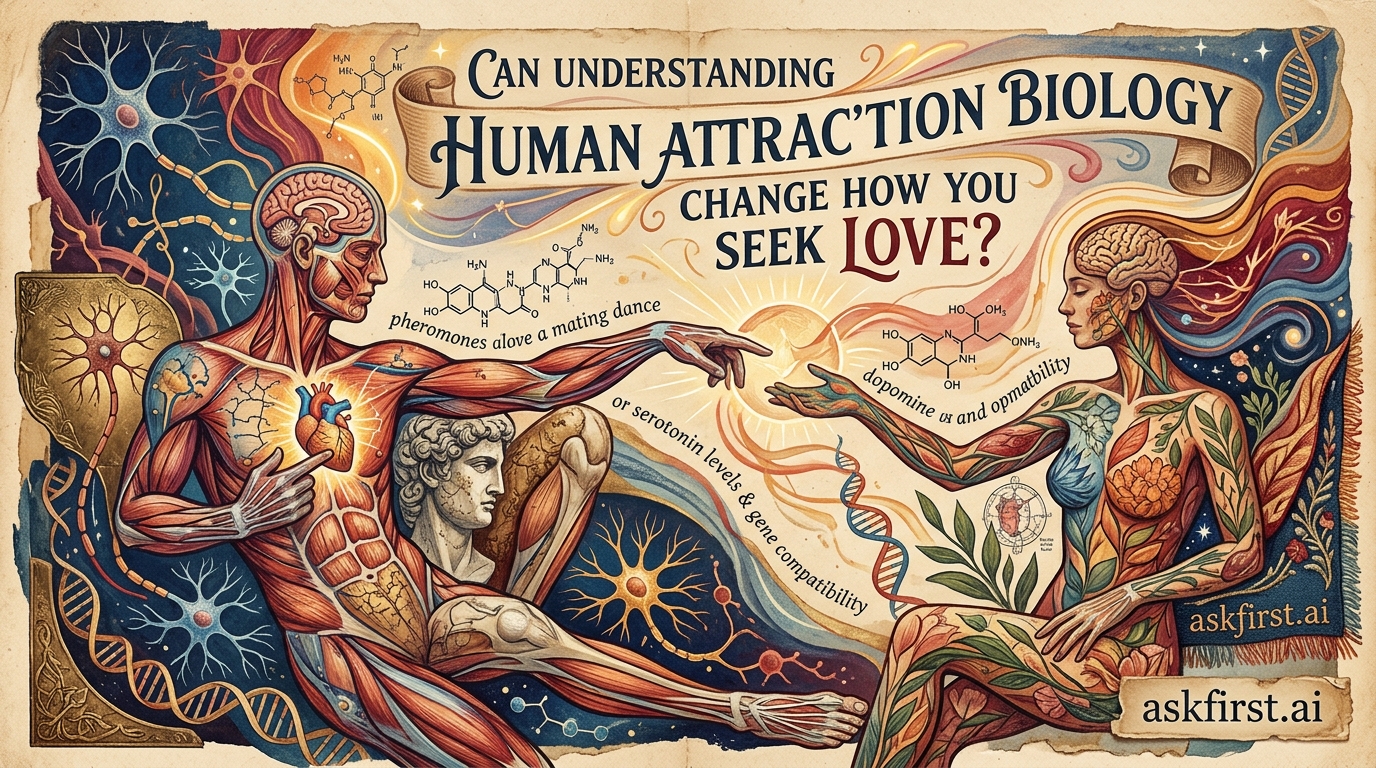
Human attraction is far from a mysterious, random occurrence. It is a sophisticated, evolutionarily honed process rooted in neurobiology, endocrinology, and genetics. By understanding the biological mechanics of attraction, individuals can pivot from being passive participants in their love lives to becoming active, informed navigators of their romantic experiences. This knowledge shifts the paradigm of 'searching for love' from a game of chance to an understanding of self-alignment and partner compatibility.
The Neurochemical Landscape
At the core of initial attraction lies the dopaminergic reward system. When an individual encounters someone who fits their subconscious 'template' of a compatible mate, the brain releases dopamine—a neurotransmitter associated with pleasure, focus, and motivation. This is often confused with 'love at first sight.' However, biology tells us this is actually a signal-processing event. Understanding that this intense feeling is a neurochemical spike rather than an inherent guarantee of long-term compatibility allows individuals to avoid the 'infatuation trap.'
- The Dopamine Loop: Recognizing that dopamine clouds critical judgment helps in pacing new relationships. One can consciously slow down, allowing the prefrontal cortex to catch up with the emotional limbic system.
- Oxytocin and Attachment: While dopamine drives the chase, oxytocin drives the bond. Knowing that physical touch and shared experiences trigger this 'bonding hormone' provides a roadmap for deepening long-term connection intentionally rather than waiting for it to happen by accident.
Genetic Compatibility and MHC Molecules
One of the most fascinating aspects of attraction is the role of the Major Histocompatibility Complex (MHC). Research, famously exemplified by the 'sweaty t-shirt study' by Claus Wedekind, suggests that humans are biologically predisposed to be attracted to the scent of individuals whose MHC genes differ from their own. This suggests that attraction is, in part, an evolutionary mechanism to ensure healthy offspring with robust immune systems.
- The Myth of 'The One': Biology suggests we are designed to be attracted to a variety of people within a specific range of genetic complementarity. This understanding dismantles the pressure to find a single soulmate, broadening the horizon of who might make a suitable partner.
- The Modern Filter: In a digital dating world, we lack olfactory cues. Acknowledging this limitation explains why online attraction often fails to translate into real-world chemistry, urging seekers to prioritize meeting in person early to trigger these critical biological sensors.
Strategic Shifts in Dating Behaviors
Applying these biological insights fundamentally changes the methodology of seeking love. Instead of relying on traditional social narratives or the performative nature of social media, one begins to value traits that promote long-term stability.
- Prioritize Similarity in Values, Not Just Aesthetics: While physical attractiveness is an initial biological hook, long-term success is anchored in shared life goals. Biological studies on pair-bonding show that cortical synchronization—the tendency of brains to 'fire together'—occurs most effectively when partners share values.
- Managing the Stress Response: High cortisol levels in a relationship act as a barrier to pair-bonding. Understanding that stress kills romantic potential encourages seekers to look for partners who provide a sense of 'secure base,' a concept from attachment theory that aligns perfectly with keeping cortisol levels low and oxytocin levels high.
- Active Observation over Passive Reaction: Rather than reacting to feelings, the biologically informed seeker observes their own reactions. Does this person stimulate a healthy dopamine response, or is this an 'addictive' cycle characterized by anxiety and emotional highs and lows? The latter is often a sign of trauma-based attachment rather than biological compatibility.
Beyond the Biology: The Synthesis
Understanding human attraction biology does not remove the magic from love; it enhances it. It turns attraction into a language. Just as one learns the rules of music to become a better musician, learning the biological 'rules' of attraction allows individuals to compose a more sustainable and fulfilling romantic life.
It is important to remember that human biology is not destiny. We have a powerful prefrontal cortex capable of overriding instinctual drives. When we combine our biological imperatives with intellectual decision-making, we gain the ability to choose partners who genuinely support our growth. By focusing on biological cues like emotional resonance, physical comfort, and intellectual challenge, individuals stop searching for love based on superficial metrics and start building connections based on the fundamental hardware of the human experience. Ultimately, the quest for love becomes a process of self-knowledge, where understanding our own biological triggers allows us to find not just a partner, but a catalyst for a more vibrant, healthy life.