The Neurological Engine of Sugar Cravings
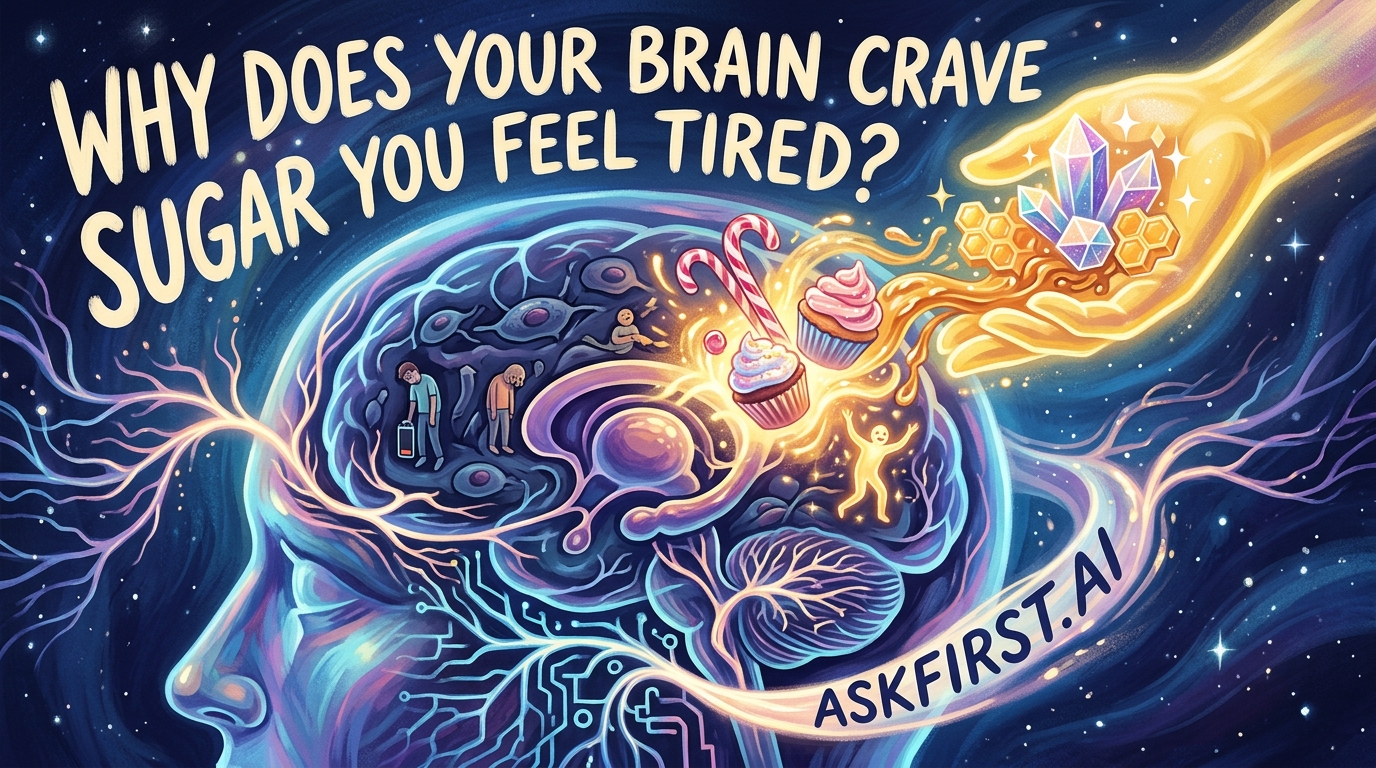
When the human body experiences fatigue, the brain undergoes a complex series of chemical signals that prioritize immediate energy replenishment. The primary fuel source for the brain is glucose, a simple sugar that serves as the foundation for cognitive function, neurotransmitter synthesis, and cellular maintenance. When energy levels drop due to sleep deprivation, stress, or prolonged mental exertion, the brain perceives this state as a threat to its operational capacity. Consequently, it triggers intense cravings for sugar—a rapid-access energy source—to rectify the perceived deficit.
The Role of Dopamine and Reward Systems
At the center of this mechanism is the brain's reward system, which is governed largely by the neurotransmitter dopamine. Consuming sugar prompts the release of dopamine in the nucleus accumbens, an area of the brain associated with motivation and reinforcement. Evolutionarily, this response ensured that early humans would seek out calorie-dense foods to survive periods of famine. In the modern world, this ancient survival mechanism misfires. When an individual feels tired, the brain recognizes that it needs fuel, and because sugar provides an almost instantaneous spike in blood glucose, the brain demands it with heightened intensity. This is a form of 'self-medication' for exhaustion.
The Glycogen Depletion Myth
Contrary to popular belief, tiredness is not always synonymous with a literal, total depletion of glycogen stores in the brain. Instead, the brain experiences 'perceived fatigue.' When neural activity is high for long periods, the accumulation of adenosine—a byproduct of cellular metabolism—increases in the brain. This buildup induces feelings of sleepiness. The brain, seeking to counteract this slowdown, identifies sugar as a quick solution to bypass these adenosine-induced signals, despite sugar providing only a temporary physiological improvement followed by an inevitable crash.
The Blood Sugar Rollercoaster
When a tired individual succumbs to sugar cravings, they ingest simple carbohydrates that are rapidly absorbed into the bloodstream. This causes a sharp spike in blood glucose levels, leading to a massive insulin release from the pancreas. This process is often followed by a rapid drop in blood sugar—often called a 'sugar crash.' This cycle contributes to a chronic state of fatigue, as the body becomes trapped in a loop of needing energy, consuming sugar, and then suffering the physiological consequences of the ensuing insulin response.
Psychological and Environmental Triggers
Beyond basic physiology, emotional states play a significant role. Cortisol, the hormone released during stress, has been shown to increase the preference for high-sugar and high-fat foods. When one is tired, stress levels are often naturally elevated. This creates a synergistic effect: tiredness induces a need for energy, while the accompanying cortisol surge pushes the brain to crave calorie-dense comfort foods. Furthermore, environmental conditioning—associating work breaks with sweets or using dessert as a reward for surviving a long day—further reinforces these cravings, making them as much psychological as they are physiological.
Strategies to Mitigate Fatigue-Driven Cravings
Understanding the neurological basis for sugar cravings allows for more effective management of these impulses. Experts recommend several evidence-based strategies:
- Prioritize Complex Carbohydrates: Unlike simple sugars, complex carbohydrates provide a slow, steady release of glucose into the bloodstream, preventing the sharp insulin spikes that lead to subsequent crashes.
- Hydration: Dehydration is frequently mistaken by the brain as fatigue or hunger. Increasing water intake can often stabilize energy levels without the need for calories.
- Prioritize Sleep Hygiene: By reducing the baseline level of physical and mental exhaustion, the brain's baseline demand for emergency sugar supplies is significantly lowered.
- Protein and Healthy Fats: Including high-quality protein and healthy fats in meals keeps the body satiated for longer periods, reducing the hormonal fluctuations that trigger mid-day sugar searches.
- Mindfulness Practices: Recognizing the 'crave' as a biological signal of exhaustion rather than a genuine hunger state can help an individual choose restorative activities, such as taking a short walk or practicing deep breathing, which can provide a non-caloric energy boost.
Conclusion
The craving for sugar during periods of fatigue is not a reflection of a lack of willpower, but rather a sophisticated, albeit sometimes maladaptive, response by the brain to ensure its continued function. By identifying the triggers—such as stress, sleep deficit, and poor dietary spacing—and replacing the sugar-fix with long-term energy stabilizers, individuals can regain control over their metabolism and maintain consistent cognitive performance throughout the day.