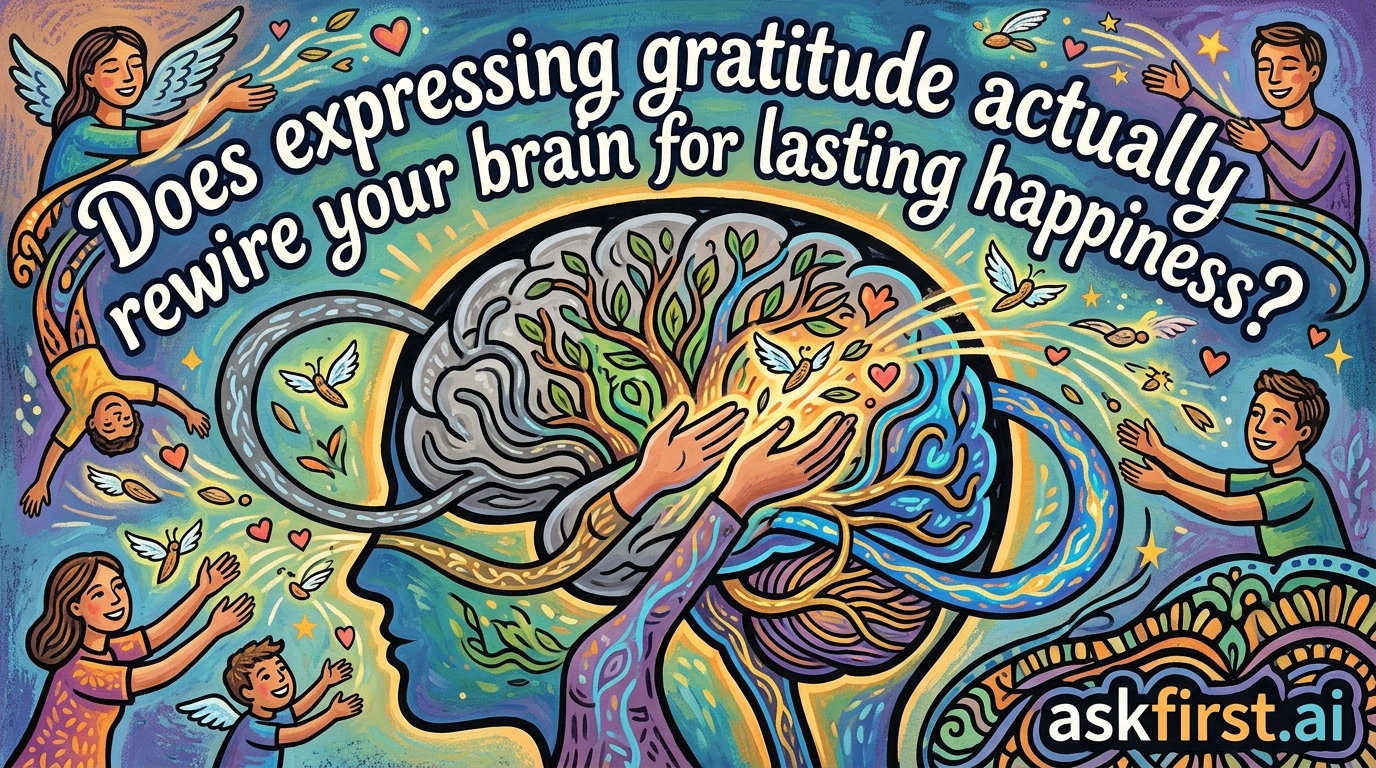
The Neurobiology of Gratitude: A Scientific Perspective
Recent advancements in neuroscience have shifted the focus of psychology from merely addressing human dysfunction to understanding the mechanisms of flourishing. At the center of this paradigm shift is the practice of gratitude. Scientific evidence suggests that gratitude is not merely a social construct or a fleeting emotion, but a profound catalyst for structural and functional changes in the human brain. This process is frequently referred to as neuroplasticity—the brain’s inherent ability to reorganize its neural pathways in response to consistent habits and environmental inputs.
The Dopamine and Serotonin Connection
When an individual consciously acknowledges the positive aspects of their life, the brain releases neurotransmitters that dictate mood and outlook. Specifically, the practice of gratitude triggers the production of dopamine, the neurotransmitter associated with reward and motivation. By regularly focusing on the positive, the brain begins to form stronger neural pathways toward recognizing good experiences, effectively creating a feedback loop that rewards the individual for their focus on appreciation. Simultaneously, gratitude practice encourages the release of serotonin, a mood-stabilizing neurotransmitter often targeted by antidepressants. This neurochemical orchestration helps to regulate mood, reduce anxiety, and foster a sense of internal peace.
The Role of the Hypothalamus and Limbic System
The hypothalamus is the master regulator of the body, controlling essential functions such as sleep, eating, metabolism, and stress management. Studies have shown that sustained gratitude practice can lower cortisol levels—the stress hormone—within the hypothalamic region. By dampening the 'fight or flight' response, the brain becomes less reactive to stressors, which contributes to long-term emotional resilience. Furthermore, the anterior cingulate cortex, a region of the brain involved in emotional regulation and empathy, shows increased activity in individuals who regularly express gratitude. This suggests that the practice does not only benefit the self but also enhances the ability to connect with others, reinforcing healthy social bonds.
Rewiring the Brain: The Plasticity Factor
Neural pathways are analogous to hiking trails in a dense forest; the more a specific trail is used, the wider and more accessible it becomes. When negative thinking patterns are habitually replaced with gratitude, the brain literally reconfigures its topography. A landmark study published in the journal NeuroImage utilized fMRI scans to examine participants who performed daily gratitude journaling. Researchers discovered that even after the practice stopped, the brain continued to exhibit enhanced sensitivity in the medial prefrontal cortex. This implies that gratitude training may have long-lasting effects that persist beyond the immediate moment of reflection, cementing an optimistic baseline for the individual.
Busting the Myth: It Is Not Just 'Positive Thinking'
Critics often conflate gratitude with 'toxic positivity,' or the denial of genuine struggle. However, true gratitude is the objective recognition of positive elements amidst the complexity of existence. It is not about ignoring life's challenges but about training the brain to expand its field of vision to include the 'positives' alongside the 'difficult.' This is a critical distinction because it prevents the brain from being hijacked by the 'negativity bias'—a survival mechanism that historically caused humans to focus disproportionately on potential threats. By balancing the survival-based focus with intentional gratitude, the brain operates more efficiently.
Practical Implementation for Lasting Change
To achieve the long-term rewiring described, the practice must be consistent and intentional rather than sporadic. Here are three evidence-based methods for maximizing the impact:
- Structured Journaling: Writing down three specific things one is grateful for each day forces the brain to scan the environment for successes and joys. Specificity is key to deepening the neural engagement.
- Gratitude Letters: Research indicates that writing a letter to someone who has positively influenced one's life, and perhaps reading it to them, yields the highest 'happiness spike' of any psychological intervention. It fosters deep neuro-emotional connection.
- Mindful Reflection: Taking time in the evening to mentally 're-live' a positive experience in sensory detail helps the brain consolidate the memory, reinforcing the neural pathways associated with that moment.
Conclusion: A Foundation for Flourishing
The synthesis of empirical data is clear: gratitude is not a trivial 'feel-good' exercise. It is a robust, biological mechanism for cognitive restructuring. By consciously directing focus toward gratitude, humans possess the biological toolkit to actively alter their neurochemistry, reduce the impact of stress, and build a more resilient, joyful internal state. While it is not a cure-all, it is a scientifically validated practice that allows the brain to function at its peak potential, proving that happiness is not merely something that happens to us—it is something we can cultivate through deliberate and persistent practice.