The Neuroscience of Romantic Attachment
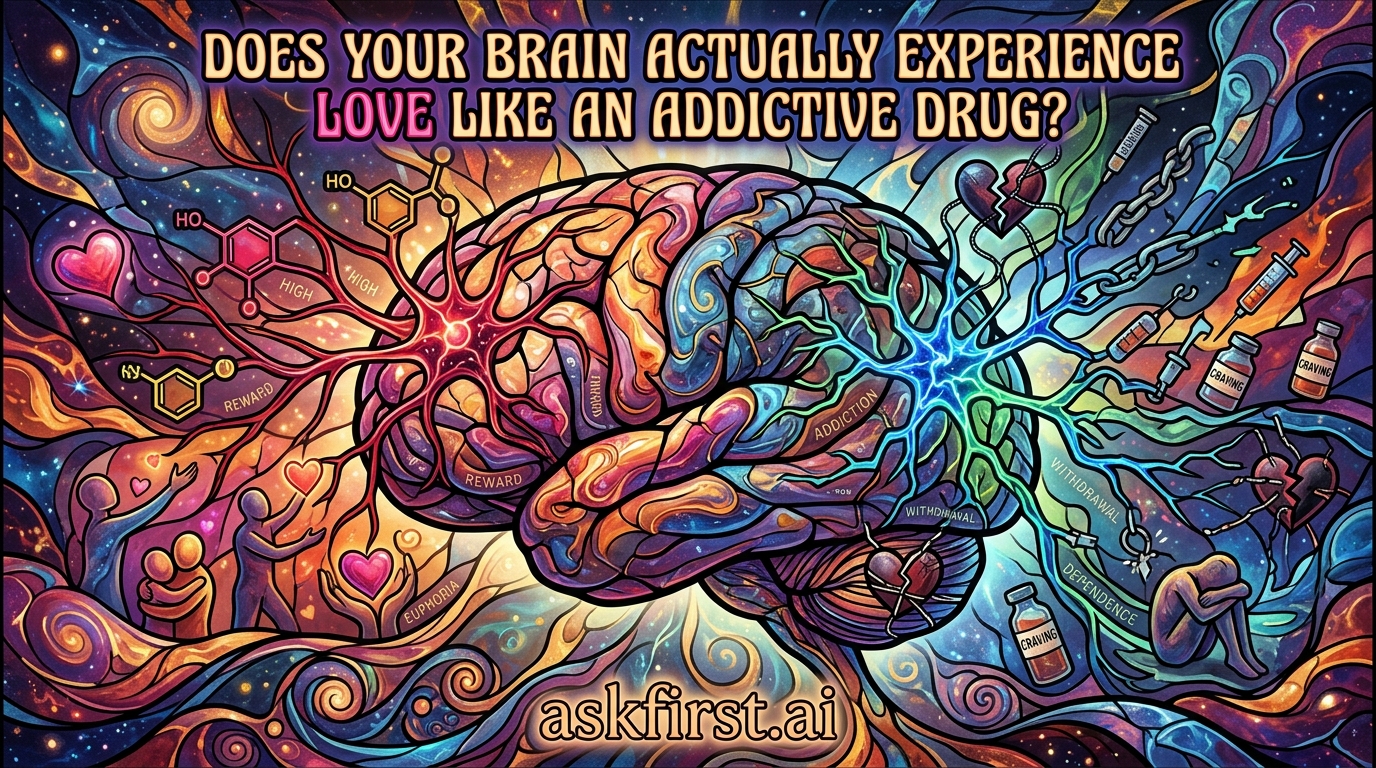
Modern neurobiology confirms that the phenomenon of falling in love is not merely a poetic metaphor but a sophisticated, biologically-driven process that mirrors the neural pathways observed in substance addiction. When an individual experiences romantic passion, the brain engages a specific suite of neurochemical signals that trigger intense focus, euphoria, and craving. This process originates deep within the ventral tegmental area (VTA) and the nucleus accumbens, regions collectively known as the brain's primary reward centers.
The Dopaminergic Reward System
At the core of this experience is dopamine, the neurotransmitter responsible for motivation and pleasure. In the early stages of romantic love, the brain releases significant quantities of dopamine, creating a state of hyper-focus on the romantic partner. This mirrors the neurochemical surge caused by psychoactive substances. Much like an individual seeking a chemical reward, the person in love seeks the presence of the beloved to sustain this dopaminergic high. This leads to the characteristic symptoms of infatuation: elevated heart rate, loss of appetite, and a singular obsession with the object of affection.
Comparing Love to Substance Dependence
Studies utilizing functional Magnetic Resonance Imaging (fMRI) have shown that the brain regions active during the early stages of romantic love significantly overlap with those active during the onset of cocaine or amphetamine intoxication. Key parallels include:
- Tolerance: Just as a person may need larger doses of a substance to achieve the same effect, the intensity of 'new love' often shifts into a more stable, albeit less volatile, state of companionship over time.
- Withdrawal: The absence of the romantic partner can trigger physical and psychological symptoms akin to drug withdrawal. This includes heightened anxiety, emotional irritability, and a persistent craving for 're-connection.'
- Craving and Obsession: The intrusive thoughts regarding a partner are functionally identical to the cravings observed in clinical studies of addiction, where the brain prioritizes the pursuit of the reward above other physiological needs.
The Role of Oxytocin and Vasopressin
While dopamine drives the 'craving' or the 'high,' other hormones facilitate the long-term stabilization of the bond. Oxytocin, often referred to as the 'cuddle hormone,' is released during physical intimacy and emotional bonding. It promotes trust and creates a sense of safety and calm. Vasopressin is closely linked to territorial behavior and long-term monogamous pair-bonding. Together, these neurochemicals transform the frantic energy of initial dopamine-driven infatuation into the enduring stability of long-term partnership.
The Evolutionary Necessity
From an evolutionary perspective, the addictive nature of love is a biological adaptation designed to ensure the survival of the species. By tethering two individuals together through powerful chemical rewards, the brain ensures that pair-bonding occurs, thereby increasing the likelihood of successful reproduction and the shared care of offspring. The fact that love mimics addiction is not a flaw in human design; it is a profound survival mechanism that encourages sustained human cooperation and investment.
Is It Truly an Addiction?
While the chemical pathways are remarkably similar, neuroscientists emphasize a crucial distinction: addiction typically involves the dysregulation of the reward system leading to harmful consequences, whereas romantic love is a healthy, natural, and pro-social state. While a 'lovesick' individual might neglect responsibilities, the fundamental outcome of this 'addiction' is the creation of a social unit. The brain remains adaptable; the intensity of the early 'addiction' phase naturally subsides, allowing for the transition into deeper, long-term attachment which is less focused on chaotic arousal and more focused on emotional security.
Summary of Biological Impacts
- Ventral Tegmental Area: The command center for the dopamine 'reward' signals.
- Prefrontal Cortex: During deep love, parts of the brain associated with critical judgment may temporarily quiet down, explaining why love is often perceived as 'blind.'
- Neuroplasticity: Sustained romantic bonds can actually alter brain structure over time, reinforcing pathways of empathy and emotional regulation.
Ultimately, understanding the intersection between love and addiction allows for a greater appreciation of human connection. The brain utilizes the same powerful reward machinery used to reinforce essential life-sustaining behaviors—such as eating and seeking shelter—to ensure that humans prioritize their most vital social bonds. Love remains one of the most powerful, complex, and chemically potent experiences available to the human mind.