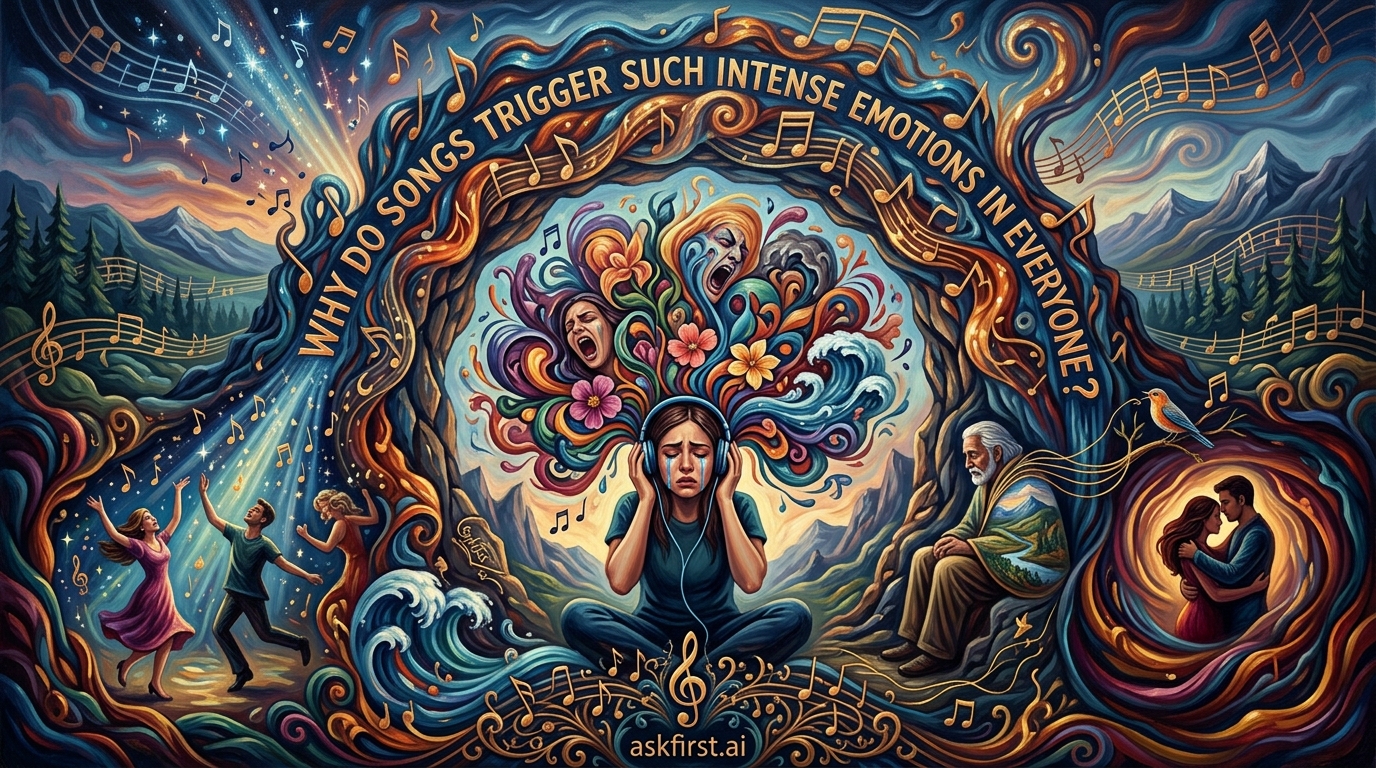
The Neurobiology of Musical Resonance
Music is a universal language, transcending linguistic barriers and cultural divides to tap into the deepest structures of the human brain. When a song triggers an intense emotional response—the prickling of skin known as frisson, a sudden burst of tears, or an uncontrollable urge to dance—it is not merely a subjective preference. It is a complex physiological event involving the interaction of the brain’s limbic system, auditory cortex, and reward centers. At the core of this phenomenon is the release of dopamine in the striatum, the same chemical associated with pleasure from food or social interaction. This suggests that the human brain is evolutionarily predisposed to find structural meaning and emotional reward in rhythm, pitch, and harmony.
The Predictive Nature of the Brain
Cognitive neuroscience suggests that the brain functions as a predictive machine. It is constantly forming internal models of what it expects to hear next. When a song offers a melody that aligns with these predictions, the listener feels a sense of satisfaction. When the song deviates—introducing a surprising key change or a syncopated rhythm—and then resolves back to a predictable pattern, the brain receives a 'reward' for successfully resolving the uncertainty. This tension and resolution cycle is the emotional heartbeat of music. Composers leverage this by manipulating expectations, leading the listener on an emotional journey that mimics the peaks and valleys of a narrative experience.
Memory and the Autonomic Nervous System
One of the most powerful triggers for emotion is the association between music and autobiographical memory. The hippocampus, which governs memory, is closely linked to the amygdala, the brain's emotional center. Music functions as a highly effective mnemonic device. A single melody can transport a person back to a specific moment in time with startling clarity. This is often described as the 'reminiscence bump,' where music heard during formative years (typically adolescence and early adulthood) remains tethered to emotional experiences for a lifetime. When a familiar song plays, the brain does not just hear notes; it reconstructs an entire sensory experience from the past, including the emotions that were felt at that time.
The Biological Synchronization: Entrainment
Beyond individual memories, music exerts a physical effect on the listener through a process known as entrainment. This is the phenomenon where the body’s internal rhythms—such as heart rate and breathing—begin to synchronize with the external pulse of the music. Studies have shown that when a listener engages with rhythmic auditory patterns, the motor cortex becomes active even without physical movement. This is why a fast-tempo song can increase blood pressure and alertness, while slower, low-frequency music can stimulate the parasympathetic nervous system, inducing a state of calm. The body literally aligns itself with the sonic landscape, making emotion a tactile, somatic experience rather than just a mental one.
The Social Glue: Evolutionary Perspectives
From an anthropological standpoint, music has served as a social adhesive throughout human history. Before written language, communal singing and rhythmic synchronization played a vital role in group cohesion, tribal identification, and ceremonial communication. The collective experience of music releases oxytocin, often called the 'bonding hormone.' This promotes empathy and reduces social anxiety. When everyone in a concert hall feels the same surge of emotion at a climactic musical moment, they are engaging in a shared state of consciousness. This evolutionary background explains why we feel a profound sense of connection to others through songs; we are biologically hardwired to use music as a tool for social belonging.
Key Mechanisms of Musical Emotion:
- Auditory Scene Analysis: The ability to segregate complex sounds, allowing us to focus on a vocal melody while tracking the underlying bassline, creates a multi-layered intellectual pleasure.
- Dopaminergic Feedback Loops: The brain continuously rewards itself for identifying and tracking patterns within the melody.
- Physiological Mirroring: The mirror neuron system allows us to 'feel' the performance of the artist, whether it is the strain in their voice or the energy in their percussive timing.
- Regulatory Capacity: Music acts as an external tool for emotional regulation, helping listeners process grief, joy, or anticipation by providing a structure for feelings that might otherwise be abstract or overwhelming.
In conclusion, music is not just sound; it is a profound synthesis of biology, memory, and social evolution. It triggers such intense emotions because it engages almost every part of the brain simultaneously, turning our internal state into a canvas upon which the composer paints. By bridging the gap between expectation and surprise, and by acting as a vessel for our most cherished memories, music remains the most potent, non-verbal emotional technology that humans have ever created.