The Psychology of Parasocial Relationships
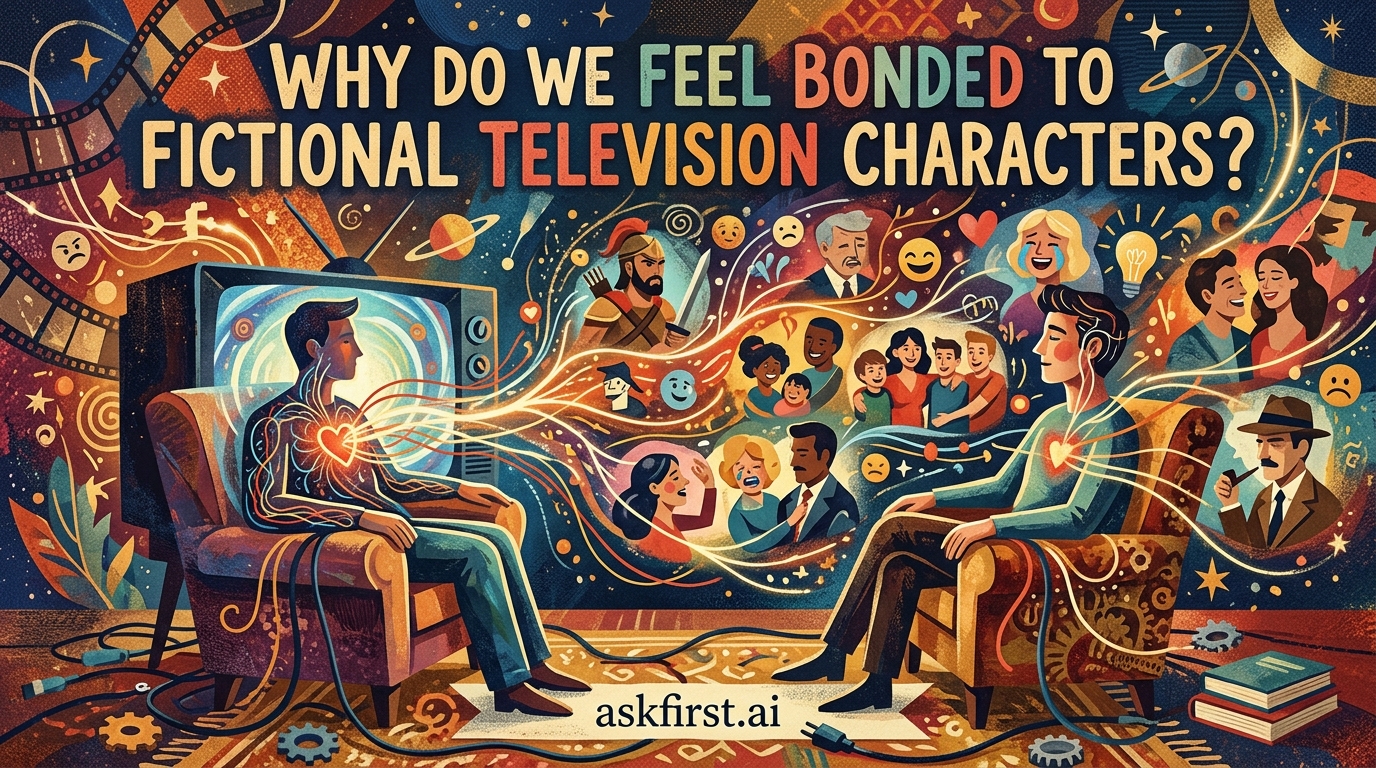
Human beings are inherently social creatures, biologically hardwired to seek connection, empathy, and community. While traditional sociology focused on face-to-face interactions, the advent of mass media introduced a phenomenon known as the parasocial relationship. This term describes the one-sided psychological bond viewers form with media personae, including fictional television characters. Despite the lack of reciprocity, these connections feel remarkably authentic because the human brain struggles to distinguish between real-world social cues and simulated ones.
The Neurobiology of Empathy
At the core of this bonding process are mirror neurons. These specialized brain cells fire both when an individual performs an action and when they observe someone else performing the same action. When a character on screen faces a challenge, experiences joy, or undergoes heartbreak, the viewer’s brain mirrors those emotional states. This process allows the audience to experience vicarious emotional growth. As research suggests, long-term exposure to a show triggers the release of oxytocin, often called the 'bonding hormone,' which reinforces feelings of trust and familiarity even with individuals who do not exist in reality.
Evolutionary Adaptation to Storytelling
From an evolutionary standpoint, the ability to read intentions and empathize with others was essential for survival within early human tribes. By analyzing the motives and behaviors of others, ancestors could better navigate complex social hierarchies. Fictional narratives serve as a modern gymnasium for the brain. Television programs allow individuals to observe diverse social dynamics and emotional responses, essentially simulating real-world scenarios in a low-risk environment. Consequently, the brain registers these fictional characters as 'social acquaintances' because the cognitive processing involved is identical to how the brain catalogs real-world friends.
The Role of Long-Form Narratives
Unlike movies, which have a limited duration, long-running television series provide the luxury of time. This is the primary driver of intense parasocial bonding. When an audience invites a character into their living room for years, that character becomes part of the viewer's daily routine. This repeated exposure leads to the 'mere-exposure effect,' a psychological phenomenon where people develop a preference for things or people simply because they are familiar. Over time, the consistency of the character's voice, humor, and flaws creates an illusion of companionship that effectively fills voids in personal social circles.
Psychological Functions of Fictional Bonds
Bonding with fictional characters serves several vital psychological functions:
- Emotional Regulation: Characters often act as a safe harbor, providing comfort during stressful periods. Identifying with a protagonist's resilience can bolster a viewer's own ability to cope with life's hurdles.
- Social Surrogate: For individuals experiencing loneliness or social anxiety, television characters provide a sense of belonging. They act as social surrogates, reducing the sting of isolation without the unpredictable demands of actual human relationships.
- Identity Formation: Viewers often use fictional characters as templates for self-discovery. By observing how characters navigate moral dilemmas, audiences clarify their own values, beliefs, and aspirations.
The Boundary Between Reality and Fiction
It is essential to clarify that parasocial interaction is not a sign of pathology. It is a standard feature of human cognition. While extreme cases exist where the line between reality and fantasy blurs, for the majority of people, these bonds represent a healthy expansion of the human social capacity. Society creates stories to understand itself, and characters act as the proxies through which we explore the depths of human nature. Whether it is a comedy show that provides laughter during a dark time or a drama that forces introspection, the bond remains a testament to the power of the human imagination.
Conclusion
We bond with television characters because our brains are designed to seek connection, and stories are the most powerful tool we have for simulating the vast landscape of human experience. These relationships are not 'fake' in a biological sense; they are a sophisticated cognitive process that allows us to grow, feel, and understand the world through the lens of another persona. By engaging with these characters, we are not just watching a screen; we are participating in a profound act of empathy that defines the modern human condition.