The Psychology of Vulnerability and Connection
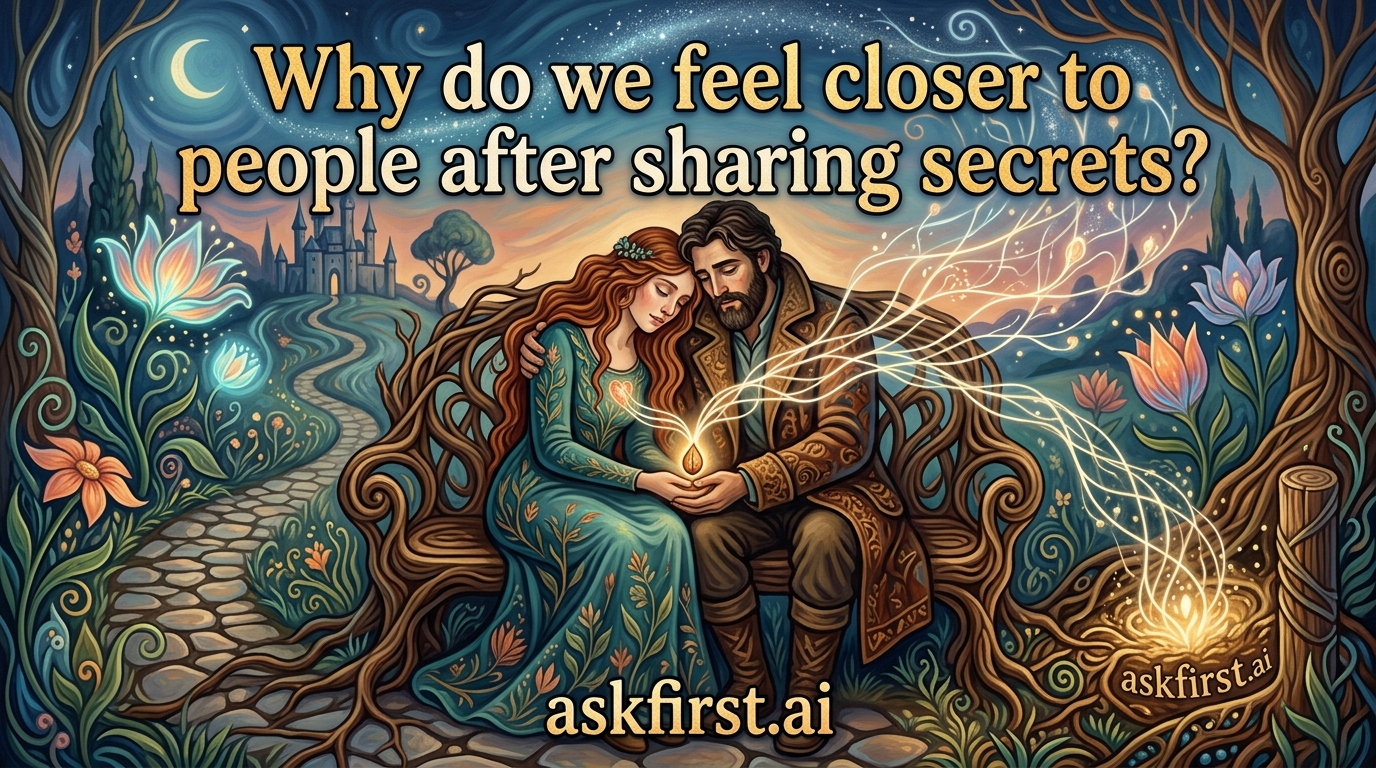
Sharing a secret is a fundamental human act that serves as a powerful catalyst for interpersonal intimacy. When individuals disclose private information, they are essentially engaging in a calculated risk known as self-disclosure. This process triggers a cascade of psychological and neurological responses that foster deeper connections. At its core, the act of revealing hidden aspects of the self creates a sense of mutual obligation and shared identity, which reinforces the bond between the parties involved.
The Mechanism of Self-Disclosure
Social penetration theory, developed by psychologists Irwin Altman and Dalmas Taylor, suggests that relationships progress from superficial levels to deeper, more intimate layers of personality through self-disclosure. When a person reveals a secret, they are effectively peeling back one of these layers.
- The Reciprocity Norm: Humans possess a social instinct to reciprocate gestures. When someone shares a secret, it invites the listener to reciprocate in kind. This back-and-forth exchange, often called the 'disclosure-reciprocity loop,' accelerates the perception of closeness.
- The Trust Paradox: To share a secret is to render oneself vulnerable. By placing this sensitive information in the hands of another, the speaker signals deep trust. When the listener receives this information with empathy, it confirms that the trust was well-placed, which inherently builds the foundation for long-term friendship.
Neurobiological Underpinnings
Beyond psychological theories, there is tangible biological activity occurring during these moments. Oxytocin, often referred to as the 'bonding hormone,' is released during social interactions that involve trust and intimacy.
- Oxytocin Release: Research indicates that shared vulnerability stimulates the brain’s social reward circuitry. When we share a secret, our brain produces oxytocin, which reduces anxiety and promotes a sense of safety and belonging.
- Dopaminergic Feedback: The positive feedback received when a secret is validated—when the listener expresses understanding or empathy—activates the brain's reward system. This creates a dopamine rush, making the interaction feel inherently satisfying and reinforcing the desire to spend more time with that individual.
The 'Secret-Sharing' Effect: A Cultural Catalyst
Across cultures, the act of 'confiding' has always been a cornerstone of social cohesion. Unlike everyday small talk, which maintains the surface-level stability of a group, secret-sharing defines the boundary between casual acquaintances and 'insiders.'
- Identity and Exclusivity: A shared secret acts as a 'social glue.' By having unique, private information, two individuals become part of an exclusive group. This feeling of being 'in the know' together strengthens the personal identification with the relationship.
- Validation of the Self: Often, people hold onto secrets because they fear judgment or social exclusion. When a secret is shared and accepted without prejudice, it serves as a form of social validation. It reaffirms the speaker's value, suggesting that they are safe and accepted despite their 'hidden' parts.
Navigating the Risks of Intimacy
While the benefits are significant, it is vital to acknowledge the nuance of this phenomenon. The feeling of closeness depends heavily on the response received. If the listener responds with criticism, betrayal, or indifference, the psychological impact can be deeply damaging, causing an immediate withdrawal from the relationship.
- Empathetic Listening: The success of the bond depends more on the listener's reaction than the content of the secret itself. Active listening—demonstrating empathy, withholding judgment, and maintaining confidentiality—is what transforms a secret into a bridge.
- The Balance of Disclosure: Over-sharing too quickly can sometimes overwhelm a new acquaintance. Gradual disclosure allows the relationship to grow at a sustainable pace, ensuring that both parties feel comfortable with the level of intimacy being reached.
Conclusion: The Architecture of Trust
Ultimately, sharing secrets is not merely about the exchange of information; it is about the architecture of trust. We feel closer to others because we have invited them into our inner world, and they have agreed to protect it. By moving beyond the surface and revealing the complexities of our true selves, we create a resonant connection that defines the most meaningful relationships in human life. This process remains a cornerstone of the human experience, transcending time and culture to remind us that being truly 'seen' by another is perhaps the most profound human need.