The Neurobiology of Musical Resonance
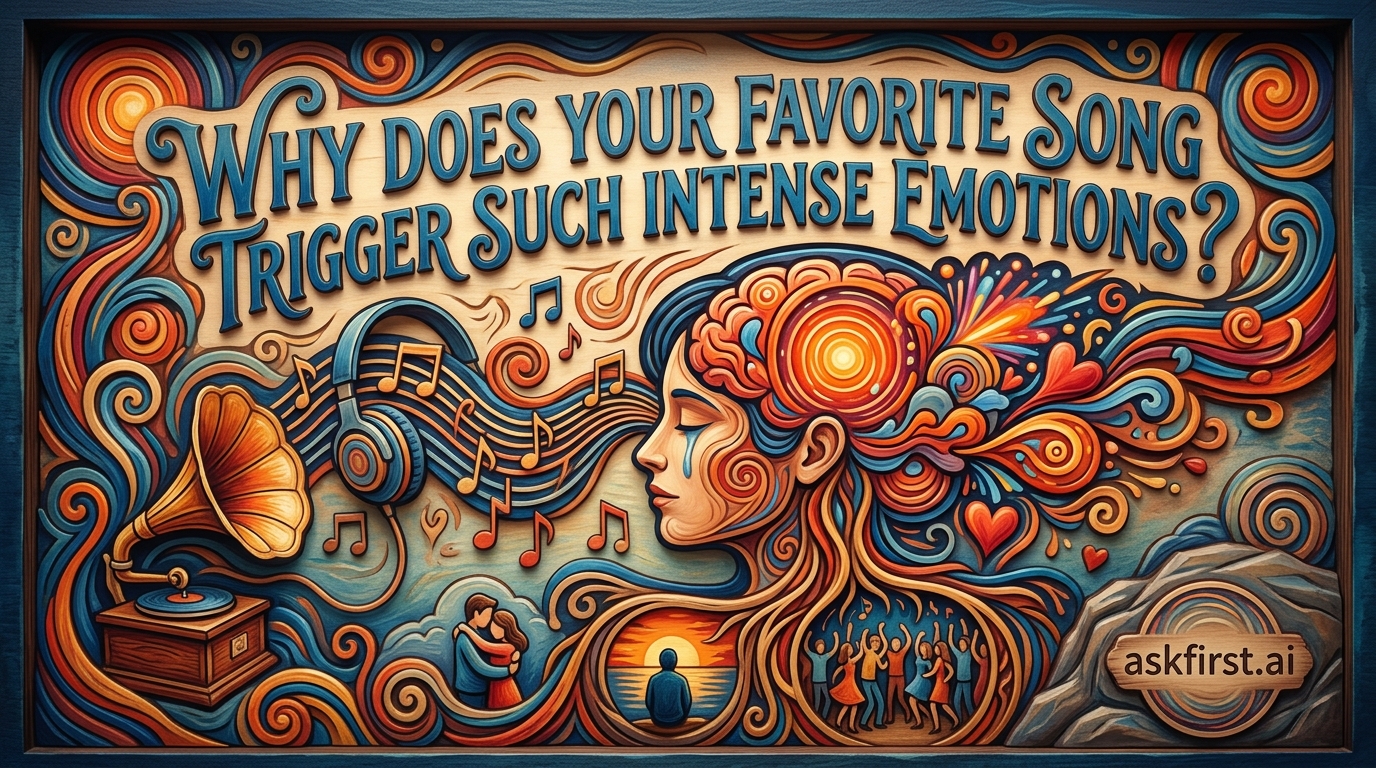
The phenomenon of being moved to tears or experiencing physical chills—known scientifically as 'frisson'—by a favorite song is a complex interplay of neurological, psychological, and physiological mechanisms. At its core, music is not merely an auditory experience; it is a full-brain workout that engages pathways related to reward, memory, and prediction. When a favorite melody plays, the brain is flooded with dopamine, the primary neurotransmitter involved in the reward system. This is the same chemical released during other pleasurable activities, like eating delicious food or achieving a goal, which explains the visceral satisfaction felt when a familiar chorus hits its climax.
The Role of Expectation and Reward
Music operates on a principle of 'expectation and violation.' The human brain is a prediction machine that constantly attempts to forecast what will happen next. In music, when a composer sets up a melody and then takes an unexpected turn—or resolves a tension that has been building up—the brain rewards this resolution with a spike in dopamine. A favorite song is often a collection of these resolved tensions that the listener has mastered over time. Because the brain knows exactly when the 'drop' or the 'key change' is coming, the anticipation creates a pleasurable loop of tension and release. Studies in neurobiology suggest that the nucleus accumbens, a key region in the brain’s reward circuitry, is hyper-active during these anticipated musical moments.
The Mnemonic Bridge: Music and Memory
One of the most powerful reasons a song triggers intense emotion is its connection to the autobiographical memory system. Music has a unique ability to act as a 'mnemonic anchor,' tethering a specific emotional state or life event to a melody. When a listener hears a song associated with a pivotal time in their past, the hippocampus and the prefrontal cortex work in tandem to retrieve the context of that memory. This is known as the 'Reminiscence Bump.' Because music processing occurs in the same neural regions where we store intense personal memories, hearing a song can transport a person back to an emotional state with startling accuracy, often bypassing rational thought entirely.
The Physiological Response: Chills and Frisson
Frisson, the technical term for 'skin orgasms' or goosebumps experienced during a song, occurs when the brain is surprised by an unexpected shift in volume, harmony, or rhythm. When these sonic shifts occur, the sympathetic nervous system initiates a brief 'fight-or-flight' response, which manifests as a rapid release of adrenaline. If the listener perceives the music as safe, the brain quickly recalibrates, resulting in a rush of pleasant, shiver-inducing stimulation. Research suggests that personality traits, particularly 'Openness to Experience,' correlate strongly with the frequency of experiencing this intense reaction to music.
Why Music Matters for Emotional Regulation
Beyond simple biology, music serves as an essential tool for emotional regulation. It functions as a surrogate for human connection, providing a sense of companionship and validation. Whether through lyrical resonance—feeling as if the songwriter is articulating an unspoken struggle—or through the sonic atmosphere, music provides a framework for processing complex emotions that words alone often fail to capture.
- Entrainment: The body’s tendency to synchronize its internal rhythms, such as heart rate, with external musical beats.
- Cortisol Reduction: Listening to favorite songs has been clinically shown to decrease levels of cortisol, the body’s primary stress hormone.
- Social Bonding: Music is a social glue, reinforcing group identity and collective emotional experiences, which adds a layer of cultural weight to individual preferences.
A Universal Human Constant
The power of a favorite song lies in its ability to bridge the gap between the internal world and the external environment. It is a synthesis of past experience, current psychological need, and the biological hardware of the human reward system. By combining predictive processing with deep-seated memory, music creates a temporary landscape where intense emotion is not only possible but inevitable. It is this capacity for deep emotional engagement that ensures music remains one of the most enduring and universal aspects of human culture, transcending time, geography, and individual life circumstances.