The Phenomenon of Post-Series Blues
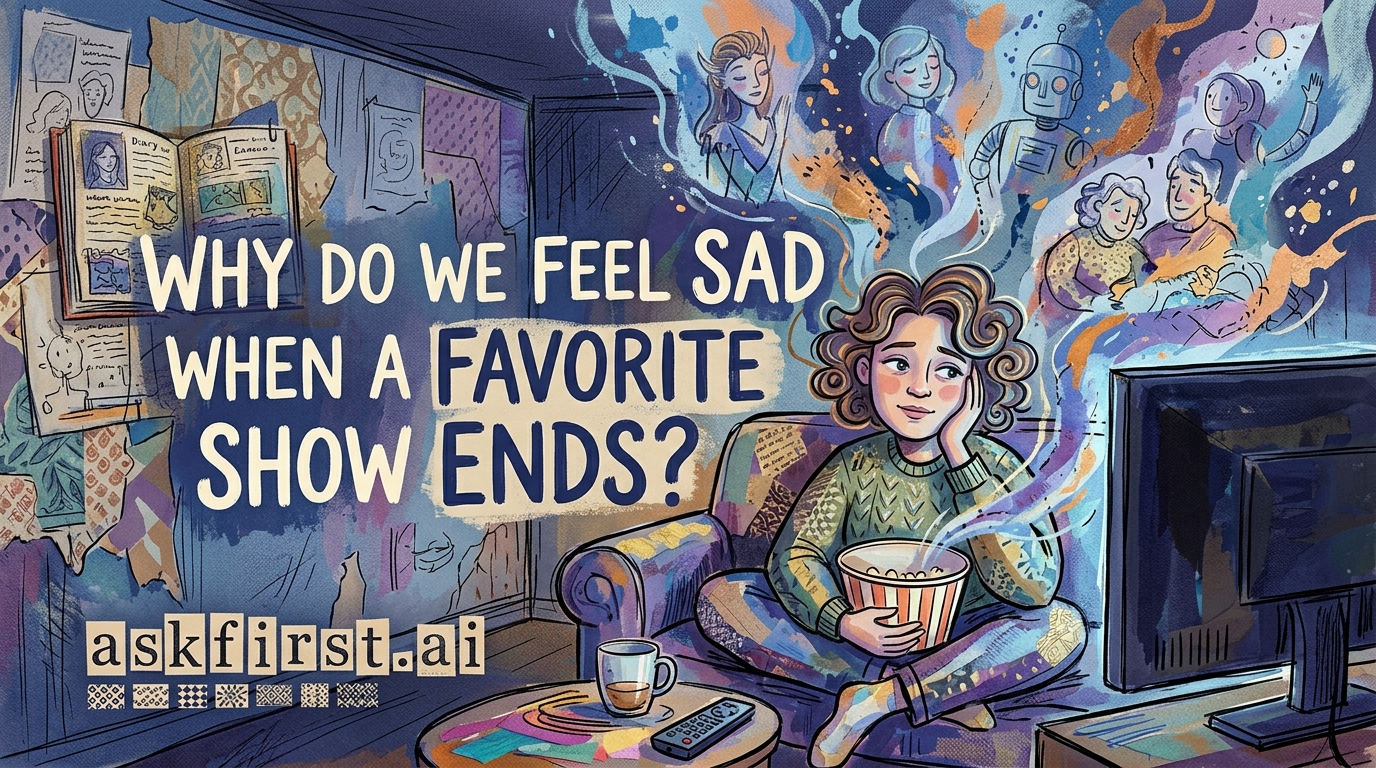
The experience of finishing a beloved television series is often accompanied by a distinct, melancholic sensation known colloquially as 'post-series depression' or 'post-show blues.' While not a clinical disorder, this emotional response is a well-documented psychological occurrence that highlights the complex way human beings forge attachments to fictional narratives and characters. When a narrative arc concludes, the brain experiences a loss similar to the cessation of a real-world social interaction, rooted in the evolutionary mechanics of human connection.
The Psychology of Parasocial Interaction
At the core of this sadness lies the concept of parasocial interaction. This term refers to the one-sided relationships audience members develop with characters they consume through media. Over multiple seasons, the brain processes these characters with a familiarity that mimics real-world acquaintances. Because humans are inherently social creatures designed to bond for survival and stability, the brain often struggles to distinguish between the 'real' people in a life and the 'fictional' people on a screen.
- Cognitive Integration: As viewers engage with a show, they incorporate the characters' experiences, struggles, and triumphs into their own emotional landscape. This integration creates a sense of belonging and community that remains active long after the screen goes dark.
- Emotional Investment: When a series finale occurs, the closure of these pathways feels like a sudden social disconnection. The character who provided consistent entertainment, comfort, and lessons is suddenly absent, triggering a withdrawal-like state.
The Role of Narrative Immersion and Flow
Psychologists emphasize the concept of narrative transportation, or the 'flow state' achieved when one becomes completely immersed in a story. This state acts as a buffer against daily stresses, offering a retreat into a world governed by clear themes and predictable moral structures. When the show ends, this structured reality collapses, forcing the individual back into the complexities of daily life without the provided 'narrative scaffolding.'
Why The Brain Craves Closure
Human cognition is inherently pattern-seeking. We find satisfaction in stories that resolve conflict, as these provide a mental shortcut to understanding chaos. However, the ending of a series introduces a conflict between the desire for completion and the desire for continuity. The sadness felt at the conclusion is essentially a sign of the brain’s high level of engagement with the content. It indicates that the narrative was successful in becoming a 'third space'—a location for emotional processing outside of work or home.
Biological Underpinnings: Dopamine and Oxytocin
Scientific literature suggests that sustained media consumption releases neurotransmitters such as dopamine, which is associated with reward and pleasure. When an individual watches their favorite characters overcome obstacles, the brain is periodically rewarded. When the show concludes, this regular source of positive reinforcement is removed. Additionally, the formation of deep bonds—even with fictional figures—can trigger the release of oxytocin, the 'bonding hormone.' The cessation of the show creates a temporary deficiency in these chemical spikes, leading to feelings of emptiness or listlessness.
Managing the Transition: A Path Forward
Understanding the mechanics behind this sadness is the first step toward mitigation. Recognizing that these feelings are a testament to the power of human imagination can transform the experience from one of loss to one of appreciation. Experts suggest several strategies to navigate this transition:
- Reflective Processing: Writing about the show, discussing themes in online forums, or creating fan-generated content helps externalize the internal emotional connection.
- The 'Palate Cleanser' Effect: Engaging with a completely different genre or a medium with a different pacing can help signal to the brain that the previous narrative chapter has concluded, preventing the cycle of comparison.
- Focusing on Life Application: Identifying the traits or lessons learned from the characters and consciously applying them to one's own life validates the time spent watching, turning a passive experience into a catalyst for personal growth.
Ultimately, the sadness associated with the end of a series is not a symptom of loneliness, but rather a profound indicator of the capacity for empathy. It proves that the human heart is capable of expanding its emotional borders to encompass stories far beyond its physical reality. This ability to empathize with fictional entities is a unique evolutionary adaptation, one that allows humans to simulate countless life paths and develop deeper moral reasoning.