The Science of Physiological Synchrony
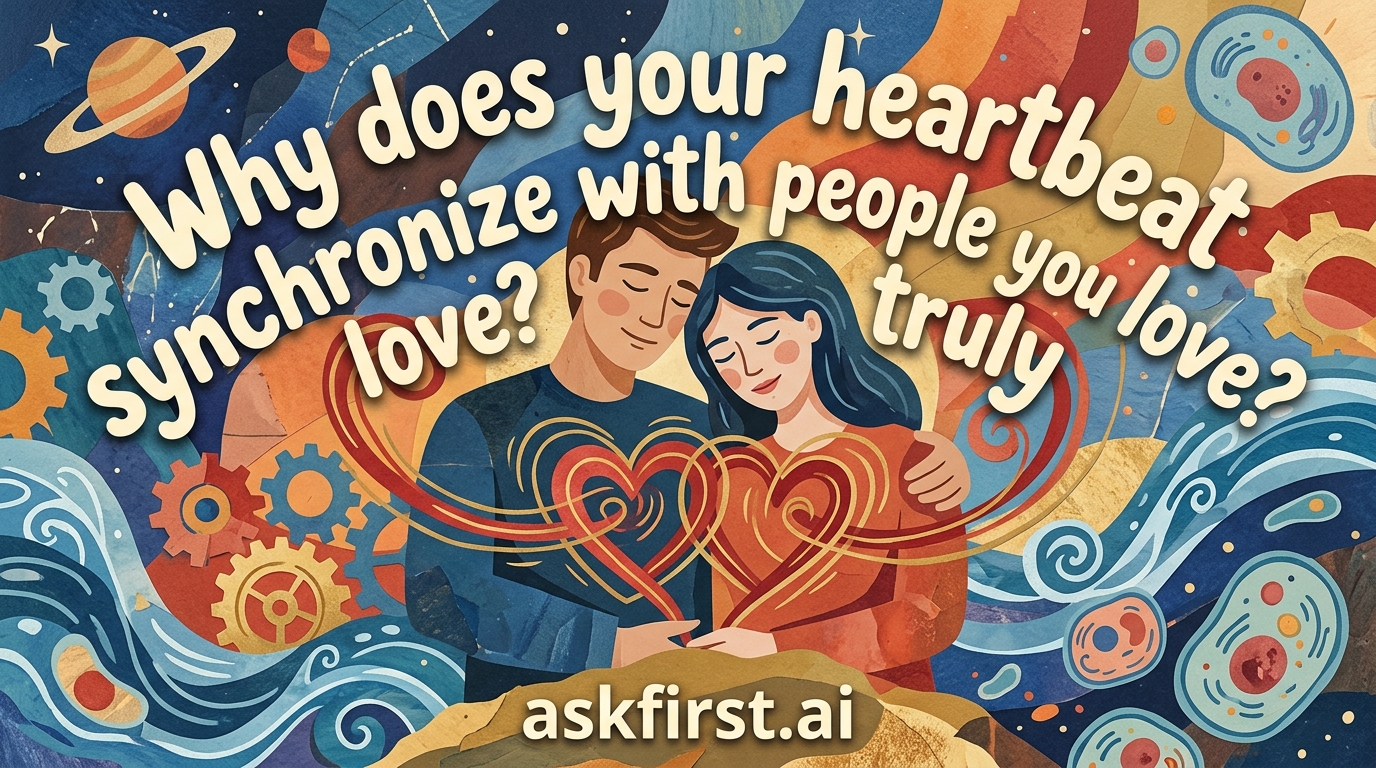
The phenomenon of physiological synchrony—where the heart rates and respiratory patterns of two individuals align—is one of the most profound examples of human interconnection. Research into this biological mirroring suggests that love and deep social bonds function as more than just emotional states; they operate as physiological feedback loops. When individuals share a strong attachment, their nervous systems begin to behave as a single, coupled unit rather than two independent entities. This process is rooted in the architecture of the human brain and the autonomic nervous system.
The Mechanism of Neural Coupling
At the core of this synchrony is the autonomic nervous system (ANS), which regulates involuntary bodily functions including heart rate and digestion. When people are deeply connected, their brains engage in what neuroscientists call 'neural coupling.' Through sensory input—visual cues, touch, and even subtle pheromonal communication—the brain of one individual begins to map the state of the other. The vagus nerve, a major component of the parasympathetic nervous system, plays a critical role here. It acts as a bridge between the brain and the heart, facilitating the adjustment of heart rate in response to social stimuli.
The Role of Mirror Neurons
Mirror neurons are specialized brain cells that fire both when an individual performs an action and when they observe someone else performing the same action. While traditionally associated with motor movements, mirror neurons are essential for empathy. They allow the brain to simulate the internal state of another person. In the context of love, this simulation extends to the physiological level. If a loved one is calm, the mirror neuron system helps the observer co-regulate their own state to match that calmness, leading to a measurable stabilization or synchronization of heart rates.
Why Synchrony Matters: Evolutionary Perspectives
From an evolutionary biology standpoint, synchrony is a mechanism for survival. The ability to harmonize physiologically serves several critical functions:
- Enhanced Bonding: By mirroring each other, individuals strengthen their attachment, ensuring group cohesion and mutual protection.
- Emotional Co-regulation: Humans are inherently social. Being able to 'borrow' the nervous system state of another person allows for rapid stress reduction and emotional stability.
- Non-verbal Communication: In situations where language is insufficient or absent, physiological alignment provides a silent, highly accurate method of understanding the partner's internal state.
Scientific Evidence and Studies
A landmark study published by researchers at the University of California, Davis, demonstrated that romantic couples often exhibit 'physiological linkage.' By tracking the heart rates and breathing patterns of couples, researchers observed that when one partner's heart rate spiked or stabilized, the other's heart rate followed suit shortly thereafter. Interestingly, this effect was not observed in strangers or even in non-romantic pairs, suggesting that the depth of the emotional bond is the primary catalyst for this biological phenomenon.
The Feedback Loop of Intimacy
Synchrony is not a passive event; it is an active, dynamic feedback loop. When two people love each other, they spend time together, gaze into each other’s eyes, and engage in physical touch. These behaviors are not just sentimental gestures; they are biological signaling systems. For instance, Oxytocin, often called the 'cuddle hormone,' is released during intimate contact. Oxytocin is known to lower blood pressure and heart rate, promoting a state of physiological relaxation that makes synchronization between two people much easier to achieve.
How to Cultivate Connection
While synchrony often happens spontaneously, certain practices can intentionally foster this biological alignment:
- Mindful Presence: Engaging in undivided attention allows the brain to pick up on the subtle, non-verbal cues of the partner.
- Shared Rhythms: Activities such as walking together, dancing, or even slow, synchronized breathing can physically force the heart rates of two individuals to align.
- Physical Touch: Holding hands or sitting in close proximity provides a steady stream of tactile sensory information that the nervous system uses to adjust its own rhythm.
Conclusion: The Biological Signature of Love
Ultimately, the synchronization of heart rates is a testament to the fact that humans are wired for connection. We are not isolated biological machines but rather nodes in a social network, constantly exchanging energy and information. When we love, we literally become part of each other's physiological reality. This alignment serves as a constant, rhythmic reminder that our well-being is inextricably linked to the presence and state of those we hold dear. Understanding this mechanism allows us to appreciate the profound physical weight of our relationships and the inherent power of the human bond.