The Phenomenon of Precognitive Dreams
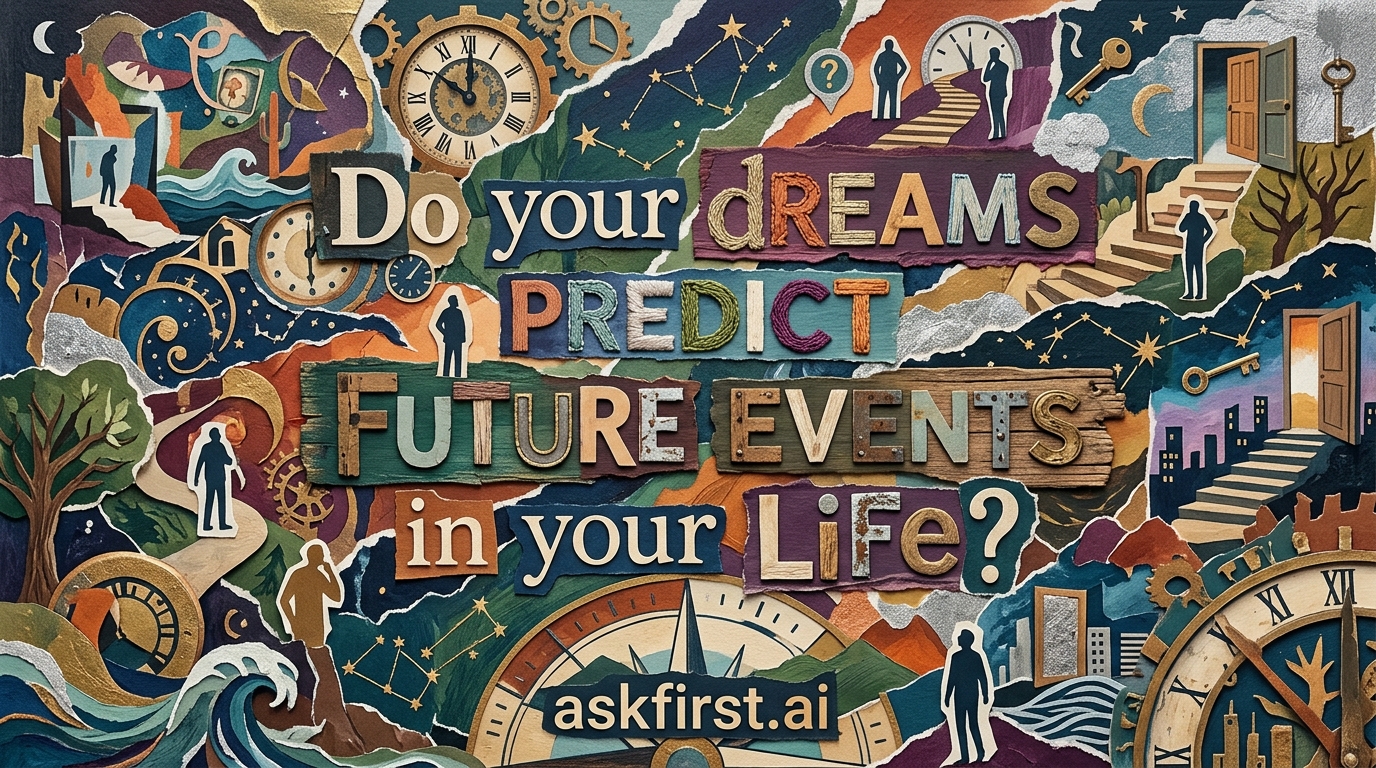
The human experience is deeply intertwined with the mysterious realm of sleep, where the mind traverses landscapes that defy the rigid laws of physics and time. One of the most captivating topics in the study of consciousness is the phenomenon of precognitive dreaming—the sensation that a dream has accurately forecasted a future event. While scientific consensus generally views these experiences through the lens of psychological architecture rather than clairvoyance, the persistence of these reports warrants a detailed exploration of cognitive processes, probability, and the limitations of human memory.
Psychological Mechanisms: The Role of Pattern Recognition
To understand why a dream feels predictive, it is essential to analyze how the human brain processes information. The brain is essentially a massive pattern-recognition machine. During the day, the subconscious absorbs millions of data points—subtle social cues, environmental changes, and interpersonal tensions—that the conscious mind often ignores. During REM (Rapid Eye Movement) sleep, the brain actively organizes this vast archive of information, connecting disparate dots to create narrative structures.
When a dream seems to 'predict' a future event, it is often the result of the brain successfully extrapolating from existing trends. If a person dreams about a friend they have not spoken to in months, only to receive a phone call from them the next day, it is frequently labeled as a precognitive event. However, this is likely a product of the subconscious noting a cycle of communication, or perhaps recognizing subtle triggers that suggest a contact is imminent. The brain is constantly running simulations of the future to prepare for survival; occasionally, these internal simulations happen to align with external reality, creating an uncanny feeling of foresight.
The Law of Large Numbers and Probability
Mathematics offers a grounding perspective on these experiences. Humanity experiences billions of dreams every night across the globe. Given the sheer volume of dreams, the law of large numbers dictates that coincidences are not just possible, but statistically inevitable. If one dreams of a specific, mundane scenario—such as dropping a coffee mug or encountering a specific bird—and that event occurs later, the mind tends to assign 'significance' to the hit while completely discarding the thousands of 'misses' where the dream did not match reality. This is known as confirmation bias.
Memory is also notoriously reconstructive. Research in cognitive psychology has shown that people often unconsciously alter their memories of a dream after an event has occurred to make the dream seem more prophetic than it actually was. This phenomenon, often called 'hindsight bias', effectively rewrites the narrative of the past to fit the reality of the present, strengthening the belief in precognition.
Scientific Perspectives and Neurological Explanations
From a neuroscientific standpoint, there is no verified mechanism that allows for the reception of information from the future. The experience of precognitive dreaming is typically attributed to several well-documented cognitive biases and neurological quirks:
- Deja Rêvé: This term describes the state where a person feels they have dreamt of their current situation before. It is often linked to localized temporal lobe activity, which can create a false sense of familiarity with a new experience.
- The Priming Effect: Exposure to environmental stimuli can prime the brain to respond to certain themes in dreams. If a person watches a documentary about storms before bed, a dream about a flood is a natural neurological progression rather than a psychic premonition.
- Unconscious Inference: The brain draws logical conclusions from subconscious data, allowing it to predict outcomes that the conscious mind hasn't articulated yet.
Cultural and Philosophical Significance
Despite the lack of empirical evidence for literal precognition, the existence of these dreams remains a fascinating subject for cultural and philosophical inquiry. Throughout history, cultures have interpreted dreams as portals to a deeper reality, valuing the subjective experience of the dreamer over objective scientific verification. Whether or not these dreams provide factual data about the future, they undeniably provide value to the individual by encouraging introspection and highlighting the intricate, often mysterious nature of human consciousness.
Conclusion
In summary, while the allure of dreaming the future is powerful and deeply rooted in the human desire for meaning, the current scientific understanding points toward a combination of high-speed subconscious processing, statistical probability, and memory bias. The mind is a spectacular engine of creativity and prediction, constantly crafting stories based on its experiences. While these dreams may not be clairvoyant, they serve as a testament to the sophistication of the sleeping brain, which is always working to interpret the complexities of the world around us. Embracing the mystery of the dream state can lead to greater self-awareness, even if the events themselves are products of a mind navigating the depths of the human psyche rather than gazing into a crystal ball.