The Neurochemical Cascade of a Smile
Smiling is far more than a social gesture; it is a profound physiological intervention. When the muscles in the face—specifically the zygomaticus major—contract, they send a feedback loop to the brain. This is known as the Facial Feedback Hypothesis. When the brain detects this muscular contraction, it interprets the action as evidence of happiness, regardless of whether the smile was triggered by genuine joy or a voluntary muscular effort. This process initiates a sophisticated chemical cascade that lowers stress hormones and elevates mood-regulating neurotransmitters.
The Chemistry of Positivity
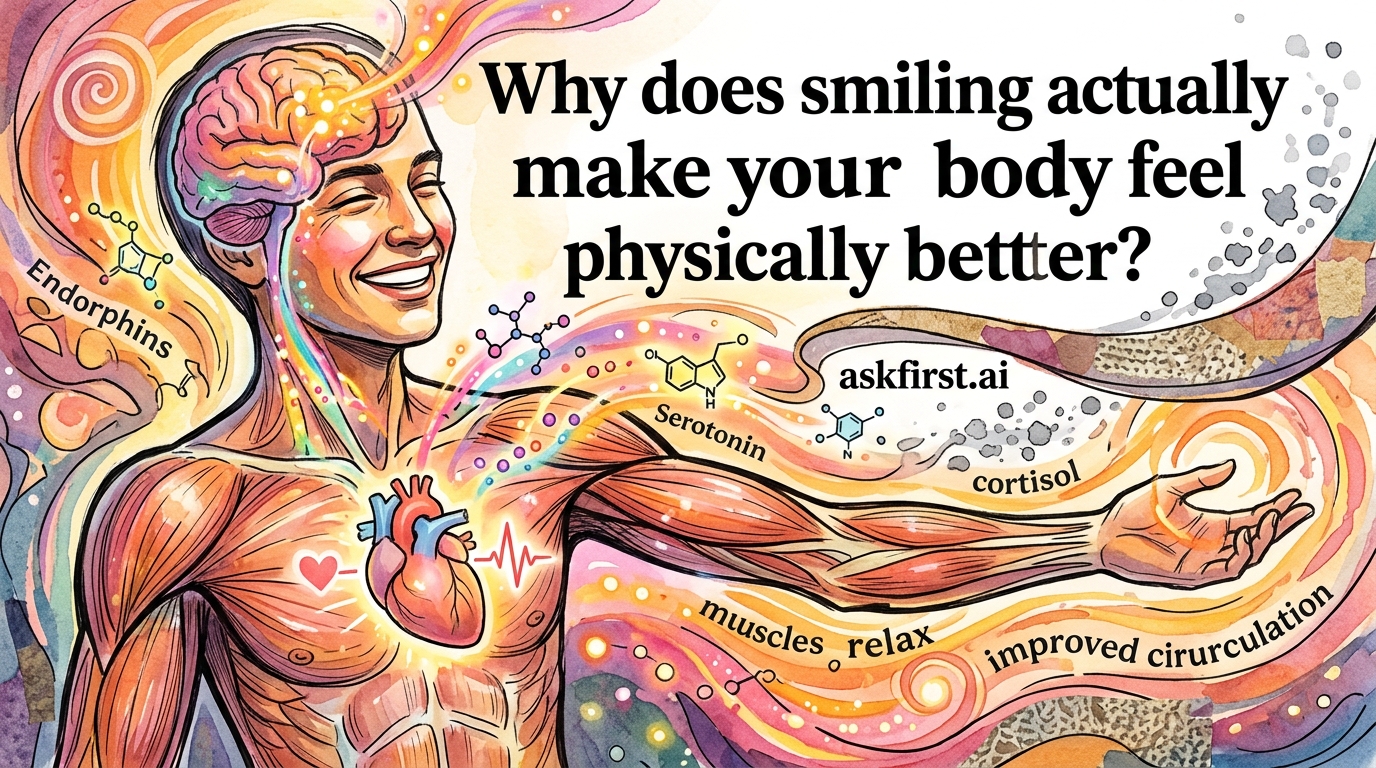
When a smile occurs, the brain releases a potent cocktail of neurochemicals, including dopamine, endorphins, and serotonin.
- Dopamine: Often called the reward molecule, dopamine promotes feelings of motivation and pleasure.
- Endorphins: Acting as natural painkillers, these molecules provide a sense of well-being and decrease physical discomfort.
- Serotonin: This chemical acts as an antidepressant, helping to stabilize mood and regulate anxiety levels.
Conversely, the production of cortisol and adrenaline—the primary hormones associated with the "fight-or-flight" stress response—is significantly reduced. By shifting the body from a state of physiological stress to a state of relaxation, smiling acts as an internal regulator that recalibrates the autonomic nervous system.
Impact on the Cardiovascular System
Beyond neurochemistry, smiling has a measurable impact on heart health. Clinical research suggests that the physical act of smiling can lead to a decrease in blood pressure and a lower heart rate. By engaging the parasympathetic nervous system—the 'rest and digest' system—smiling effectively counteracts the chronic sympathetic 'stress' response that characterizes modern, high-pressure environments. Over time, this regulation of cardiovascular markers can contribute to improved arterial health and reduced systemic strain on the heart muscle.
The Social-Biological Connection
Humans are biologically hardwired to interpret smiles as signals of safety and social cohesion. This is rooted in mirror neuron activity. Mirror neurons fire both when an individual performs an action and when they observe another individual performing that same action. When a person smiles, they are not only improving their own physiological state but are also triggering a subconscious, mirroring response in the person they are interacting with. This creates a feedback loop of social bonding, which further stimulates oxytocin production—often referred to as the 'bonding hormone.' This biological synchronization helps reduce social anxiety and fosters an environment of mutual trust.
Myths and Scientific Reality
It is a common misconception that one must feel 'truly happy' before the biological benefits of smiling manifest. Research has demonstrated that forced smiles—those initiated intentionally without an underlying positive trigger—can yield nearly identical physiological benefits to spontaneous, genuine smiles (Duchenne smiles). The brain often struggles to distinguish between a social performance and an internal emotional state when receiving sensory input from the facial muscles. Therefore, the act of smiling serves as an effective 'bio-hack' to influence mood rather than merely reflecting it.
Long-Term Benefits and Practical Application
Incorporating intentional smiling into daily routines, even during periods of stress or melancholy, can lead to long-term neuroplastic changes. The brain thrives on repetitive patterns. By consistently signaling to the brain that the body is in a state of calm and pleasure, individuals can strengthen the neural pathways associated with positive affect. This cognitive restructuring allows for increased resilience against stress.
To optimize these biological benefits, consider the following:
- Consistency: Practice micro-smiling throughout the day.
- Duration: Hold a smile for at least 15 to 30 seconds to allow the neurochemical feedback loop to fully engage.
- Mindfulness: Focus on the sensation of the facial muscles, which anchors the individual in the present moment, effectively breaking patterns of ruminative thinking.
In summary, the physical act of smiling is a fundamental mechanism of human self-regulation. It is a biological key that unlocks an internal pharmacy, reducing stress, modulating heart rate, and strengthening social bonds. By understanding the mechanical and chemical processes behind this movement, it becomes clear that smiling is not just an expression of the mind, but a vital tool for maintaining the health of the entire organism.