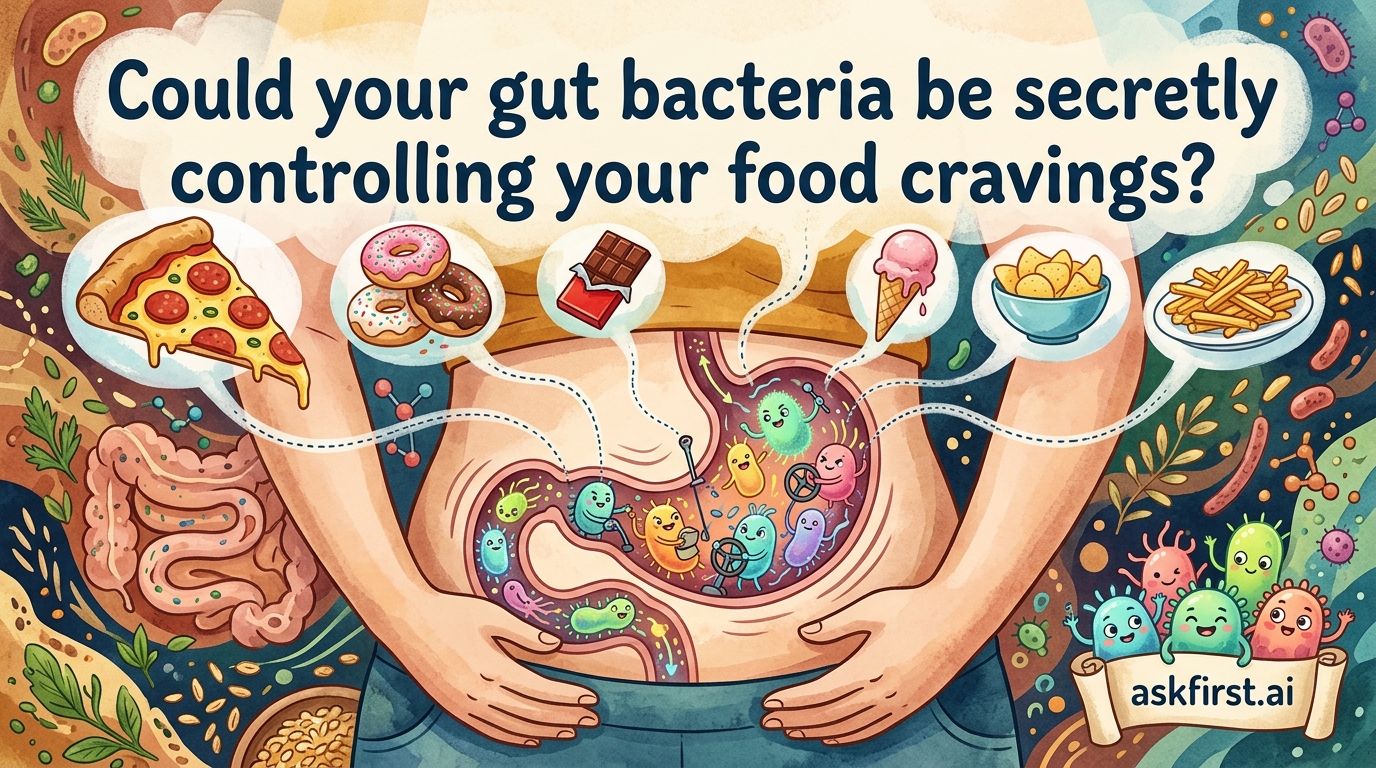
The Invisible Drivers of Appetite
The human body is far more than a collection of cells operating under the command of the brain. Within the digestive tract resides an incredibly complex ecosystem known as the gut microbiome, consisting of trillions of bacteria, fungi, and viruses. Emerging scientific research suggests that these microorganisms are not mere passengers; they act as active participants in the regulation of host metabolism and behavior, including the profound influence they exert over dietary choices and food cravings. This biological phenomenon is often described as the 'gut-brain axis,' a bidirectional communication highway that allows microbes to signal the brain.
How Microbes Influence Cravings
Microbes have evolved to thrive in specific chemical environments. Because different species of bacteria prefer different nutrients—some thriving on fiber, others on simple sugars—they have developed strategies to encourage the host to consume the fuels they need to flourish. This process is orchestrated through several sophisticated mechanisms:
- Production of Neurotransmitters: Gut bacteria can synthesize chemical messengers identical to those found in the human nervous system. For instance, specific species produce serotonin, dopamine, and gamma-aminobutyric acid (GABA), all of which play critical roles in mood regulation and reward-seeking behavior. By manipulating these levels, bacteria can modulate the host's feelings of satisfaction or desire for specific foods.
- Manipulation of Vagus Nerve Signaling: The vagus nerve serves as the primary physical bridge between the gut and the brain. Research published in reputable journals suggests that bacterial metabolites can stimulate this nerve to send 'satiety' or 'hunger' signals to the hypothalamus, effectively nudging the brain toward certain types of calories.
- Chemosensory Receptors: Some bacteria may alter the sensitivity of taste receptors on the tongue or within the gut lining, making high-sugar or high-fat foods appear more palatable than nutrient-dense, fiber-rich alternatives.
The 'Survival of the Fittest' Microbiota
When a diet is consistently high in processed sugars or saturated fats, the microbiome composition shifts to favor opportunistic species that thrive on these substances. This creates a self-reinforcing feedback loop. As these 'sugar-loving' bacteria proliferate, they may produce signals that trigger cravings for the very nutrients required for their own survival. Conversely, an individual who maintains a diet rich in prebiotic fibers encourages a diverse population of beneficial microbes, such as Bifidobacterium and Lactobacillus, which contribute to systemic health and stable blood sugar regulation. This reality implies that dietary willpower is not purely a psychological trait but a biological state influenced by the internal ecosystem.
Can You Reclaim Control?
The revelation that microbes might be 'in control' does not imply a lack of human agency. Instead, it offers a roadmap for behavioral change through nutritional intervention. Because the microbiome is dynamic and responsive to environmental inputs, shifting the composition of the gut flora is possible through strategic dietary adjustments.
Actionable Strategies for a Balanced Microbiome:
- Prioritize Dietary Diversity: Consuming a wide range of plant-based foods, such as legumes, nuts, seeds, and various vegetables, provides a broad spectrum of fibers that support a diverse microbial community.
- Integrate Fermented Foods: Including yogurt, kefir, kimchi, and sauerkraut provides the system with transient, beneficial bacteria that help crowd out less desirable species.
- Reduce Refined Sugars: Minimizing intake of ultra-processed snacks reduces the competitive advantage of bacteria that thrive on simple carbohydrates, gradually curbing the chemical signaling for junk food.
- Mindful Consumption: Paying attention to physical hunger versus cravings can help decouple the instinctual drive generated by microbes from conscious dietary decisions.
The Future of Nutritional Science
The field of 'microbiota-gut-brain axis' research is one of the most rapidly expanding domains in modern biology. As scientists map the specific metabolites produced by various species, the potential for personalized nutrition becomes clearer. Future interventions may involve targeted probiotics—or 'psychobiotics'—designed specifically to modify appetite signaling, helping individuals reach and maintain healthy weights with greater ease. Recognizing that the digestive system acts as a second, subconscious manager of dietary behavior shifts the focus from simple calorie restriction to holistic ecological management of the human body. In this view, eating a balanced, whole-food diet is the most effective way to communicate with one's inner community, ensuring the signals being sent to the brain are those that support vitality and long-term health rather than the chaotic demands of a sugar-deprived, dysbiotic microbiome.