The Eternal Nature of Honey: Nature's Perfect Preservation
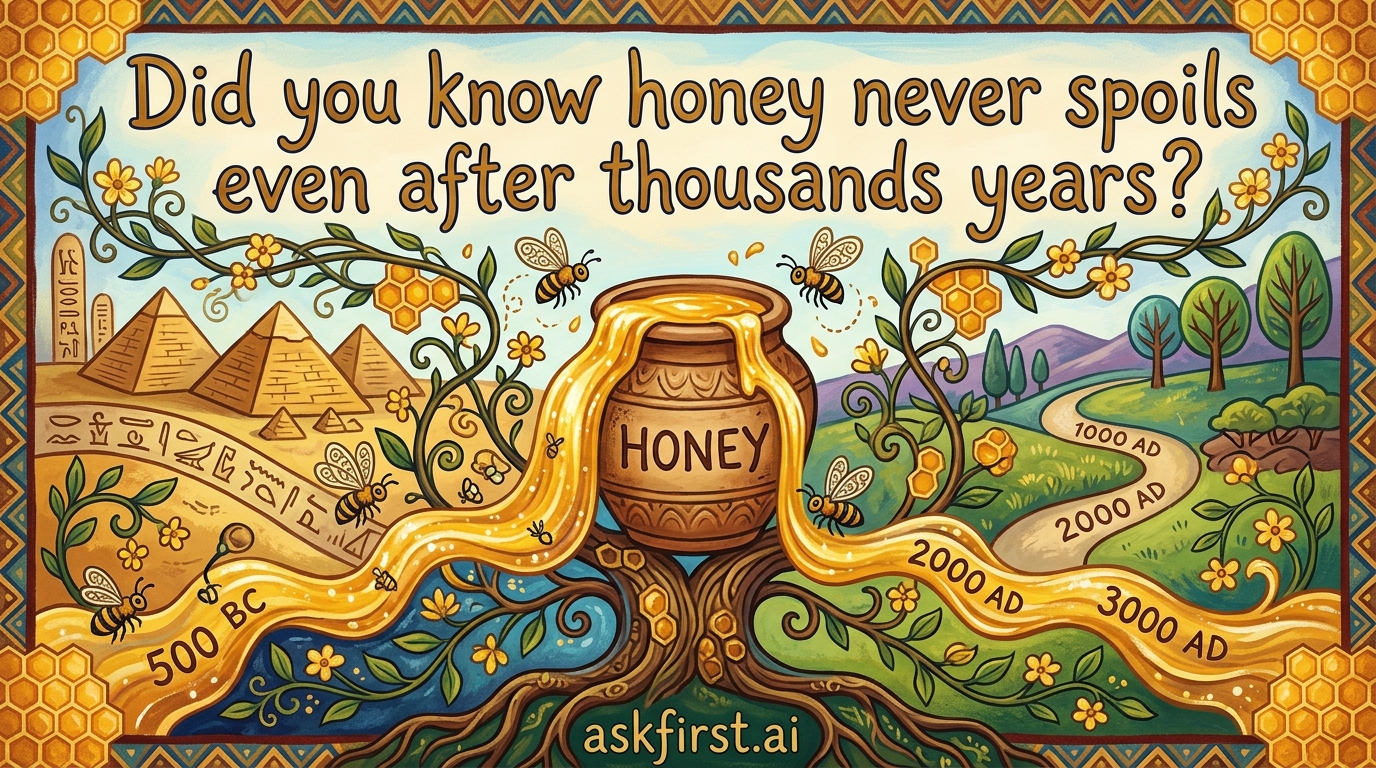
Honey, the golden nectar produced by honeybees from the floral nectar of plants, is often described as the only food that truly lasts forever. Archaeological excavations have unearthed pots of honey in ancient Egyptian tombs—some dating back over 3,000 years—that were still perfectly edible. This phenomenon is not magic; it is a masterpiece of biological and chemical engineering. Understanding why honey remains shelf-stable indefinitely requires exploring a unique combination of acidity, low moisture, and natural antimicrobial agents.
The Chemical Composition of Longevity
The secret behind honey's immortality lies in its specific chemical composition, which creates an environment where microorganisms simply cannot survive.
- Low Moisture Content: Honey is naturally hygroscopic, meaning it contains very little water in its natural state. Most bacteria and microorganisms require water to thrive and multiply. Because honey is so low in moisture, it essentially dehydrates any bacteria that attempt to colonize it, rendering them inactive.
- High Acidity: Honey has a pH level generally ranging between 3.2 and 4.5. This level of acidity is sufficient to inhibit the growth of most spoilage-inducing organisms.
- Hydrogen Peroxide Production: Perhaps the most fascinating aspect of honey is its production of hydrogen peroxide. When bees process nectar, they introduce an enzyme called glucose oxidase. When this honey is diluted or interacted with, the enzyme breaks down glucose into gluconic acid and hydrogen peroxide. This natural antiseptic agent is a potent deterrent for pathogens.
The Role of Bees in Preservation
Bees are not just gathering nectar; they are refining it into a stable food source for the colony. During the process of transforming nectar into honey, bees repeatedly regurgitate and fan the nectar with their wings. This physical fanning significantly reduces the water content to below 18 percent. This concentration of sugars creates a high osmotic pressure, which draws water out of microbial cells, effectively killing them through osmosis. This is why properly harvested honey is a stable, preserved energy source that can sustain a hive throughout the coldest winters.
Common Misconceptions and Reality Checks
While honey is technically immortal, there are specific factors that can alter its quality or appearance over time.
1. Crystallization is Not Spoilage
Many consumers mistakenly believe that honey has gone 'bad' when it becomes cloudy, grainy, or solid. This process is called crystallization. It is a natural physical change that occurs because honey is a supersaturated sugar solution. The glucose separates from the water and forms crystals. It does not affect the safety or the nutritional value of the honey. If crystallization occurs, simply placing the jar in a warm water bath will return it to its liquid, golden state.
2. Humidity is the Enemy
While honey is naturally low in moisture, it is also hygroscopic, meaning it absorbs moisture from the air. If a jar is left open in a humid environment, the honey can absorb enough water to reach a point where fermentation can occur. Proper sealing is the only requirement for keeping honey indefinitely.
Why Honey Remains a Scientific Wonder
Beyond its shelf life, honey has been utilized by various cultures throughout history for its medicinal properties. Due to its antimicrobial, anti-inflammatory, and antioxidant qualities, it has been used as a natural salve for minor wounds and burns for centuries. Modern science continues to study these properties, confirming that honey provides a protective barrier against external contaminants while maintaining a clean environment for skin tissue to heal.
Final Thoughts on Sustainability
The longevity of honey serves as a testament to the efficiency of the natural world. It is a food source designed by evolution to withstand the rigors of time, providing a concentrated form of carbohydrates and enzymes that support life in the most challenging conditions. When storing honey, there is no need for artificial preservatives or complex chemical stabilizers; nature has already provided everything necessary for it to remain a perfect, shelf-stable product for future generations to enjoy. Always ensure your honey is stored in an airtight container away from direct sunlight, and it will essentially remain as fresh as the day it was harvested, regardless of how many decades pass.