The Eternal Nature of Honey: Nature's Perfect Preservation Miracle
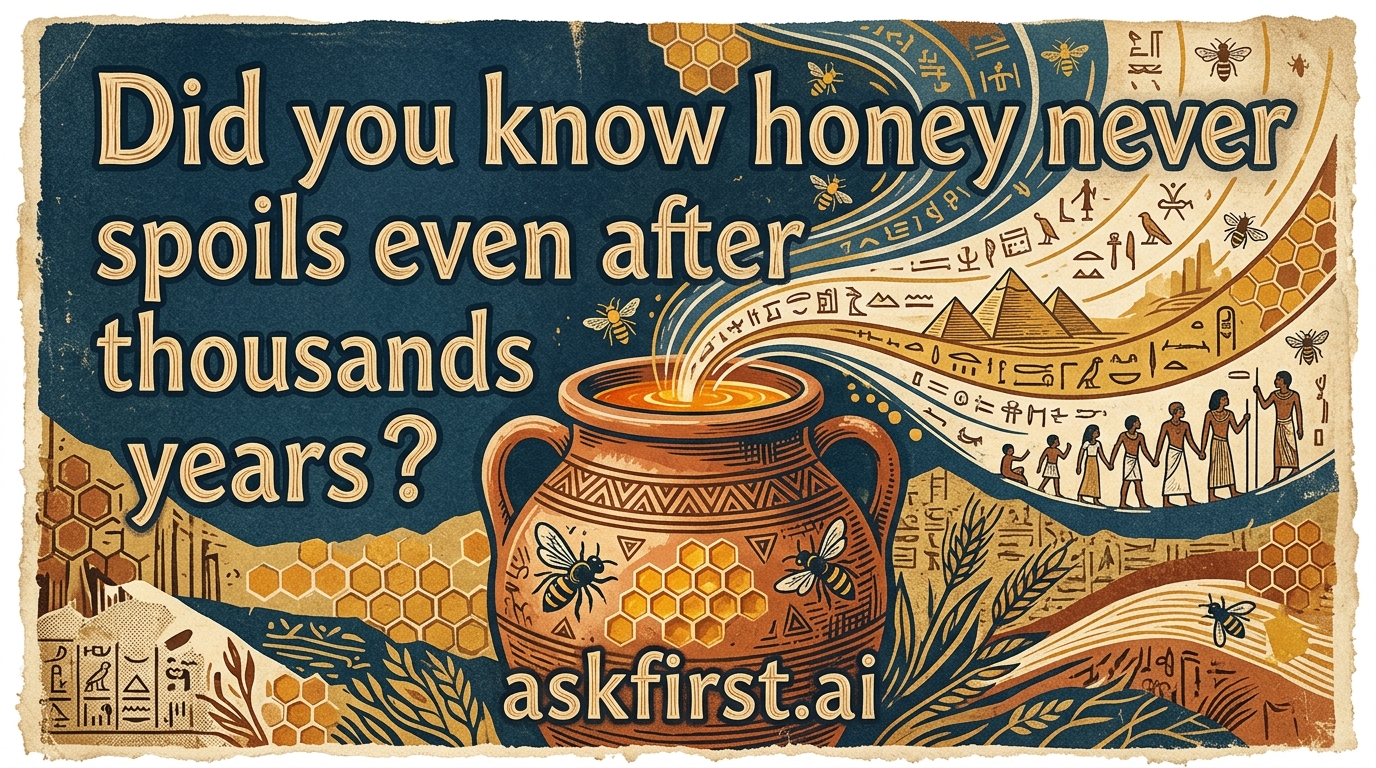
Honey is often described as the only food that truly lasts forever. Archaeologists excavating ancient Egyptian tombs have famously discovered pots of honey that are thousands of years old, yet they remain perfectly edible. This phenomenon is not magic; it is a complex, fascinating intersection of chemistry, biology, and physics. To understand why honey defies the passage of time, one must look at the unique environmental conditions created by bees and the specific chemical composition of the substance itself.
The Chemical Defenses: Why Bacteria Cannot Survive
Bacteria and microorganisms require moisture to thrive and reproduce. Honey is naturally hygroscopic, meaning it contains very little water in its natural state. Furthermore, honey possesses high concentrations of sugar, which creates osmotic pressure. When a microbe attempts to invade honey, the high sugar concentration draws the moisture out of the microbial cells, effectively dehydrating and neutralizing them. This osmotic pressure makes it nearly impossible for pathogens to grow or survive within the jar.
The Role of Hydrogen Peroxide
Beyond osmotic pressure, bees introduce an enzyme during the process of creating honey called glucose oxidase. When bees deposit nectar into the honeycomb, this enzyme mixes with the nectar to break down glucose into gluconic acid and hydrogen peroxide. Hydrogen peroxide is a well-known antimicrobial agent, and its presence acts as a chemical shield, preventing the growth of bacteria, fungi, and molds. It is essentially a self-sterilizing substance created by the insect kingdom.
The Acidic Environment
Another critical factor is the pH level of honey. Honey is inherently acidic, typically ranging between 3 and 4.5 on the pH scale. Most bacteria and microorganisms prefer a neutral or slightly alkaline environment to flourish. The acidic nature of honey serves as an additional barrier against spoilage. Combined with the high sugar content and the presence of hydrogen peroxide, this acidity creates a hostile environment that few living organisms can withstand.
The Necessity of Proper Storage
While honey is technically eternal, it can undergo physical changes if stored improperly. Crystallization is a common occurrence where the glucose sugars separate from the water, turning the liquid honey into a solid, granular state. This is not a sign of spoilage; it is a natural chemical process related to the temperature at which honey is stored. To return honey to its liquid state, it simply needs to be gently warmed in a water bath. Furthermore, honey is sensitive to moisture. If a jar is left open in a humid environment, it will absorb water from the air. If the water content rises above 18 percent, the chemical balance shifts, potentially allowing yeast to ferment and spoil the honey. Therefore, the secret to the immortality of honey lies in airtight storage.
Historical Significance and Cultural Impact
Throughout human history, various civilizations recognized the unique properties of honey. Beyond its use as a sweetener, ancient cultures utilized honey as a medicinal dressing for wounds and burns. Its antibacterial properties, combined with its ability to seal wounds from the air, made it an ideal topical treatment before the invention of modern pharmaceuticals. The durability of honey allowed it to serve as a stable food reserve for nomadic peoples and a luxury trade item that could be transported across vast distances without the risk of decay.
A Masterclass in Biological Engineering
It is truly awe-inspiring to consider that honey is a product of intense biological labor. Honeybees must visit millions of flowers to gather enough nectar to produce a single pound of honey. They then engage in a systematic process of dehydration by fanning their wings to evaporate excess water, refining the substance until it meets the specific criteria for shelf-stable food. This evolution-perfected process demonstrates that nature is the most sophisticated engineer, capable of creating a food source that transcends the limitations of biological decay. Whether sitting in a modern pantry or resting in the silent chambers of an ancient pyramid, honey remains a testament to the endurance of nature's design.