The Hygiene Hypothesis and the Immune System: A Nuanced Perspective
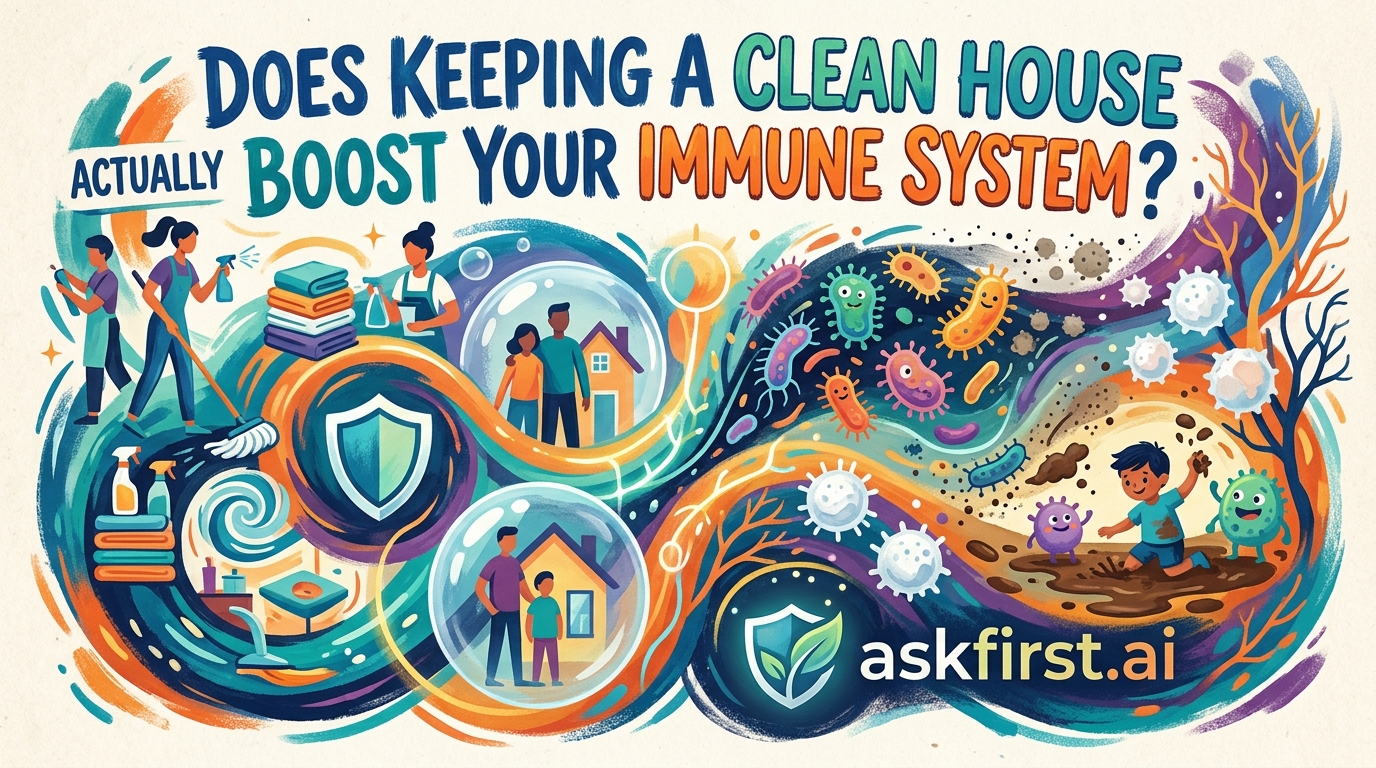
The relationship between a clean living environment and the human immune system is a subject of intense scientific debate. While the common perception suggests that a "cleaner" home is inherently better for our health, the reality is far more complex. The biological interaction between our bodies and our surroundings is dictated by the "Hygiene Hypothesis"—a concept first proposed by British epidemiologist David Strachan in 1989. Strachan observed that children from larger families, who were presumably exposed to more germs through their siblings, suffered from fewer allergies and autoimmune conditions than those from smaller, more isolated households.
Understanding whether a clean house boosts your immune system requires us to distinguish between dangerous pathogens and the vast array of harmless, or even beneficial, microbes that populate our world.
The Biological Necessity of Microbial Exposure
Our immune system is not a static organ; it is a dynamic, learning entity that requires regular "training." From the moment of birth, our bodies are colonized by trillions of microorganisms, collectively known as the human microbiome. This internal ecosystem, particularly in the gut, plays a critical role in educating our T-cells—the white blood cells responsible for identifying and neutralizing threats.
When a home environment is excessively sanitized, we risk what immunologists call "microbial deprivation." If the immune system is never challenged by common environmental bacteria, fungi, or parasites, it may become hyper-reactive. This is when the body begins to mistakenly identify harmless proteins, such as pollen or pet dander, as lethal invaders, leading to the development of asthma, eczema, and hay fever. In his book An Epidemic of Absence, author Moises Velasquez-Manoff explains that by sterilizing our homes with aggressive chemicals, we may be inadvertently handicapping our immune system's ability to regulate inflammation.
The Difference Between "Clean" and "Sterile"
To address the question of whether a clean house boosts immunity, we must draw a sharp line between removing dangerous pathogens and eliminating all microbial life.
- Removing Pathogens: Cleaning is undoubtedly beneficial when it targets high-risk contaminants. For example, disinfecting surfaces after a family member has had the flu, or cleaning kitchen counters to prevent salmonella or E. coli contamination, is a vital public health practice. This type of "targeted hygiene" reduces the burden of infectious disease without necessarily harming the immune system’s training process.
- Over-Sanitization: The danger arises when individuals use broad-spectrum antibacterial soaps and heavy-duty bleach for routine cleaning. These chemicals not only kill harmful bacteria but also destroy the commensal microbes that help maintain a balanced home environment. According to researchers at the University of Chicago’s Microbiome Center, the overuse of antibiotics and disinfectants can lead to a loss of microbial diversity, which is directly linked to an increase in chronic inflammatory diseases.
Environmental Factors: Dust and Biodiversity
A "clean" house is often synonymous with a dust-free house. However, recent studies suggest that the composition of household dust matters more than the quantity. Dust is essentially a collection of skin cells, pet hair, fibers, and—crucially—microbial fragments from the outside world.
Research published in the New England Journal of Medicine regarding the Amish and Hutterite farming communities highlights this beautifully. These studies demonstrated that children raised in farm environments, where they are exposed to a high diversity of animal-derived microbes in the dust, show significantly lower rates of asthma. The takeaway is that a "clean" house should not be a sealed, sterile box. Opening windows to allow airflow and bringing in natural elements can actually diversify the indoor microbiome, which provides the immune system with the necessary environmental data to function correctly.
Practical Guidelines for a Healthy Home
Maintaining a healthy home environment is about balance rather than perfection. Here are concrete strategies to support your immune system while keeping your living space safe:
- Prioritize Targeted Cleaning: Focus your disinfecting efforts on "hot zones"—kitchen sinks, cutting boards, and bathroom fixtures—rather than bleaching every surface in the house.
- Ditch Harsh Chemicals: Many common household cleaners contain volatile organic compounds (VOCs) that can irritate the respiratory system and actually induce the very inflammation you are trying to avoid. Use mild soaps and water for most surfaces.
- Encourage Ventilation: Stagnant air allows for the buildup of mold and allergens. Regular air exchange is one of the most effective ways to maintain a healthy, balanced home environment.
- Embrace "Good" Dirt: If you have pets or a garden, allowing this biological diversity into your home helps "train" your immune system, particularly in early childhood development.
Conclusion: The Goal of Homeostasis
Ultimately, keeping a clean house does not inherently "boost" the immune system in the sense of making it stronger or more aggressive. Instead, the goal should be to maintain a home environment that promotes homeostasis—a state of balance.
If your home is a source of acute infection, cleaning is a biological necessity. However, if your cleaning regimen is driven by a fear of all microbes, you may be doing more harm than good. A healthy immune system thrives on diversity, not sterility. By focusing on hygiene that removes genuine health threats while allowing for the natural microbial presence that has co-evolved with humanity, you create an environment that supports, rather than compromises, your long-term health.