The Eternal Nature of Honey: A Chemical Marvel
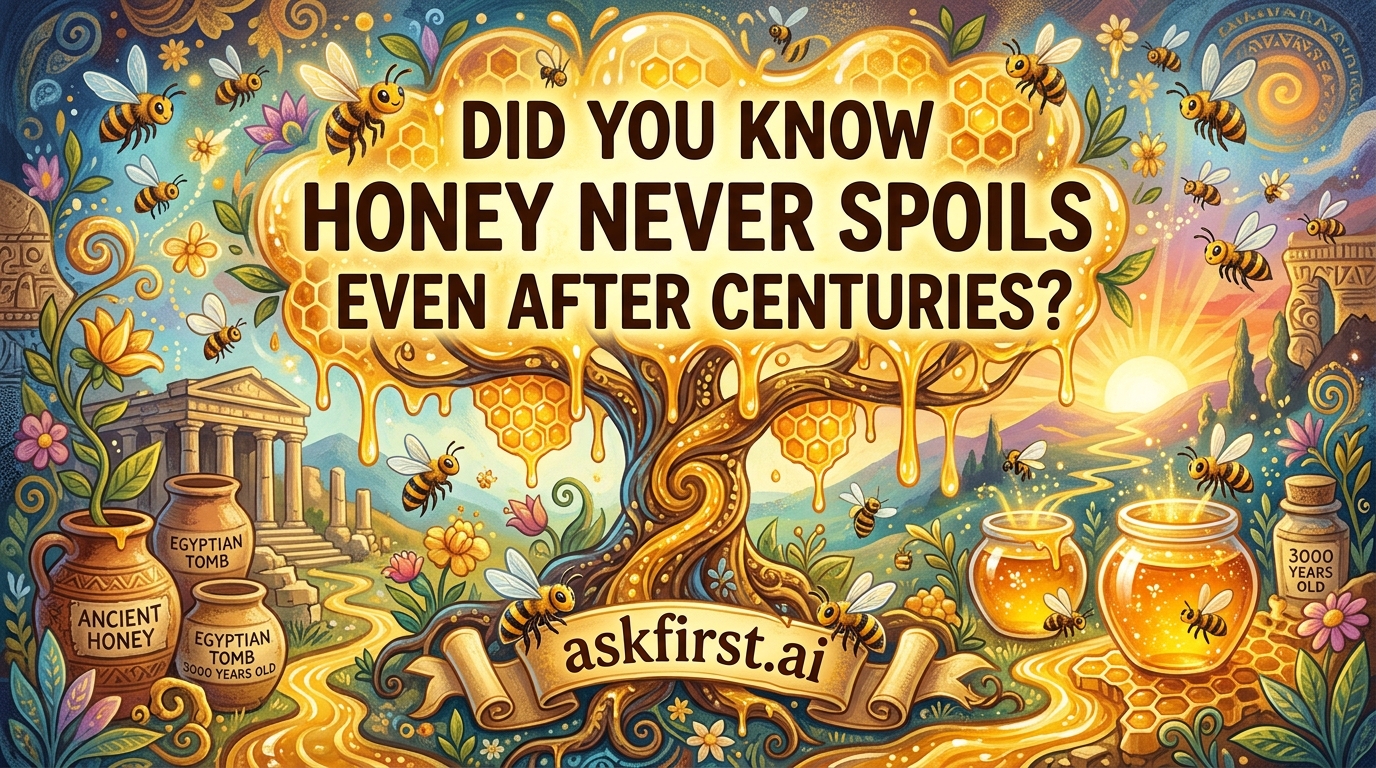
Honey is one of the few natural food substances that possesses an almost infinite shelf life. Archaeologists have famously discovered pots of honey in ancient Egyptian tombs—some dating back over 3,000 years—that remain perfectly edible. This phenomenon is not mere luck; it is the result of a precise, complex orchestration of chemistry, biology, and environmental factors provided by nature.
The Science Behind the Preservation
The longevity of honey is primarily attributed to three unique properties that create an environment where bacteria, fungi, and mold cannot survive. These factors work in synergy to protect the substance from spoilage.
Low Moisture Content: Honey is hygroscopic, meaning it has a very low water content and actively absorbs moisture from the air. Bacteria and other microorganisms require water to survive and thrive. Because honey holds water molecules so tightly in the sugar solution, there is virtually no 'free water' available for these microbes to utilize.
Acidity: Honey is naturally acidic, with a pH typically ranging between 3.2 and 4.5. This level of acidity is sufficient to inhibit the growth of most spoilage-inducing organisms, acting as a natural chemical barrier against decay.
Hydrogen Peroxide Content: Perhaps the most fascinating aspect of honey is its enzymatic creation of hydrogen peroxide. When bees produce honey, they add an enzyme called glucose oxidase. When this enzyme meets the glucose in the honey, it creates gluconic acid and hydrogen peroxide. This substance acts as an effective antiseptic, killing potential contaminants upon contact.
The Role of the Honeybee
The process begins with the worker bee. Nectar collected from flowers is about 60-80% water. Through a process of regurgitation and rapid wing-fanning within the hive, the bees evaporate the excess water until the honey reaches a concentration that is inhospitable to life. This 'dehydration' process is a masterclass in biological engineering. By reducing the water content to below 18%, bees create an environment where most bacteria find it impossible to flourish.
Common Myths vs. Reality
A frequent misconception is that honey 'goes bad' if it crystallizes or changes color. In reality, crystallization is a sign of purity, not spoilage. Raw, unpasteurized honey contains pollen grains and traces of beeswax, which act as nuclei for sugar crystals to form. If your honey turns solid or cloudy, it has not spoiled; it has simply undergone a natural physical change. Placing the jar in a warm water bath will return it to a liquid state without damaging its nutritional profile.
Why Honey Matters for Humanity
Beyond its resistance to time, honey has been utilized for millennia for its medicinal properties. The Ancient Greeks utilized it as a salve for wounds, and modern medicine has begun to rediscover 'medical-grade' honey—specifically Manuka honey—for its antimicrobial capabilities. Because it creates an osmotic effect, it can draw moisture out of bacteria, effectively dehydrating and killing pathogens in an infected wound site without the toxicity associated with some synthetic treatments.
Proper Storage Guidelines
While honey is technically eternal, improper storage can influence its sensory quality. To ensure honey retains its flavor, color, and texture, follow these expert-approved guidelines:
Use Airtight Containers: Always store honey in glass or food-grade plastic jars. Since it is hygroscopic, exposure to open air can lead to moisture absorption, which could potentially raise the water content enough to allow yeast fermentation over long periods.
Keep it Cool and Dark: While honey does not need refrigeration, storing it in a cool, dark place prevents the degradation of its delicate enzymes and flavor compounds caused by light and heat exposure.
Avoid Metal Contamination: Certain metals can react with the acidity of honey over long periods. Stainless steel is generally safe, but glass is always the preferred standard for long-term storage.
Conclusion: The Resilience of Nature
Honey serves as a brilliant reminder of nature's efficiency. It stands as a testament to the fact that when components are balanced perfectly—low water, high sugar, specific pH, and enzymatic protection—the biological decay cycle is effectively halted. Whether it is enjoyed on toast or stored in a pantry for decades, honey remains one of the few items on Earth that essentially ignores the passing of time.