The Neurological Symphony: Why Music Shapes Perception
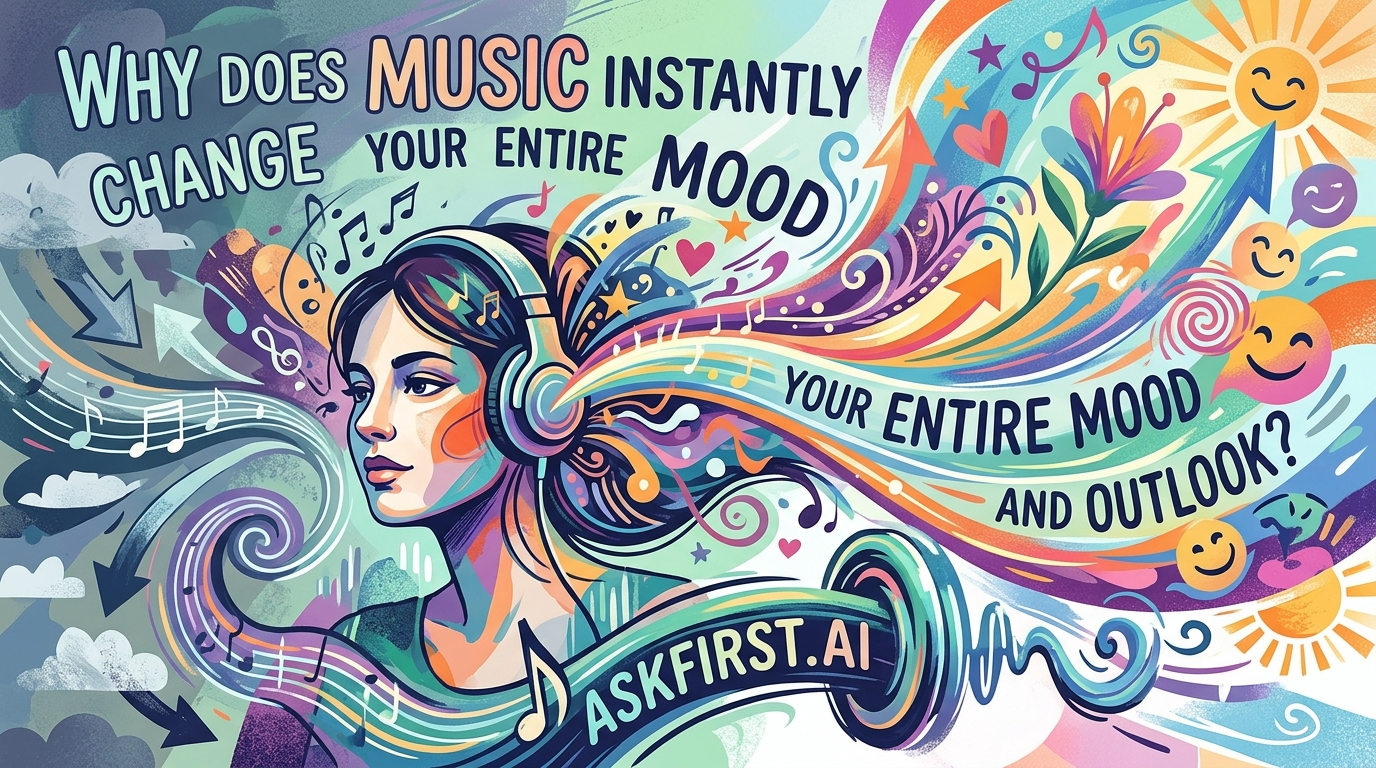
Music is far more than an auditory sequence of frequencies; it is a profound psychological and biological phenomenon that governs human emotion. When a melody resonates, it initiates a complex chain reaction in the brain that bypasses conscious filtering, delivering an immediate impact on the limbic system, which houses the emotional regulation centers. This instant shift in outlook occurs because sound waves are transformed into electrochemical signals that traverse the brain, stimulating multiple regions simultaneously.
The Limbic System and Emotional Priming
The amygdala and hippocampus, responsible for processing emotional response and memory, are heavily influenced by rhythmic and tonal patterns. Research indicates that when listening to familiar music, the brain enters a state of synchronicity. If the music features a major key, the brain often associates these acoustic structures with positive emotional valence. Conversely, minor keys or discordant sounds may trigger introspection. This is not merely a preference; it is a survival mechanism. Our ancestors relied on recognizing auditory patterns in nature—a low growl or the chirping of birds—to determine safety or danger. Modern music exploits these primal neurological pathways, acting as a shortcut to emotional stability.
Dopaminergic Release: The Chemistry of Rhythm
One of the most potent triggers for mood elevation is the release of dopamine in the striatum. When listeners anticipate a 'musical climax' or a specific chord progression, the brain releases dopamine, the same neurotransmitter associated with reward, motivation, and physical pleasure. This phenomenon, often referred to as the 'musical chill' or frisson, explains why a single song can rectify an entire day of cognitive fatigue. The predictability and surprise elements in musical structure act as a feedback loop that rewards the listener for engagement.
- Rhythmic Entrainment: The human brain naturally synchronizes to external rhythms. This is why faster tempos increase alertness, while slow, steady beats facilitate relaxation and lower cortisol levels.
- Cognitive Reframing: Music provides a narrative structure. If an individual feels overwhelmed, a piece of music can act as an anchor, redirecting focus away from negative rumination and toward aesthetic appreciation.
Psychological and Social Anchoring
Beyond basic biology, music serves as an 'autobiographical trigger.' We often associate specific songs with pivotal life events. When these songs play, the brain retrieves the emotional state of that memory. This is known as the 'Reminiscence Bump.' Because music is often listened to during highly emotional formative years, it maintains a permanent connection to our sense of identity. By playing a song associated with success or tranquility, the brain is essentially 'primed' to emulate those feelings in the present moment.
Why This Connection Remains Evergreen
The relationship between sound and human psychology is universal and immutable. Regardless of cultural context, the fundamental human response to rhythm and harmony remains a constant pillar of existence. The ability to use sound as a tool for emotional regulation is a permanent feature of our species.
- Stress Reduction: Consistent exposure to rhythmic music lowers heart rate and respiratory speed.
- Performance Enhancement: Athletes and professionals utilize specific tempos to induce 'flow states,' where consciousness blends with action.
- Resilience Building: Music provides a non-verbal method to process complex emotions, offering catharsis when words fail.
Ultimately, the instantaneous change in mood is a testament to the brain's fluidity. We are biologically wired to respond to sonic stimuli as if it were a physical environment. By choosing the right musical tapestry, one effectively rearranges their internal landscape. Music is not merely an accompaniment to life; it is a structural component of the human experience that allows for rapid, deliberate emotional evolution.