The Olfactory Connection: How Partners Influence Sleep Quality
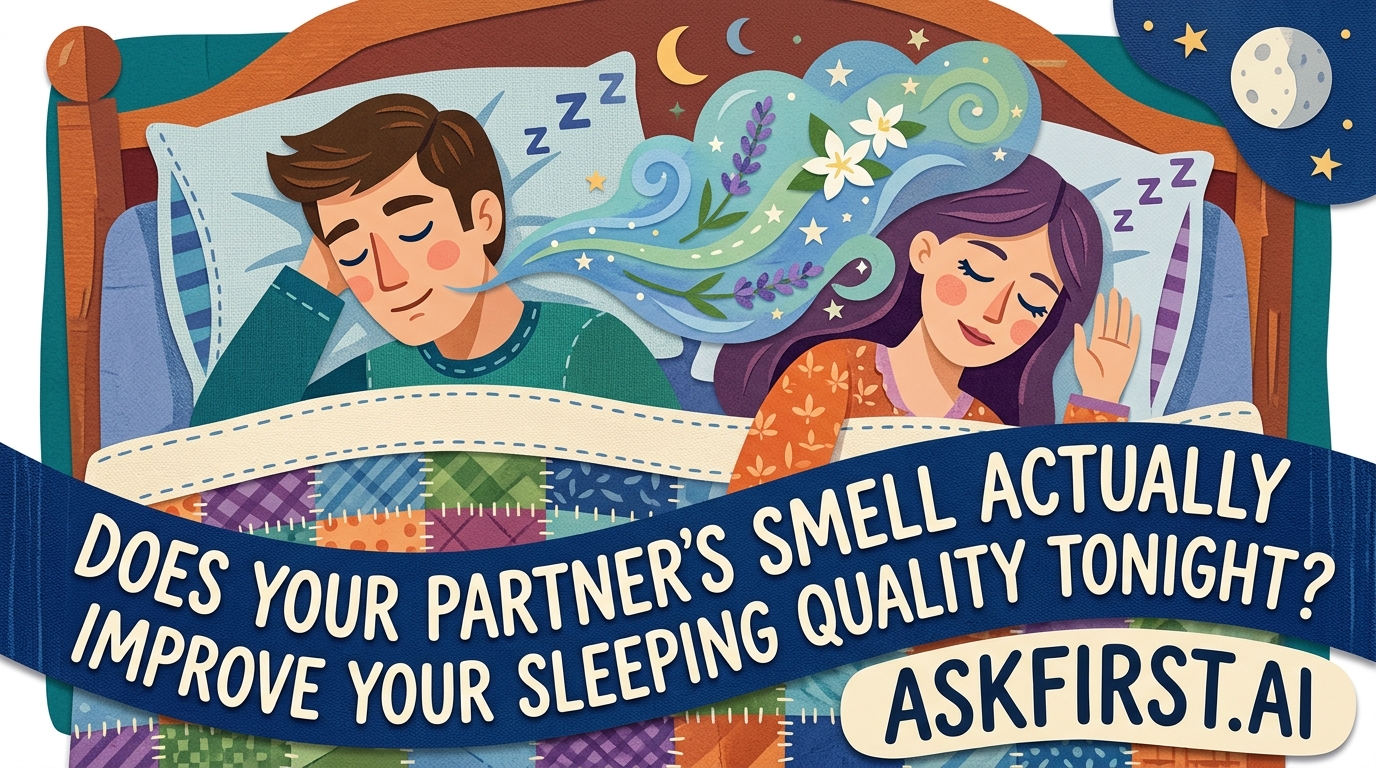
Recent scientific investigations into human behavior and neurobiology have revealed a fascinating, often overlooked contributor to sleep hygiene: the scent of a romantic partner. The human olfactory system, often considered less significant than sight or sound, plays a profound role in emotional regulation and physiological comfort, directly impacting the restorative capacity of sleep.
The Neurobiology of Scent and Security
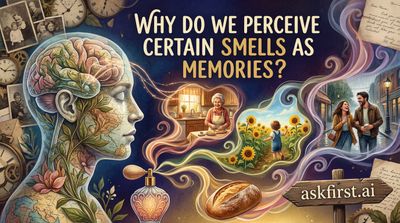
The sense of smell is uniquely connected to the limbic system, the brain's emotional center, which houses the amygdala and hippocampus. Unlike other sensory inputs, olfactory signals bypass the thalamus and travel directly to these areas. When a person encounters the familiar scent of a partner, the brain often perceives it as a signal of safety and companionship. This sensation acts as an evolutionary biological trigger, potentially lowering cortisol levels—the hormone associated with stress—and facilitating a smoother transition into deeper sleep cycles.
Research published by the University of British Columbia demonstrated that individuals exposed to their partner's scent throughout the night experienced significant improvements in sleep efficiency. Subjects who slept with a partner-scented garment reported feeling more rested, less anxious, and more emotionally secure. This suggests that the familiar fragrance functions as a "social sedative," grounding the individual in a state of perceived safety that is conducive to REM sleep.
Why Scent Matters More Than You Think
- Stress Reduction: The presence of familiar pheromones and body odors can decrease physical markers of stress. A reduction in physiological arousal is the precursor to healthy sleep architecture.
- Conditioned Response: Over time, the brain associates the partner's unique scent with relaxation and intimacy. This associative learning turns the aroma into a neurological cue to shut down for the night.
- Enhanced Emotional Regulation: Scent is a powerful mnemonic device. The presence of a loved one's smell can buffer against feelings of loneliness or nocturnal anxiety, preventing the "fight or flight" response from keeping the brain alert.
Common Myths vs. Scientific Reality
Many assume that silence or darkness are the only environmental factors that dictate sleep quality. However, the olfactory environment is just as critical. While artificial fragrances (like perfume or cologne) can sometimes be overstimulating, the natural "biometric" scent of a long-term partner is processed differently by the brain. It is not an invasive stimulus; rather, it is an integrated signal that the body interprets as part of the environment of security. Unlike loud noises or harsh light, which trigger alertness, the familiar scent serves as a natural anchor for the parasympathetic nervous system.
Optimizing the Sleep Environment
To leverage this phenomenon for better rest, consider these evidence-based strategies:
- Maintain Familiarity: Keep bedding or shared spaces smelling like home. Avoiding overly aggressive scented detergents can help maintain the natural scent profile of the environment.
- Proximity Matters: While physical closeness is ideal, even indirect contact with a partner’s scent—such as a piece of clothing or a dedicated pillow—can provide enough of a sensory trigger to offer the same emotional benefits.
- Consistency: The brain requires repeated exposure to solidify the association between a scent and the feeling of safety. Consistent nighttime routines involving sensory comfort help condition the body to prepare for rest more efficiently.
The Evolutionary Perspective
From an evolutionary standpoint, the ability to sleep peacefully while a partner is nearby indicates a highly social species. The biological urge to maintain proximity to "kin" is wired into human DNA. By sleeping within the scent radius of a partner, humans are essentially reverting to ancestral behaviors where social co-sleeping was a primary defense mechanism. While modern humans sleep in highly structured, safe environments, the ancient brain still demands these social markers to achieve the highest quality of physiological restoration.
Conclusion: The Future of Sleep Science
As sleep science advances, the focus is shifting from simple metrics like total hours slept to the qualitative aspects of "sleep harmony." The discovery that partner scent directly correlates to improved sleep quality highlights the necessity of treating the human sleep experience as an emotional and sensory journey rather than just a mechanical necessity. By understanding that our olfactory surroundings play a pivotal role in our nightly restoration, we can better design our sleeping habits to prioritize psychological comfort, ultimately leading to longer, deeper, and more rejuvenating nights of rest.