The Science of Eternal Sweetness: Understanding Honey's Longevity
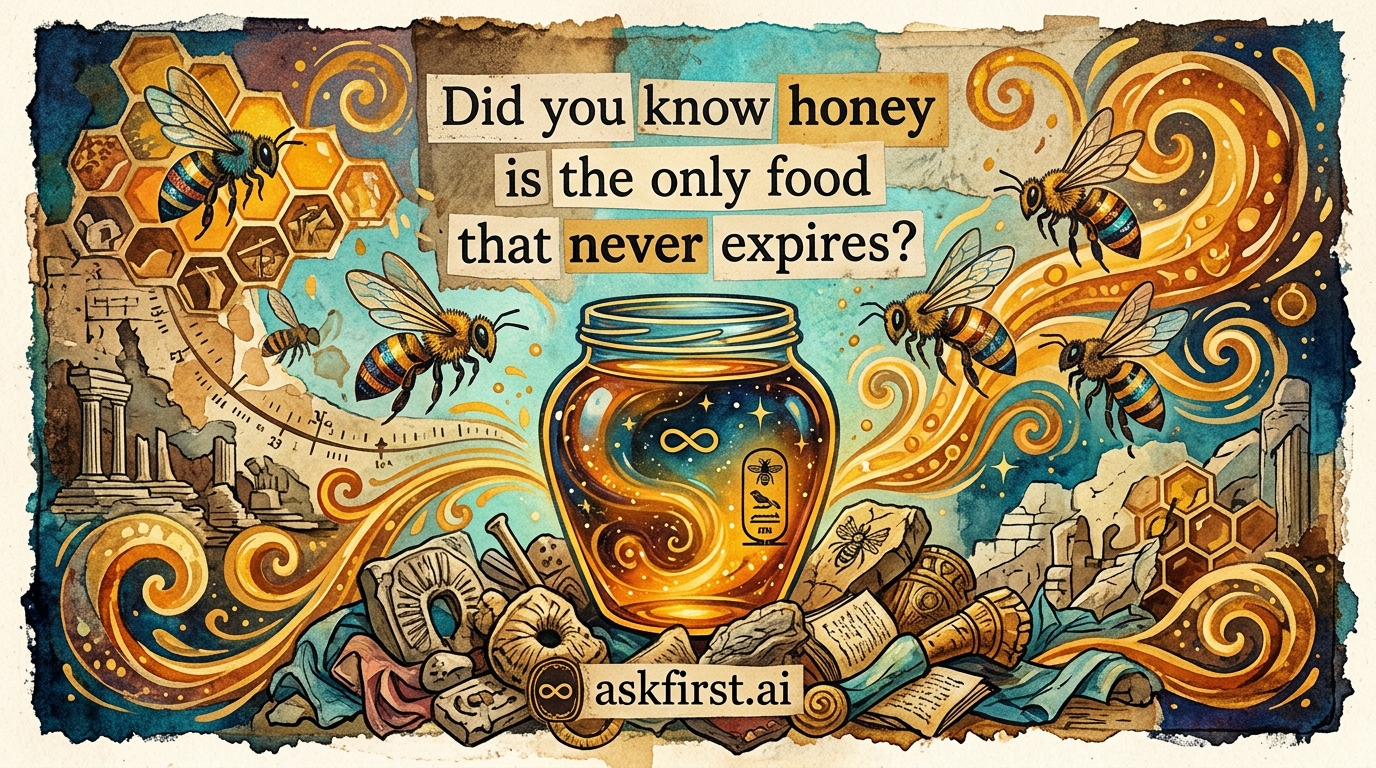
Honey, often referred to as 'liquid gold,' stands as a unique marvel in the culinary and biological world. It is the only food source that, when stored correctly, remains edible indefinitely. Archaeologists have famously discovered pots of honey in ancient Egyptian tombs that are thousands of years old and, remarkably, remain chemically intact. This longevity is not a myth but a result of precise chemical engineering performed by nature and honeybees.
Why Honey Never Expires: The Chemical Defense Mechanism
The secret to honey's eternal shelf life lies in a trifecta of factors: its acidity, its moisture content, and the presence of hydrogen peroxide. Understanding these elements provides a window into why this substance defies the natural laws of decomposition that affect all other organic matter.
- Extremely Low Moisture Content: Raw honey is naturally hygroscopic, meaning it contains very little water. Most bacteria and microorganisms require moisture to thrive and multiply. Because honey is so concentrated with sugar, it effectively dehydrates any bacteria that attempt to invade it. This osmotic pressure effectively 'mummifies' invaders, preventing spoilage.
- High Acidity: Honey possesses a pH level between 3.2 and 4.5. This level of acidity is sufficient to inhibit the growth of the vast majority of harmful pathogens that cause food to decay.
- Hydrogen Peroxide Production: When bees process nectar, they add an enzyme called glucose oxidase. When this enzyme meets the sugars in the honey, it slowly releases hydrogen peroxide, a powerful antibacterial agent. This internal barrier creates a sterile environment that is hostile to life forms that would otherwise decompose the food.
The Role of Honeybees: Nature's Master Chemists
The transformation of floral nectar into honey is a complex biological process. Honeybees collect nectar from flowers, which is largely water and complex sugars. Through the process of regurgitation and fanning their wings, the bees evaporate the water content down to less than 18 percent. This concentration is the tipping point that keeps honey shelf-stable. If a beekeeper harvests honey before the moisture is sufficiently reduced, it can ferment and spoil. Therefore, the perfection of honey is as much about the efficiency of the bees as it is about the chemistry of the nectar.
Can Honey Crystallize or Spoil?
It is common to confuse crystallization with spoilage. If honey turns cloudy, thick, or appears granular, it has simply undergone a physical change, not a biological one. This process, known as crystallization, occurs because glucose separates from the water in the honey, forming crystals. It is entirely safe to eat. To restore honey to its liquid state, one simply needs to place the jar in a warm water bath. Heating it gently dissolves the crystals without damaging the nutritional properties of the honey.
How to Store Honey for Infinite Shelf Life
While honey is technically eternal, it remains so only under specific conditions. Proper storage prevents contamination and preserves the quality of the product:
- Keep it Airtight: Since honey is hygroscopic, it will absorb moisture from the air if left open. This can increase the moisture content to a level where yeast can survive and ferment the honey.
- Avoid Moisture Contamination: Never dip a used spoon back into a honey jar if that spoon has touched other foods. Crumbs or bread residue can introduce unwanted bacteria that might thrive in the micro-environment of the jar.
- Stable Temperatures: Store honey at room temperature in a cool, dark place. While freezing or refrigeration is possible, it is unnecessary and may encourage faster crystallization.
Conclusion
Honey remains a rare testament to nature's efficiency. Its ability to remain untouched by time is a fascinating reminder of how biological systems can create self-preserving structures. While other foods are tied to the timeline of their own decomposition, honey exists as a permanent artifact of its environment. Whether used as a natural sweetener, a medicinal balm for wounds, or a stable long-term food source, honey serves as one of the most remarkable substances on the planet. By respecting the chemical balance provided by the honeybees, humanity has unlocked a food source that truly transcends the limits of traditional storage.