The Harmony of Personality: Decoding the Science Behind Music Preferences
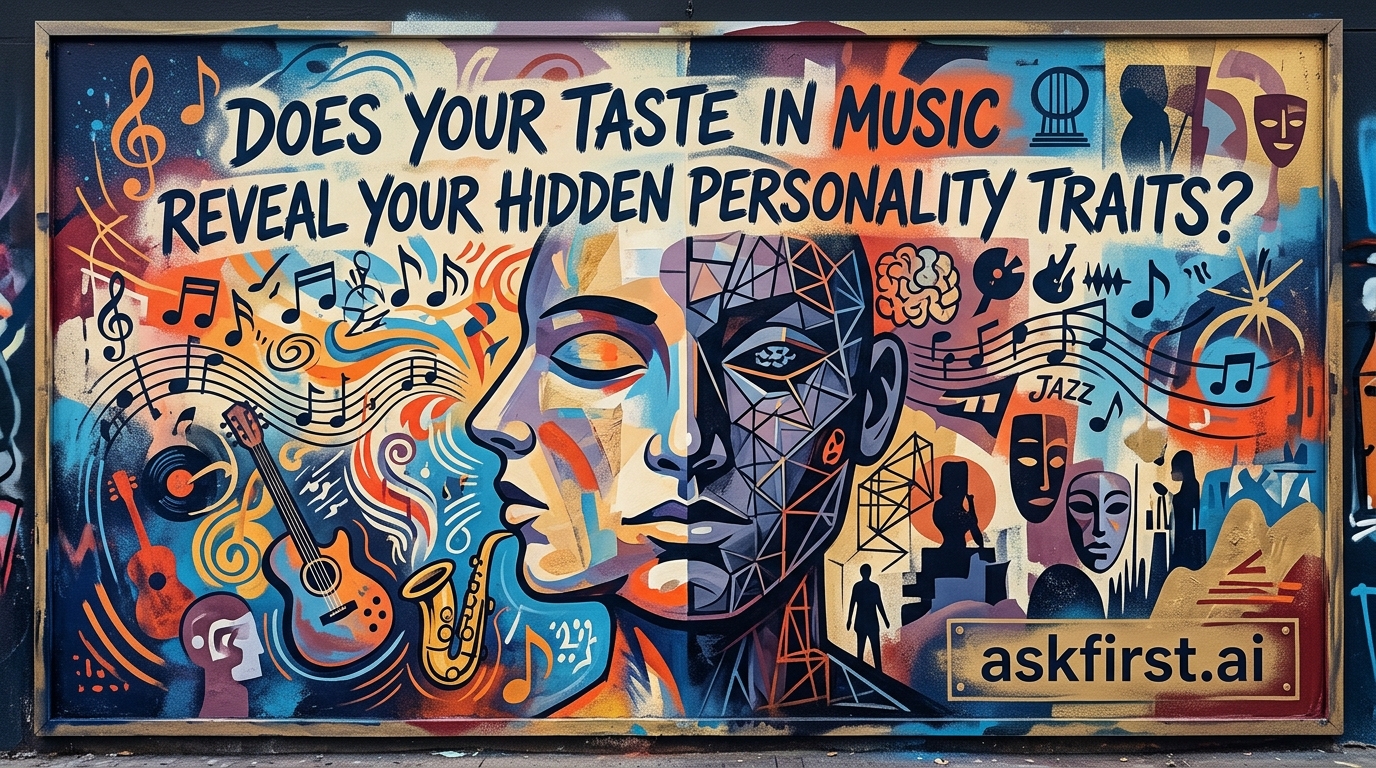
For decades, psychologists and musicologists have sought to understand why human beings gravitate toward specific sonic landscapes. The intersection of auditory stimuli and individual identity is far from coincidental; it is a profound reflection of the internal psychological architecture that governs behavior, cognitive processing, and emotional regulation. Research suggests that the music an individual listens to functions as a social signal and a window into the inner soul, revealing core dimensions of personality that are often kept hidden from the public eye.
The OCEAN Model and Auditory Preference
Most modern psychological studies utilize the Five-Factor Model of personality—often referred to as the OCEAN model—to analyze how musical habits correlate with specific traits: Openness, Conscientiousness, Extraversion, Agreeableness, and Neuroticism. By mapping these traits against preferred genres, researchers have identified several consistent patterns that transcend cultural barriers.
- Openness to Experience: This trait is strongly linked to a preference for complex, nuanced, and unconventional music. Individuals scoring high in Openness often gravitate toward classical, jazz, blues, and experimental or progressive genres. They exhibit a higher tolerance for musical dissonance and intricate arrangements, suggesting a mind that seeks novelty and thrives on intellectual stimulation.
- Extraversion and Energy: Extraverted personalities frequently favor music with high energy, heavy bass, and rhythmic complexity, such as dance, hip-hop, or upbeat pop. The social nature of these genres mirrors the extravert’s need for stimulation and communal interaction. They tend to use music as a mood-enhancer, utilizing rhythmic patterns to fuel social energy.
The Hidden Psychological Drivers
Music preference is not merely about aesthetic choice; it acts as a mechanism for self-identity construction. When an individual selects a playlist, they are effectively curating a soundscape that validates their self-concept. Research from the University of Cambridge, involving over 350,000 participants, demonstrated that cognitive styles—specifically whether one is an 'empathizer' or a 'systemizer'—heavily dictate musical preference.
- Empathizers (The Feeling-Centered Mind): These individuals tend to prefer low-energy, mellow, and emotionally evocative music (R&B, soft rock, singer-songwriter). They seek deep emotional connections, often finding comfort in lyrics that explore the depths of the human experience.
- Systemizers (The Pattern-Centered Mind): These individuals gravitate toward intense, high-energy, and structured music (techno, heavy metal, complex jazz). They find pleasure in the mathematics of rhythm, the technicality of instrumentation, and the structural complexity of a composition.
Dispelling the Myth of the 'Musical Stereotype'
One of the most persistent myths is that certain genres are inherently associated with negative personality traits. Historically, heavy metal was unfairly stigmatized as 'aggressive' or 'troubled.' However, contemporary longitudinal studies have debunked this completely. Listeners of intense, high-energy music often score high in traits related to gentleness and emotional stability. The cathartic nature of this music allows individuals to process intense emotions in a controlled, safe environment, effectively mitigating external aggression rather than promoting it.
Why Music Serves as a Personality Proxy
Music serves as a shortcut for social signaling. In evolutionary psychology terms, music may have evolved as a way to identify group membership. By displaying an interest in specific musical forms, individuals effectively broadcast their values, intellect, and temperament to the world without speaking a word. This 'musical fingerprint' is highly reliable, often accurately predicting political leanings, social intelligence, and even potential professional successes.
Practical Implications for Self-Discovery
If one wishes to better understand their own hidden traits, observing their long-term musical consumption is a powerful diagnostic tool. Ask the following questions when analyzing personal playlists:
- Do the lyrics or the technicality matter more? A preference for lyrical depth indicates a high focus on interpersonal meaning, whereas a preference for technical production highlights analytical processing.
- Is the music used for focus or for emotional regulation? Those who use music to focus are often task-oriented individuals with high Conscientiousness, while those who use it for regulation are often deeply introspective.
Ultimately, musical taste acts as a feedback loop. It is both a reflection of the personality one already possesses and a tool used to sculpt the personality one wishes to cultivate. By consciously selecting the auditory environments in which one immerses themselves, it is possible to influence mood, enhance cognitive clarity, and foster a deeper alignment with one’s own core identity. The music heard today is indeed a harmonious echo of the person the listener will become tomorrow.