The Eternal Sweetness: Why Honey Defies Time
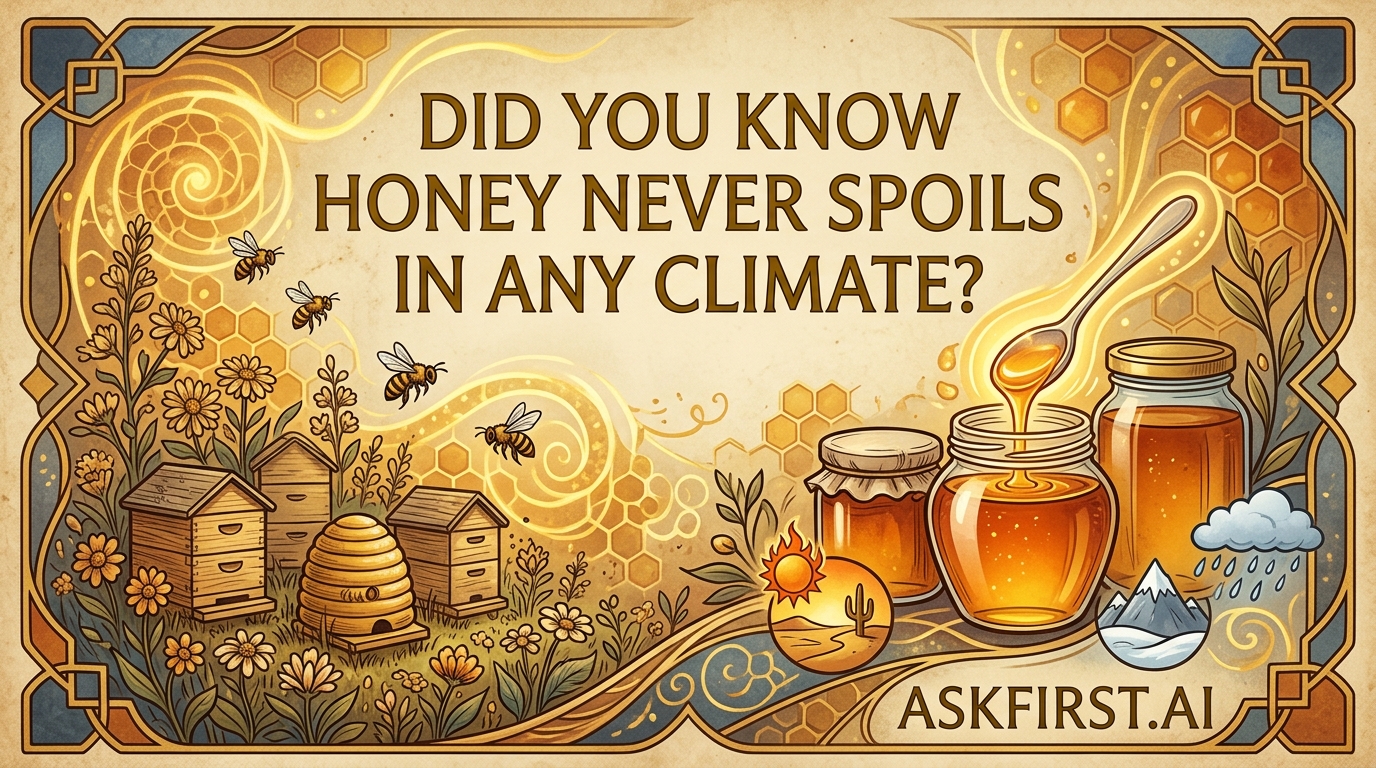
Honey is widely recognized as one of the few natural foods that possesses the remarkable ability to remain edible indefinitely. Archaeological discoveries in ancient Egyptian tombs have yielded pots of honey over 3,000 years old that, while crystallized and dark, remain perfectly safe for human consumption. This phenomenon is not magic; it is a complex interplay of chemistry, biology, and specialized environment. Understanding the longevity of honey requires exploring the unique conditions that prevent bacterial growth and enzymatic degradation.
The Chemical Trifecta of Preservation
The secret to honey’s immortality lies in a combination of three primary factors: low moisture content, high acidity, and the presence of hydrogen peroxide.
1. Low Moisture Content and Hygroscopic Nature
Raw honey is inherently low in water content, typically hovering around 17-18%. Microorganisms, such as bacteria and fungi, require moisture to thrive and reproduce. Because honey is hygroscopic—meaning it actively absorbs moisture from its surroundings—it literally sucks the water out of any potential bacteria that land on it. This process, known as osmosis, causes microbial cells to dehydrate and perish, effectively sterilizing the surface of the honey.
2. High Acidity
With a pH balance typically ranging between 3.2 and 4.5, honey is naturally acidic. This level of acidity is sufficient to inhibit the growth of most food-borne pathogens. The acidic environment, created by gluconic acid produced during the breakdown of glucose by the enzyme glucose oxidase, acts as a chemical barrier, preventing the colonization of harmful microbes.
3. Hydrogen Peroxide Production
When bees produce honey, they introduce an enzyme called glucose oxidase. When mixed with honey’s glucose, this enzyme creates gluconic acid and hydrogen peroxide. Hydrogen peroxide is a well-known antimicrobial agent. While it exists in low concentrations, it is potent enough to neutralize bacteria, fungi, and yeasts that might otherwise spoil the product. This enzymatic mechanism serves as the honey's immune system.
Crystallization: The Myth of Spoilage
A common misunderstanding among consumers is the confusion between spoilage and crystallization. Many individuals discard jars of honey that have turned thick, grainy, or pale, assuming the product has gone 'bad.' In reality, crystallization is a natural and expected physical transformation. Honey is a supersaturated solution of two primary sugars: glucose and fructose. Over time, the glucose molecules separate from the water and form crystals. This process is accelerated by cooler temperatures.
- How to reverse crystallization: To restore honey to a liquid state, one simply needs to place the jar in a warm water bath (do not boil) to gently melt the crystals. It is a physical change, not a chemical one, and the quality remains pristine.
Storage Best Practices
While honey is technically imperishable, human handling can introduce contaminants that jeopardize its shelf life. To ensure honey remains in its best state for decades, follow these guidelines:
- Maintain Airtight Seals: Because honey is hygroscopic, it will absorb humidity from the air if left uncovered. High humidity can raise the moisture content of the honey above 20%, potentially allowing yeast to ferment the sugars. Always store honey in a tightly sealed container.
- Avoid Contamination: Introducing foreign materials into a honey jar, such as crumbs or moisture from a dirty spoon, provides a breeding ground for microorganisms. Always use clean, dry utensils.
- Temperature Stability: While honey can withstand various temperatures, storing it in a cool, dark place prevents excessive darkening of color and the loss of subtle volatile aromatics that define its flavor profile.
Nature’s Perfectly Engineered Food
It is important to acknowledge that honey's incredible durability is a result of evolutionary biological engineering by honeybees. Bees meticulously dehydrate nectar within their hives through rapid wing-fanning, concentrating the sugars until the moisture level drops low enough to ensure preservation for the hive's survival during winter. This process is so efficient that the honey created to feed future generations of bees remains stable for years under the right conditions.
Conclusion
Honey serves as a brilliant example of nature’s ability to create self-preserving systems. By maintaining specific moisture levels, high acidity, and built-in antimicrobial agents, this golden substance transcends the standard decay cycles of most biological materials. Whether found in a modern pantry or a prehistoric tomb, the integrity of honey stands as a testament to the sophisticated chemical balance of the natural world. As long as it is kept away from moisture and direct contamination, one can be confident that honey will remain a sweet, safe, and delicious staple, regardless of how much time passes.