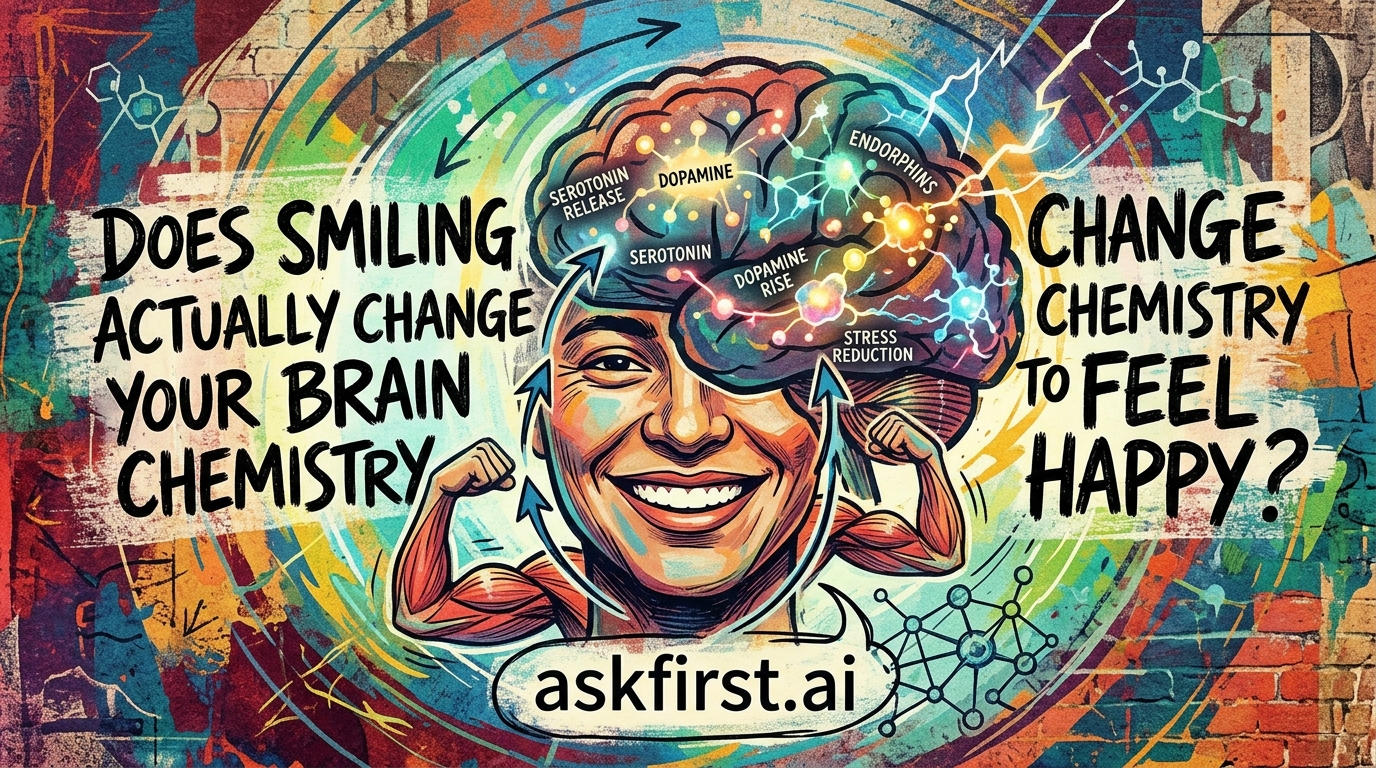
The Science of the Facial Feedback Hypothesis
For decades, researchers have investigated the intriguing phenomenon known as the Facial Feedback Hypothesis. This theory posits that facial expressions are not merely the result of an emotional state but can also serve as the cause of one. When a person smiles—even if the smile is forced or mechanically induced—the brain receives sensory feedback from the facial muscles that triggers a cascade of neurochemical changes. This process suggests that the mind and the body are in a constant, bidirectional loop, where physical movement dictates internal experience.
The Neurochemical Cascade
When the zygomatic major muscles, which pull the corners of the mouth upward, are engaged, they send nerve impulses to the brain. This specific muscle activity is linked to the stimulation of the amygdala, a region of the brain responsible for emotional processing. Once the amygdala detects the muscle pattern associated with a smile, it signals the release of several key neurotransmitters:
- Dopamine: Often referred to as the brain's "reward chemical," dopamine levels rise when the brain interprets the facial movement as a signal of pleasure or success.
- Serotonin: This neurotransmitter helps regulate mood, anxiety, and feelings of well-being. Increased facial activity mimics positive feedback loops that encourage the production of serotonin.
- Endorphins: These act as natural painkillers and are associated with a sense of euphoria or calm. The mechanical act of smiling can initiate their release, effectively tricking the brain into feeling a sense of comfort.
Debunking the Myth vs. Biological Reality
One common misconception is that a 'fake' smile has no impact. However, research conducted by scientists like Fritz Strack has shown that the brain often fails to distinguish between a Duchenne smile (a genuine, spontaneous smile involving the eyes) and a posed one when it comes to early-stage physiological responses. While the intensity of the mood shift is undoubtedly greater when the smile is authentic, the mere act of activation is enough to nudge the brain's internal chemistry toward a more positive baseline. This is known as embodied cognition, where the brain uses bodily states to categorize and create emotional realities.
Practical Applications for Daily Life
Understanding this mechanism offers a powerful tool for self-regulation. By intentionally activating the muscles of a smile during moments of stress or minor irritation, individuals can introduce a 'biological interruption' to the downward spiral of negative affect. This is not about suppressing emotions or toxic positivity; rather, it is about using the body as a sensory regulator for the mind.
- Stress Reduction: Utilizing a smile during a taxing task can lower heart rate and reduce physiological signs of stress.
- Social Interaction: A smile acts as a 'social lubricant.' Because mirror neurons in the human brain cause people to imitate the expressions they see, your smile can trigger a similar neurochemical release in the person you are interacting with, creating a positive feedback loop between two individuals.
- Mindfulness Integration: Combining a smile with deep breathing techniques creates a multi-sensory anchor that shifts the autonomic nervous system from a 'fight or flight' state toward a 'rest and digest' state.
Conclusion: The Architecture of Joy
The relationship between the face and the brain remains one of the most fascinating aspects of human biology. While a smile alone is not a panacea for all emotional struggles, it serves as a powerful instrument in the cognitive toolkit. By recognizing that physical posture and expression influence cognitive appraisal, one gains a higher degree of agency over their emotional state. In essence, while the brain influences the face to express joy, the face can also inform the brain that joy is present, turning the simple act of lifting the corners of one's mouth into a potent, science-backed method for enhancing psychological well-being. Through consistent application of this knowledge, one can better navigate the complexities of human emotion using nothing more than a simple, intentional movement.