The Olfactory Connection to Stress Reduction
Recent scientific breakthroughs have illuminated a fascinating link between the human sense of smell and the regulation of physiological stress. Research confirms that the scent of a romantic partner can indeed act as a powerful buffer against psychological tension. This phenomenon, often referred to as 'olfactory soothing,' is deeply rooted in human biology and the evolutionary importance of social bonding. When an individual encounters the familiar scent of a loved one, the brain processes this information not just as an odor, but as a signal of safety and companionship.
The Cortisol Paradox: Science Behind the Scent
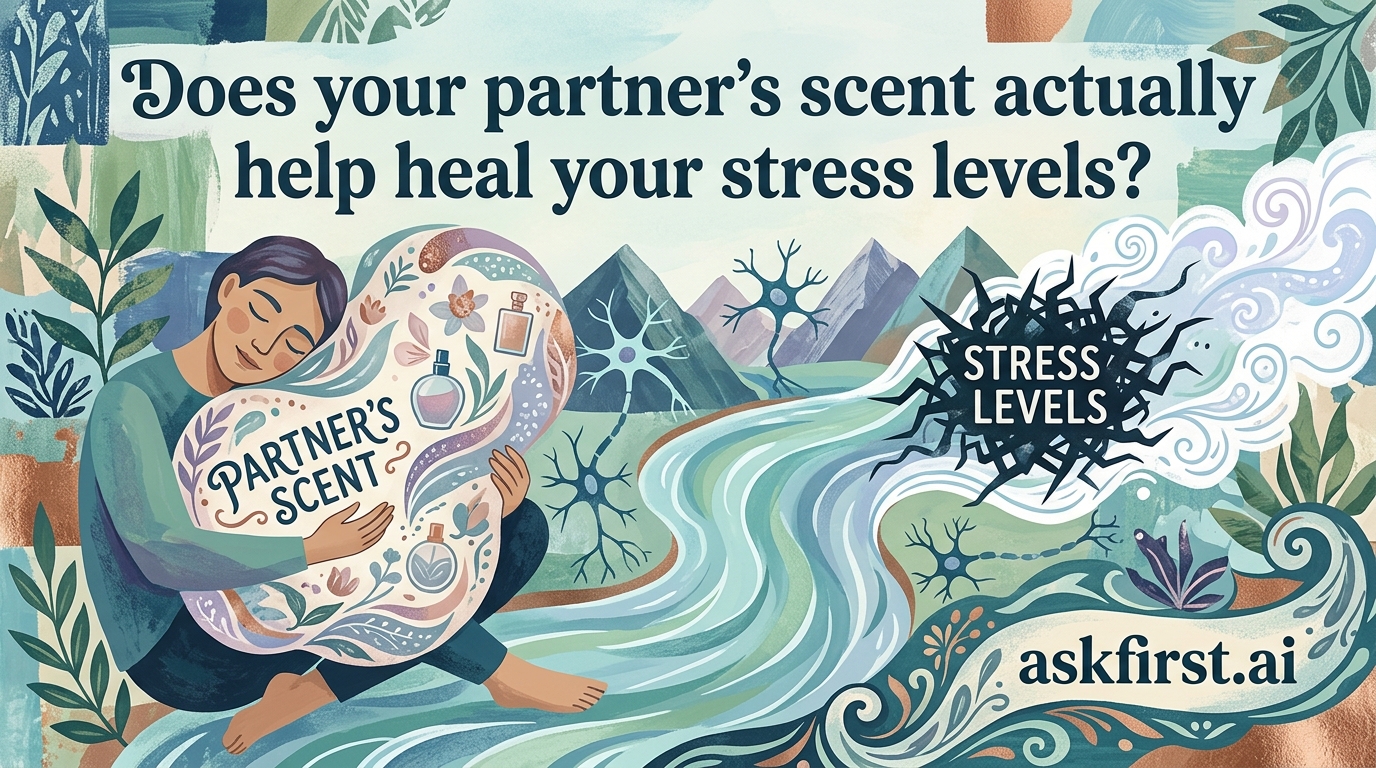
At the core of this discovery is the impact of partner scent on the hormone cortisol. Cortisol, widely known as the primary stress hormone, often spikes during moments of anxiety or conflict. Studies have demonstrated that exposure to a partner's scent—such as that found on a worn t-shirt—can significantly lower salivary cortisol levels, even in the absence of the person themselves. This suggests that the brain maintains a neural mapping of a partner's unique chemical profile, which serves as an immediate emotional regulator when environmental stressors arise.
How Olfactory Memory Shapes Emotional Security
The sense of smell is unique among the five senses because it is hardwired directly into the limbic system, the region of the brain responsible for emotional processing and memory. Unlike visual or auditory signals, olfactory input bypasses the thalamus and travels straight to the amygdala and hippocampus. This explains why certain scents can trigger vivid, involuntary emotional responses. In the context of a healthy relationship, a partner's scent is frequently associated with intimacy, comfort, and protection. Consequently, the brain registers this specific scent as an 'emotional anchor,' grounding the individual during high-stress episodes.
Practical Applications for Daily Wellness
Understanding this biological mechanism offers practical, non-pharmaceutical strategies for managing stress in everyday life. If physical distance prevents the presence of a partner, utilizing an item of their clothing can serve as a potent tool for self-soothing. This practice does not suggest dependency, but rather highlights the human capacity for biological co-regulation. Incorporating this knowledge into daily life can improve emotional resilience and promote a deeper sense of connection between partners.
Evolutionary Significance of Scent Recognition
From an evolutionary standpoint, the ability to recognize and derive comfort from the scent of a long-term partner likely served a vital survival function. By fostering social cohesion and reducing individual anxiety, human bonding facilitated group cooperation and collective safety. While modern environments are vastly different from those of ancestral humans, the neurological architecture that prioritizes familiar social scents remains intact. The body continues to interpret the olfactory signature of a trusted ally as a proxy for physical security.
Mitigating Modern Anxiety
In our high-pressure, modern world, individuals are constantly seeking effective ways to mitigate the toll of chronic stress. This scientific insight provides a gentle, natural approach to emotional maintenance. It emphasizes that human connection is not merely a social construct but a biological necessity that manifests through multiple sensory channels. When the body encounters a familiar, pleasant scent associated with a supportive bond, the nervous system shifts from a state of sympathetic arousal (the 'fight or flight' response) toward parasympathetic dominance, which encourages recovery and homeostasis.
Summary of Benefits
- Biochemical Regulation: Partner scents help modulate cortisol production.
- Limbic System Activation: Direct access to emotion centers facilitates immediate grounding.
- Neural Anchoring: Familiar scents act as psychological buffers against external stressors.
- Non-Invasive Healing: Leveraging this biological response is a simple, cost-effective, and safe method for daily emotional management.
By embracing the powerful role of our sense of smell, individuals can better appreciate the intricate ways that personal relationships protect and restore human well-being. This profound connection serves as a reminder that science often validates the intuitive comfort found in the presence—and even the absence—of those we love.