The Neurobiology of Connection
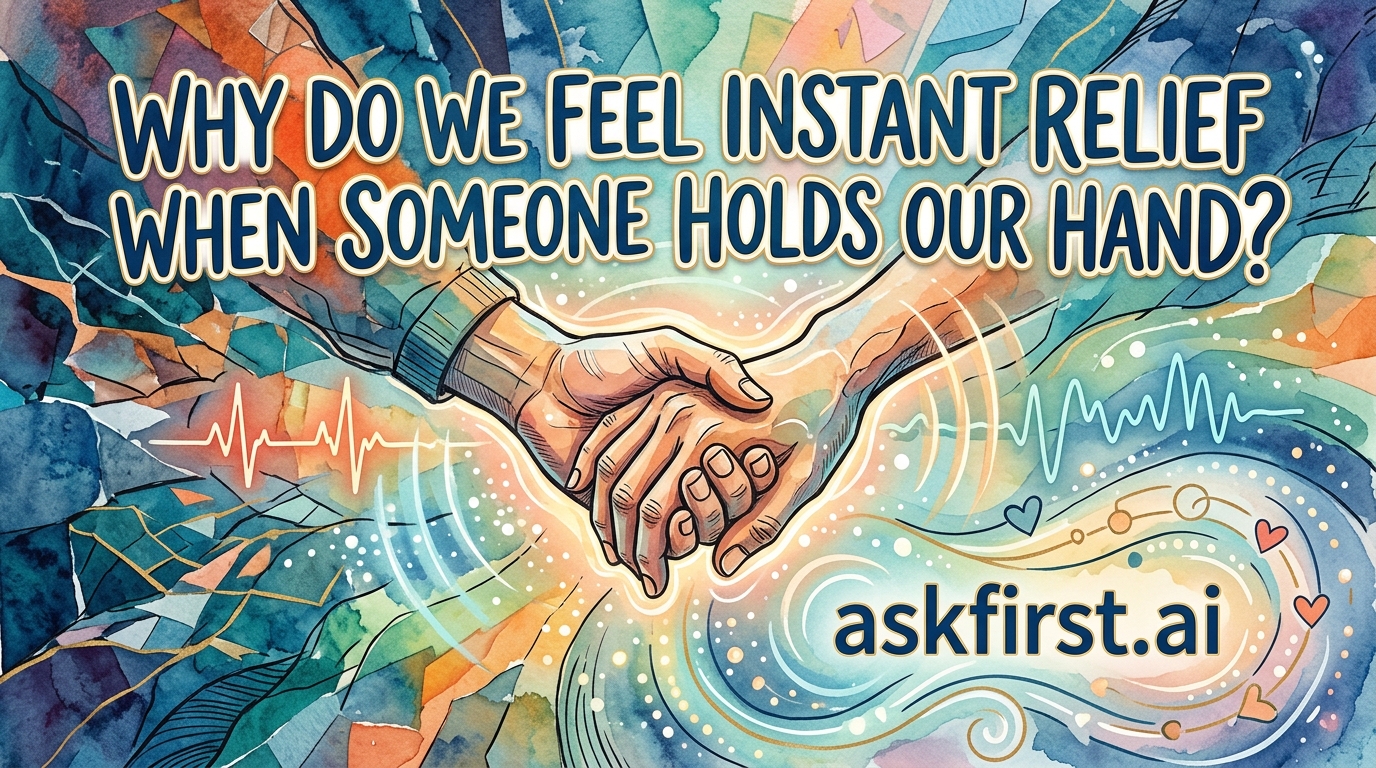
The phenomenon of immediate emotional and physical relief upon holding a hand is rooted in deep-seated neurobiological mechanisms that prioritize social safety. Research in the field of affective neuroscience suggests that touch is the most fundamental form of human communication. When a person holds the hand of someone they trust, the brain experiences a profound physiological shift. The process begins with the activation of specialized nerve fibers known as C-tactile afferents, which are specifically designed to respond to gentle, slow, and supportive touch. These fibers send signals directly to the insular cortex, the region of the brain responsible for processing emotions and maintaining body awareness. By signaling safety, these nerve fibers effectively dampen the brain's alarm system, specifically the amygdala, which is responsible for the 'fight-or-flight' stress response.
The Oxytocin and Cortisol Exchange
A pivotal component of this relief is the hormonal cocktail released during skin-to-skin contact. Holding hands acts as a catalyst for the release of oxytocin, often referred to as the 'bonding hormone.' Oxytocin plays a vital role in fostering trust and reducing levels of cortisol, the primary stress hormone that causes anxiety and physical tension. Studies have demonstrated that this hormonal modulation occurs rapidly. When cortisol levels drop, blood pressure stabilizes, heart rates slow down, and the nervous system shifts from a sympathetic-dominant state (stressed) to a parasympathetic-dominant state (rest-and-digest). This biological pivot is why the simple act of clutching a hand during a stressful event or physical pain feels akin to a physiological reset button.
Pain Modulation and the 'Hand-Holding Effect'
Perhaps the most fascinating aspect of this interaction is the 'hand-holding effect' observed in clinical pain studies. Researchers, such as those in the study conducted by Pavel Goldstein at the University of Colorado, discovered that when partners hold hands during painful experiences, their brain waves actually begin to synchronize. This interpersonal synchronization leads to a significant reduction in perceived pain intensity. The brain stops viewing the pain as a solitary burden and instead incorporates the presence of the other person as a resource. This social buffering effect suggests that the human brain evolved to interpret companionship as a protective factor, effectively lowering the cognitive and physiological load required to manage discomfort.
The Evolutionary Significance of Touch
From an evolutionary perspective, the need for tactile connection is an adaptation developed to ensure survival within a social group. For early humans, isolation was equivalent to vulnerability. The nervous system learned that proximity to another trusted individual meant safety from predators and environmental threats. Therefore, the feeling of relief is an ancient, hard-wired feedback loop telling the individual, 'You are protected, you are not alone, and you are part of a team.' This mechanism remains as relevant in modern life as it was in prehistoric times. Whether facing a difficult meeting, a medical procedure, or personal anxiety, the presence of a supportive hand triggers these ancestral circuits, providing a sense of grounding that logic alone cannot achieve.
Psychological Benefits of Co-Regulation
Beyond biology, the relief is also driven by psychological co-regulation. When one individual is in distress, their internal equilibrium is disrupted. By holding hands, two nervous systems create a closed-loop system where the regulated state of the calmer individual helps to influence the dysregulated state of the other. This process allows the stressed individual to borrow the emotional stability of their partner. Through mirror neurons, the brain observes the calm demeanor of the other person and begins to mirror that state internally. This is why caregivers, parents, and partners often act as 'external regulators' for those in need. It is a shared experience that reinforces social bonds while simultaneously managing individual stress levels.
Conclusion: A Legacy of Connection
The instant relief felt when holding hands is not merely a social nicety; it is a complex, high-speed biological defense mechanism. It integrates hormonal release, neural synchronization, and evolutionary safeguards to ensure that human beings remain connected and resilient in the face of adversity. By understanding the science behind this simple gesture, one can better appreciate the immense power of human touch as a tool for health, mental well-being, and genuine communal support. Next time a hand is offered, remember that it is not just a gesture of comfort, but a profound biological interaction that optimizes the human capacity to endure and thrive.