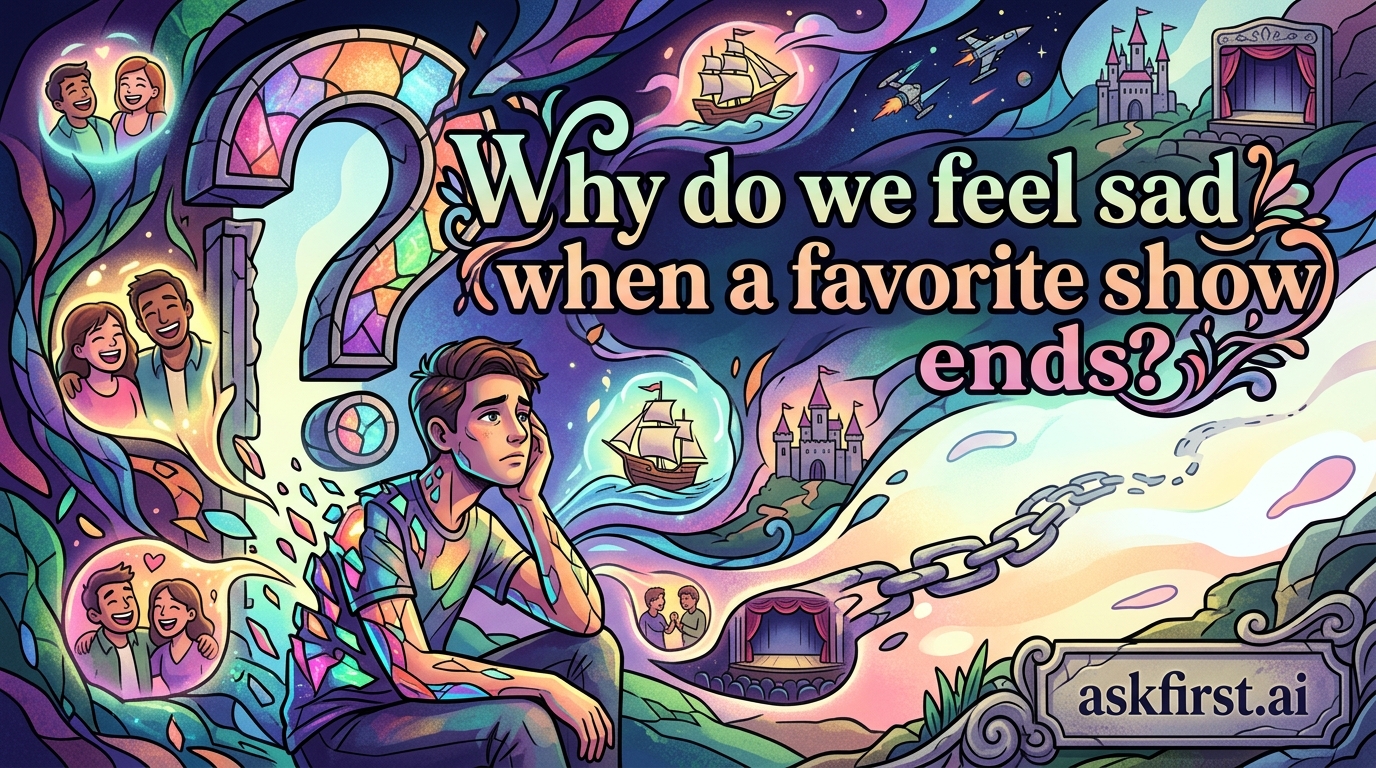
The Psychology of Post-Series Melancholy
When the credits roll on the final episode of a beloved television series, many viewers experience a profound sense of loss often described as 'post-series depression.' This phenomenon is not merely an emotional quirk; it is rooted in the complex way the human brain processes social relationships, narrative immersion, and habit formation. While these characters are fictional, the human brain often struggles to distinguish between genuine social connections and the simulated ones formed through long-form storytelling.
The Parasocial Bond
The primary driver of this sadness is the development of a parasocial relationship. Originally coined in 1956 by sociologists Horton and Wohl, this term refers to one-sided emotional attachments viewers develop toward media figures. Over many seasons, the brain invests time, empathy, and attention into the lives of protagonists. Because the brain uses similar neural pathways to process fictional social interactions as it does for real-world interactions, the 'loss' of these characters mimics the sensation of a breakup or a friend moving away.
Narrative Immersion and Escapism
Television shows provide a structured, predictable, and engaging alternative reality. This immersive experience, often referred to as 'transportation,' allows viewers to step out of their daily stressors and into a world where they feel a sense of agency or connection. When a show concludes, that escape hatch closes. The sudden transition back to 'real-world' baseline reality—which may feel mundane or stressful by comparison—creates an emotional vacuum. This is further compounded by:
- The Zeigarnik Effect: This psychological principle suggests that people remember uncompleted tasks better than completed ones. A show in progress maintains a state of tension and anticipation. Once that tension is resolved through a series finale, the brain loses the stimulus of the 'open loop,' leading to a sense of aimlessness.
- Habitual Neural Mapping: Humans are creatures of habit. If a series was a nightly ritual, the brain has established specific neural pathways associated with that time and context. The cessation of the ritual requires the brain to perform cognitive 'pruning' or adjustment, which can manifest as feelings of irritability or low mood.
The Role of Dopamine
Watching a favorite show provides consistent rewards. Every plot twist, character development, and season premiere acts as a micro-hit of dopamine, the neurotransmitter associated with reward and motivation. When the show ends, these predictable rewards vanish. The brain, having been conditioned to seek this specific source of satisfaction, may experience a physiological dip in dopamine levels, leading to a period of readjustment that feels indistinguishable from grief.
Coping Strategies and Emotional Resilience
Understanding the biology behind this sadness can help mitigate its impact. Experts often recommend the following strategies to transition smoothly from a series finale:
- Reflective Processing: Instead of immediate re-bingeing, engage in active consumption. Write about the ending, participate in community discussions, or analyze the narrative structure. This moves the brain from passive emotional absorption to active analytical processing.
- Ritual Replacement: If the show occupied a specific slot in the daily schedule, replace it with a new, low-stakes ritual, such as reading, light exercise, or a hobby. This minimizes the sense of loss by re-occupying the neural space.
- Community Validation: Realizing that others feel the exact same way is a powerful antidote. Recognizing that the sadness is a testament to the quality of the storytelling—and not a personal failure—helps reframe the experience from one of loss to one of appreciation.
The Legacy of Connection
Ultimately, feeling sad when a show ends is a tribute to human empathy. It is evidence that our capacity for connection is so robust that it can extend beyond our immediate physical environment and into the worlds created by writers and actors. By acknowledging the scientific basis of this 'media mourning,' viewers can appreciate the emotional depth that art provides, recognizing it as a sign of a healthy, functioning, and highly empathetic mind. While the screen may go dark, the psychological impact of these stories continues to shape our perspectives, teaching us about complex moral dilemmas, humor, and the human condition in a way that resonates for years to come.