The Eternal Nature of Honey
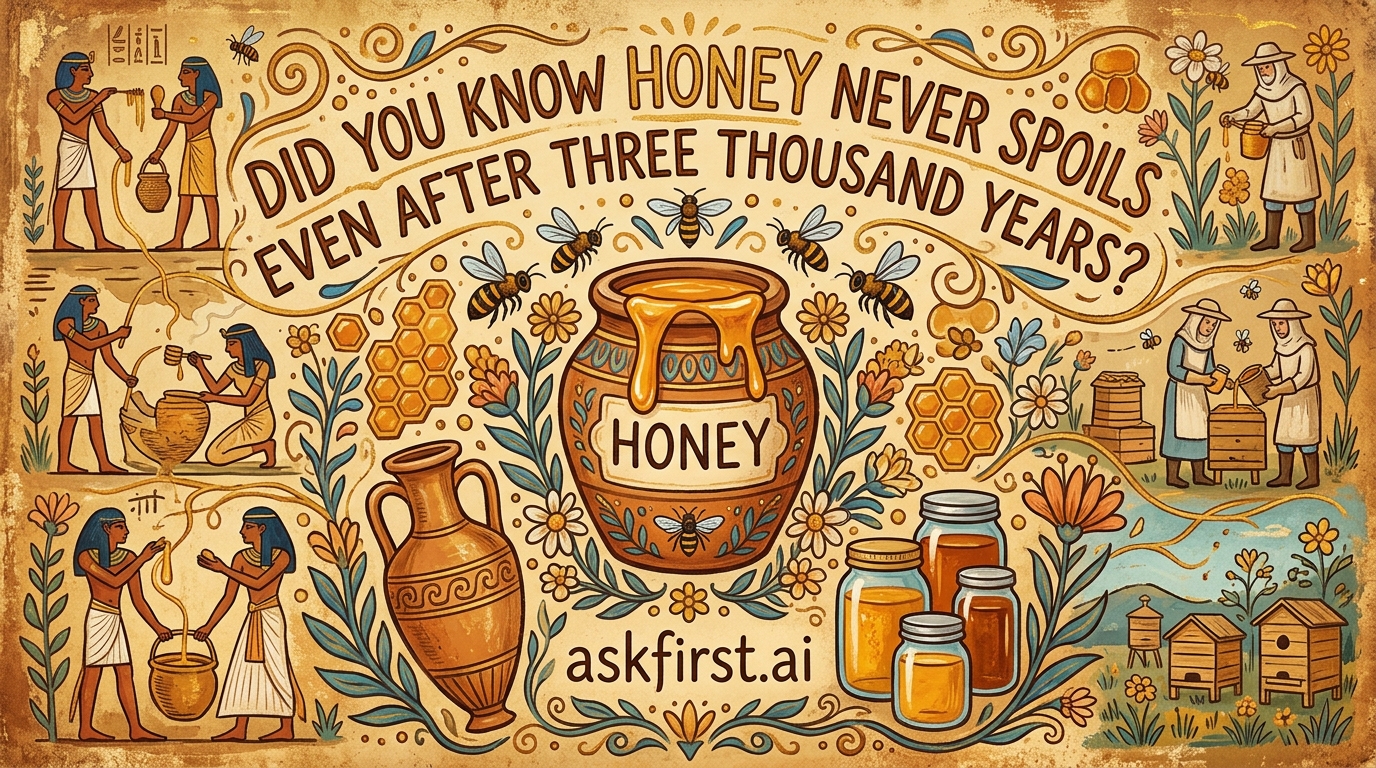
Honey is one of nature’s most fascinating chemical anomalies. Archaeological expeditions have uncovered pots of honey in ancient Egyptian tombs, dating back thousands of years, that remain perfectly edible. This longevity is not merely a myth but a result of a sophisticated interplay between biology, chemistry, and environmental physics. Understanding why honey defies the march of time requires an examination of its unique molecular composition and the conditions created by the honeybee.
The Chemical Trifecta of Longevity
Three primary factors contribute to the perpetual shelf-life of honey:
- Low Moisture Content: Honey is naturally hygroscopic, meaning it contains very little water in its raw state. Most bacteria and microorganisms require water to flourish. Because honey is so concentrated, it pulls water molecules out of any microbes that might land in it, effectively dehydrating and killing them before they can spoil the product.
- High Acidity: Honey has a pH level generally ranging between 3 and 4.5. This level of acidity is inhospitable to the vast majority of bacteria. Few organisms can survive or reproduce in an environment this acidic, which serves as a natural preservative barrier.
- Hydrogen Peroxide Production: When bees process nectar, they introduce an enzyme called glucose oxidase from their hypopharyngeal glands. When mixed with the nectar, this enzyme creates a chemical reaction that produces gluconic acid and hydrogen peroxide. The latter acts as a potent antibacterial agent, preventing the colonization of mold or yeast.
The Role of Osmotic Pressure
At a physical level, the efficacy of honey against decay is governed by osmotic pressure. Because the sugar concentration in honey is exceptionally high, the internal pressure generated forces water out of any bacterial cell that attempts to enter. This process, known as plasmolysis, causes the microbial cell to collapse. Effectively, honey acts as a natural desiccating agent, creating a sterile environment that is hostile to life as we know it.
Myths and Misconceptions
While honey does not spoil, it does undergo physical transformations. The most common occurrence is crystallization. Contrary to what many consumers believe, crystallization is not a sign that the honey has gone bad; it is a natural process caused by the glucose in the honey separating from the water content. The glucose precipitates into tiny crystals, changing the texture from liquid to solid or gritty. This process is entirely reversible. By gently heating the jar in a warm water bath, the crystals dissolve, and the honey returns to its original liquid state without losing its nutritional or preservative properties.
Is All Honey Immortal?
It is important to distinguish between high-quality, raw honey and heavily processed, moisture-rich alternatives. If honey is harvested prematurely or has been adulterated with high-fructose corn syrup or excessive water, its sugar concentration may drop below the required threshold to maintain its immortality. Improper storage can also compromise honey. If a jar is left open, the hygroscopic nature of honey will cause it to absorb moisture from the surrounding air. If the water content rises above 18-20%, the protective barriers mentioned above may be compromised, eventually allowing yeast to begin fermentation.
Practical Tips for Storage
To ensure honey remains in its optimal state for years, follow these expert-recommended guidelines:
- Seal Tightly: Always use a glass or food-grade plastic container with an airtight lid to prevent the absorption of ambient moisture.
- Avoid Extreme Temperatures: Store in a cool, dry place. While cold storage won't hurt the honey, it may accelerate the crystallization process.
- Use Clean Utensils: Never introduce food particles, bread crumbs, or water into the honey jar. Cross-contamination with other food products is the only common way honey becomes susceptible to spoilage.
Conclusion
In a world where most food products have expiration dates measured in days or weeks, honey stands as a testament to the efficiency of natural chemistry. It is the only food product that provides energy, antimicrobial properties, and a nearly infinite shelf life simultaneously. By respecting its unique requirements for storage, one can enjoy this "liquid gold" not just for months, but for a lifetime.