The Dawn of Biological Architecture
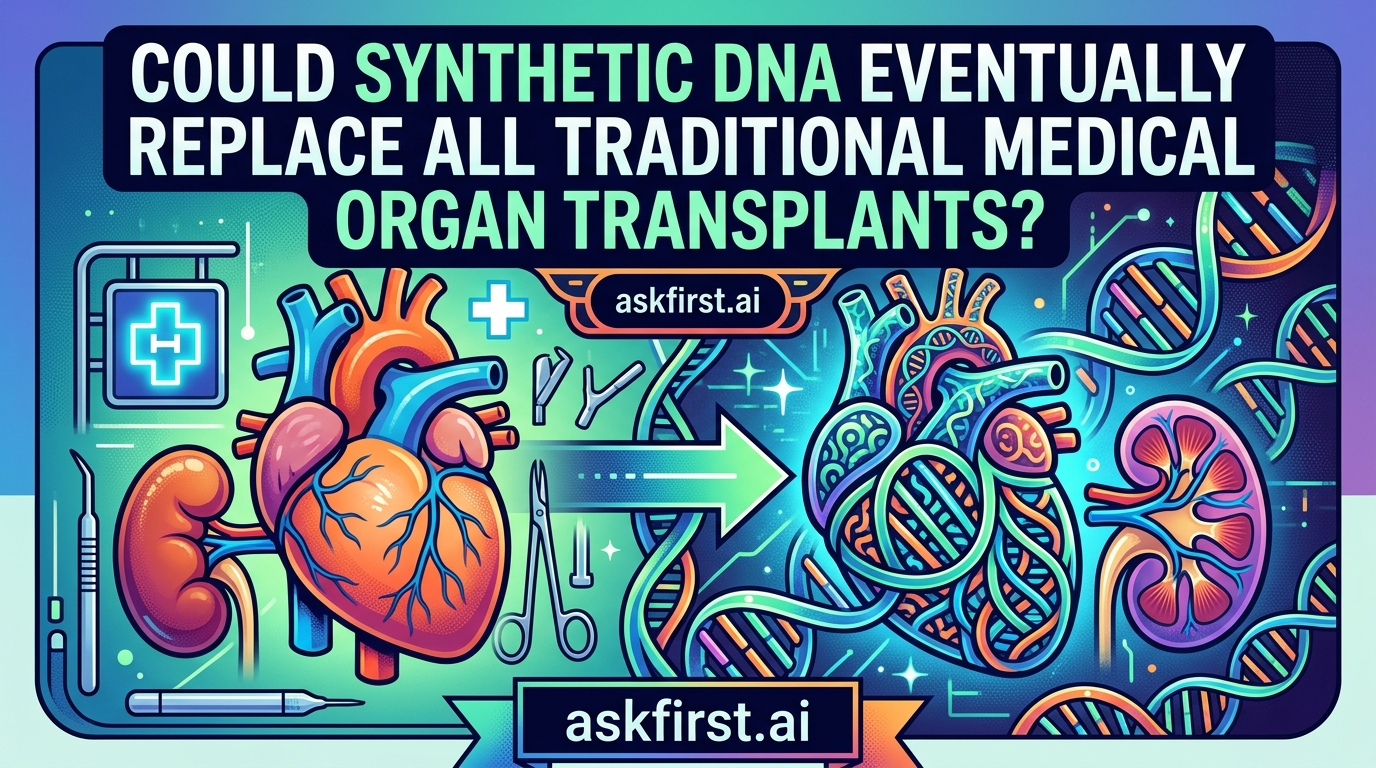
The vision of replacing failing biological organs with synthetic counterparts created from programmable genetic code represents the pinnacle of modern bioengineering. This field, often termed synthetic biology, moves beyond the simple manipulation of existing organisms to the de novo creation of life-like biological components. While traditional transplantation relies on donor organs—which are perpetually in short supply and prone to immune rejection—synthetic DNA and its subsequent expression in engineered tissues offer a tantalizing path toward unlimited availability and perfect immunological compatibility.
The Mechanics of Synthetic Organs
At the core of this transition lies the ability to synthesize DNA sequences that code for specific physiological structures. Modern techniques, such as CRISPR-Cas9 genome editing and advanced 3D bioprinting, allow scientists to guide cellular differentiation with unprecedented precision. By creating 'scaffolds' composed of patient-derived cells or biocompatible materials informed by synthetic genetic blueprints, researchers are building functional organoids that replicate the complex vasculature and cellular architecture of native hearts, livers, and kidneys.
- Genetic Recoding: Using synthetic DNA to remove viral elements or dangerous genetic mutations from progenitor cells ensures that new organs are resistant to common human pathologies.
- Immunological Stealth: Synthetic genomes can be programmed to produce 'stealth' markers, essentially telling the host immune system that the organ is not a foreign invader, thereby eliminating the need for lifelong immunosuppressant therapy.
- Architectural Printing: 3D bioprinting uses hydrogels infused with patient-derived stem cells, which are then directed by synthetic DNA templates to fold and differentiate into complex organs.
Overcoming the Biological Barrier
The fundamental challenge of synthetic organ replacement is the complexity of cellular communication. An organ is not merely a lump of tissue; it is a dynamic system of signaling pathways. Synthetic DNA must be programmed not only to build the organ but to allow it to integrate into the endocrine, nervous, and circulatory systems of the host. As the field of 'organ-on-a-chip' technology matures, scientists are gaining a clearer picture of how to simulate these complex biological cross-talks. When researchers can successfully program a synthetic liver to process metabolic waste and secrete essential proteins in rhythm with the host, the transition from experimental science to clinical reality becomes inevitable.
Economic and Ethical Landscapes
From a resource perspective, the transition to synthetic organ manufacturing provides a shift from a scarcity-based model to an on-demand manufacturing model. This would democratize access to life-extending procedures. Furthermore, because these organs are grown in vitro, the ethical complications associated with organ harvesting are removed entirely. The standardization of synthetic biology protocols would allow for modular organ components, where parts of an organ can be repaired or upgraded without replacing the entire system.
The Future: From Transplantation to Augmentation
Looking toward the future, the integration of synthetic DNA into regenerative medicine suggests that the definition of a 'transplant' will change. Rather than removing a damaged organ, physicians may opt for 'in situ' tissue regeneration. This involves injecting synthetic gene vectors directly into the patient to initiate self-repair of damaged cells. In this scenario, the synthetic DNA acts as an internal architect, correcting genetic code at the source to repair heart muscle or regenerate neural pathways. This represents the ultimate integration of technology and biology, effectively bypassing the need for physical transplantation altogether.
Key Considerations for the Coming Decades
- Bio-Safety Protocols: Robust containment strategies are necessary to ensure that synthetic DNA sequences remain stable and do not mutate in ways that could create oncogenic effects.
- Energy Efficiency: Natural organs have evolved over millions of years to be highly energy-efficient. Creating synthetic equivalents that maintain this metabolic efficiency remains a significant engineering hurdle.
- Regulatory Evolution: Governing bodies will need to develop new paradigms for validating synthetic biological devices, focusing on cellular stability rather than just structural durability.
In conclusion, the convergence of synthetic biology, genetic engineering, and advanced manufacturing is fundamentally altering the trajectory of medicine. While the road is long and fraught with intricate biological puzzles, the prospect of custom-designed, lab-grown organs represents the most significant paradigm shift in medical history. The question is no longer if we can engineer biological structures, but how quickly we can master the delicate, chaotic language of life to ensure that our synthetic creations function in harmony with the natural environment of the human body.