The Psychology of Vulnerability and Connection
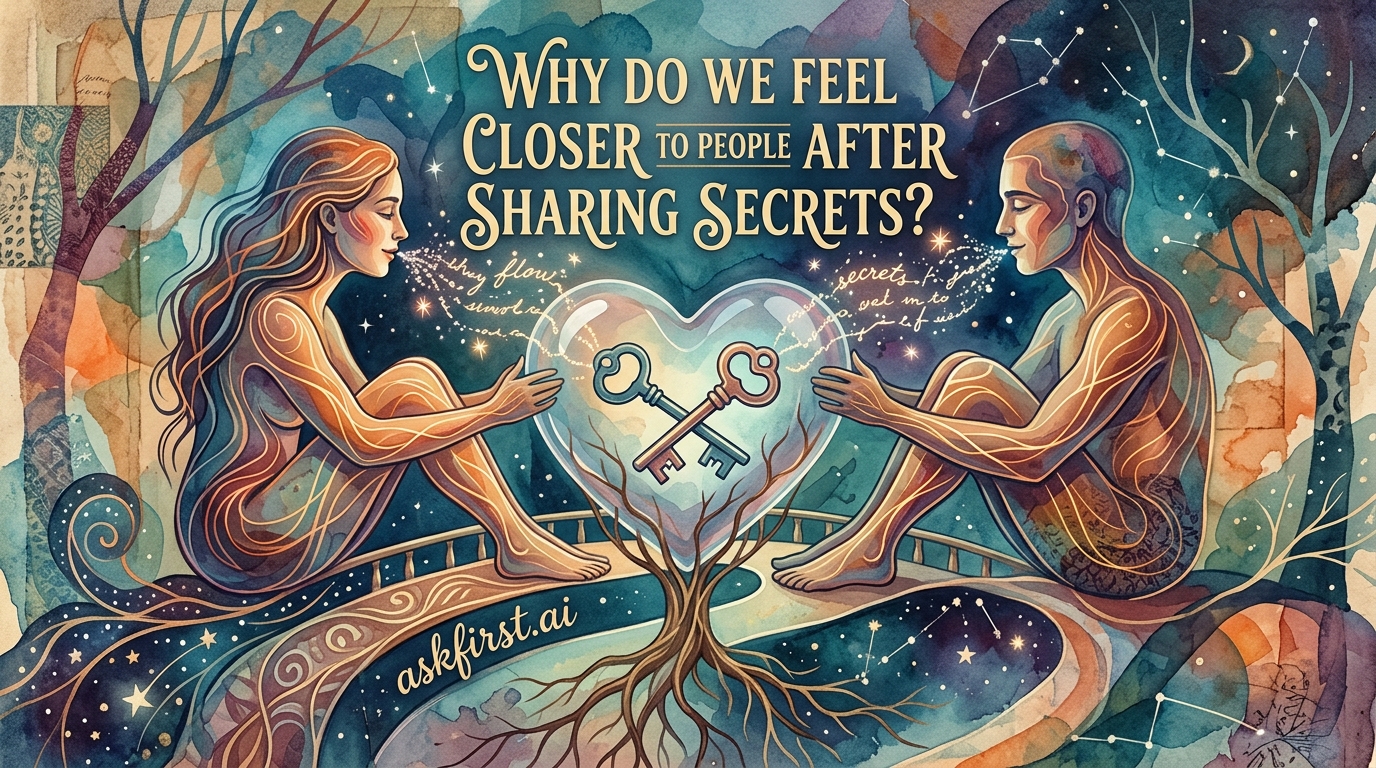
Human connection is often defined by the depth of shared experiences, but perhaps no catalyst for intimacy is as potent as the act of disclosure. Sharing secrets acts as a psychological accelerant, forging bonds that might otherwise take years to develop. This phenomenon is rooted in the complex interplay of social psychology, neurobiology, and evolutionary biology.
1. The Principle of Reciprocal Self-Disclosure
At the heart of building closeness is the mechanism known as reciprocal self-disclosure. When an individual reveals a piece of personal, private information, they are extending an invitation of trust. This creates a powerful social pressure for the listener to respond in kind. According to the social penetration theory proposed by psychologists Irwin Altman and Dalmas Taylor, relationships develop through layers of communication, moving from the superficial to the intimate. Sharing a secret effectively peels back these layers rapidly.
- The Signaling Effect: A secret serves as a signal of value. By entrusting someone with sensitive information, the sharer is effectively stating, 'I trust you with a part of my identity that I protect from the world.'
- Validation: When the recipient receives this information without judgment, the sharer feels validated, which reinforces the desire for further interaction.
2. The Neurochemistry of Intimacy
When we reveal secrets, our brains engage in a unique neurochemical dance. The hormone oxytocin, often referred to as the 'cuddle hormone,' is released during acts of trust and bonding. Research in affective neuroscience suggests that vulnerability lowers our psychological defenses, allowing oxytocin to facilitate feelings of empathy and social affiliation.
Furthermore, the reduction of cortisol (the stress hormone) plays a role. Holding onto a secret is cognitively and emotionally taxing. The act of 'unburdening' releases the pressure of secrecy, which the brain often misinterprets as a direct benefit provided by the listener. Consequently, the listener becomes associated with the relief of that stress, creating a subconscious positive reinforcement loop.
3. The 'Pratfall Effect' and Humanization
We often fall into the trap of believing that displaying perfection attracts others. However, psychological studies—most notably those involving the Pratfall Effect—suggest the opposite. When people reveal flaws or secrets, they appear more 'human' and relatable. Vulnerability creates a bridge across the perceived gap of status or competence. If two people perceive each other as 'perfect,' there is little room for genuine empathy. By sharing a secret, a person exposes their humanity, making them a more approachable and trustworthy figure.
4. Creating a 'Shared Secret' as a Boundary
Sharing a secret effectively establishes a 'social container' that only includes the two individuals involved. This creates an 'us versus the world' mentality. Anthropologically, the existence of exclusive knowledge is a hallmark of tribe formation. When two people hold a piece of information that no one else knows, they become stakeholders in each other's reputation and emotional well-being. This creates a strong incentive to protect the other person, thereby strengthening the bond.
5. Practical Implications for Strengthening Bonds
To leverage this knowledge ethically and effectively, one must understand the distinction between appropriate disclosure and oversharing.
- Calibration: The most effective disclosures are calibrated to the current level of the relationship. Revealing a deep-seated secret too early can be perceived as an overstep.
- Active Listening: The 'closer' feeling is not merely the result of the speaking, but the result of the receiving. A listener who validates, supports, and maintains the confidentiality of the secret is more likely to experience the same depth of connection as the speaker.
- Reciprocity: To sustain the bond, the listener should eventually provide their own layer of disclosure. This ensures the relationship remains a two-way street rather than a one-sided therapeutic session.
The Evolutionary Necessity
From an evolutionary standpoint, early humans survived through cooperation. Understanding whom you could trust—and who could handle delicate information—was a matter of survival. We are hardwired to favor those who grant us access to their inner lives, as this signifies a lower risk of social exclusion or betrayal. Today, this ancient mechanism manifests as the warm, close feeling we get when a friend whispers a truth, cementing a bond that is resistant to the fraying effects of time and distance.