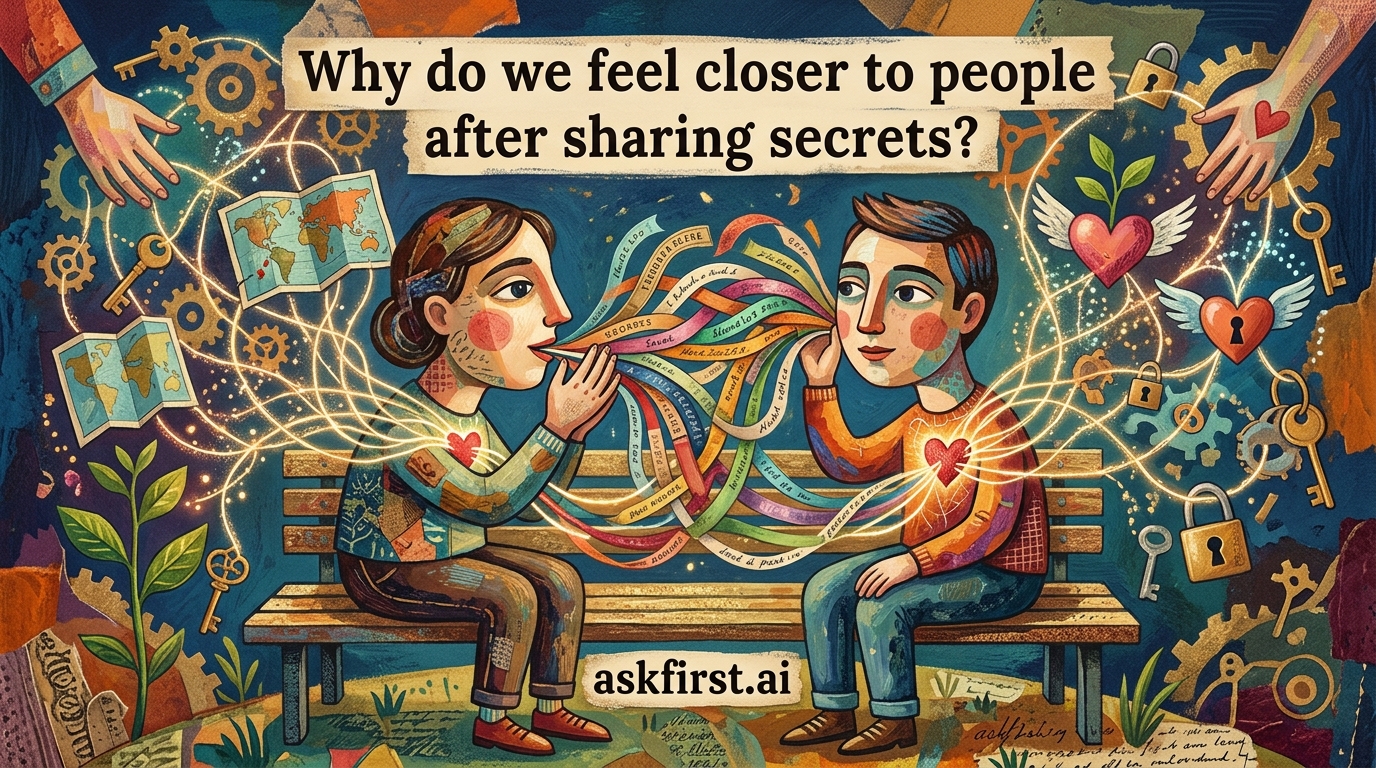
The Psychology of Vulnerability and Connection
Human connection is fundamentally driven by the architecture of vulnerability. When individuals engage in the act of self-disclosure—particularly the sharing of secrets or personal information not generally known—they trigger a psychological mechanism known as The Reciprocity of Vulnerability. This phenomenon suggests that exposing one's internal state acts as a social "bridge," inviting the recipient into an exclusive space of trust. By moving away from the superficial mask of daily social performance, individuals create a vacuum that demands authenticity, which in turn fosters a sense of perceived intimacy.
The Role of Dopamine and Oxytocin
From a neurobiological standpoint, the act of revealing a secret stimulates the brain's reward centers. When an individual shares a confidential detail, the brain releases dopamine, reinforcing the interaction as a positive social reward. Furthermore, as the recipient listens and provides validation, the body releases oxytocin, often referred to as the "bonding hormone." This biological cocktail lowers defensive barriers, facilitating a feeling of psychological safety. According to researchers like Dr. Arthur Aron, the "Fast Friends" paradigm proves that reciprocal, escalating self-disclosure is the most effective way to accelerate the formation of long-term bonds between strangers. By sharing a secret, we are signaling to the other person: "I trust you with a piece of my identity, and I invite you to trust me with yours."
The "Social Exchange Theory" Perspective
In social psychology, the Social Exchange Theory posits that social behavior is the result of an exchange process where individuals weigh the potential benefits and risks of social relationships. Sharing a secret is a "high-risk, high-reward" maneuver. The risk involved in potential judgment or rejection adds weight to the interaction. When the listener responds with empathy rather than criticism, the value of the connection spikes dramatically. This is because the shared information becomes a "currency of trust." Once this currency is exchanged, the relationship is no longer just a casual acquaintance; it becomes a co-managed vault of private knowledge, cementing a sense of loyalty that does not exist in superficial social circles.
Why Secrecy Creates an In-Group Dynamic
Secrets establish a boundary between those who know the truth and those who do not. This creates a psychological "us vs. them" dynamic that is inherently unifying. Sharing a secret effectively pulls the other person into a small, exclusive group of two. This sense of being "in the know" provides a sense of belonging and protection. In the context of modern social psychology, this is known as Triangulation of Trust, where the secret serves as a focal point around which the relationship revolves. Even when the secret is mundane, the act of withholding it from the outside world strengthens the internal fabric of the pair.
The Myth of Over-Sharing vs. Strategic Disclosure
While the benefit of secret-sharing is profound, it is essential to distinguish between vulnerability and indiscriminate disclosure. Healthy intimacy thrives on "gradual disclosure." If an individual shares too much too soon—a concept known as "The Disclosure Trap"—it can actually cause discomfort and push the other person away. The most powerful connections are forged when disclosure is met with mutual response. When both parties participate in the secret-sharing process, the relationship achieves a balanced equilibrium. The sense of closeness remains consistent because it is built on mutual investment rather than a one-sided confession.
Practical Application: How to Use This Wisely
- Start Small: Test the waters with "low-stakes" personal facts to see if the recipient displays empathy.
- Observe the Response: Genuine connection requires the listener to mirror the level of vulnerability shared.
- Prioritize Empathy: The closeness is not caused by the secret itself, but by the empathic reaction to it.
By understanding these underlying psychological principles, one can navigate interpersonal relationships with greater intent. The intimacy born from sharing a secret is a reflection of the human need to be known, understood, and ultimately, accepted. When we share, we are not just telling a story; we are inviting another human to witness the reality of our character, which remains the bedrock of all lasting human connection.