The Science of Petrichor: Why Rain Soothes the Human Soul
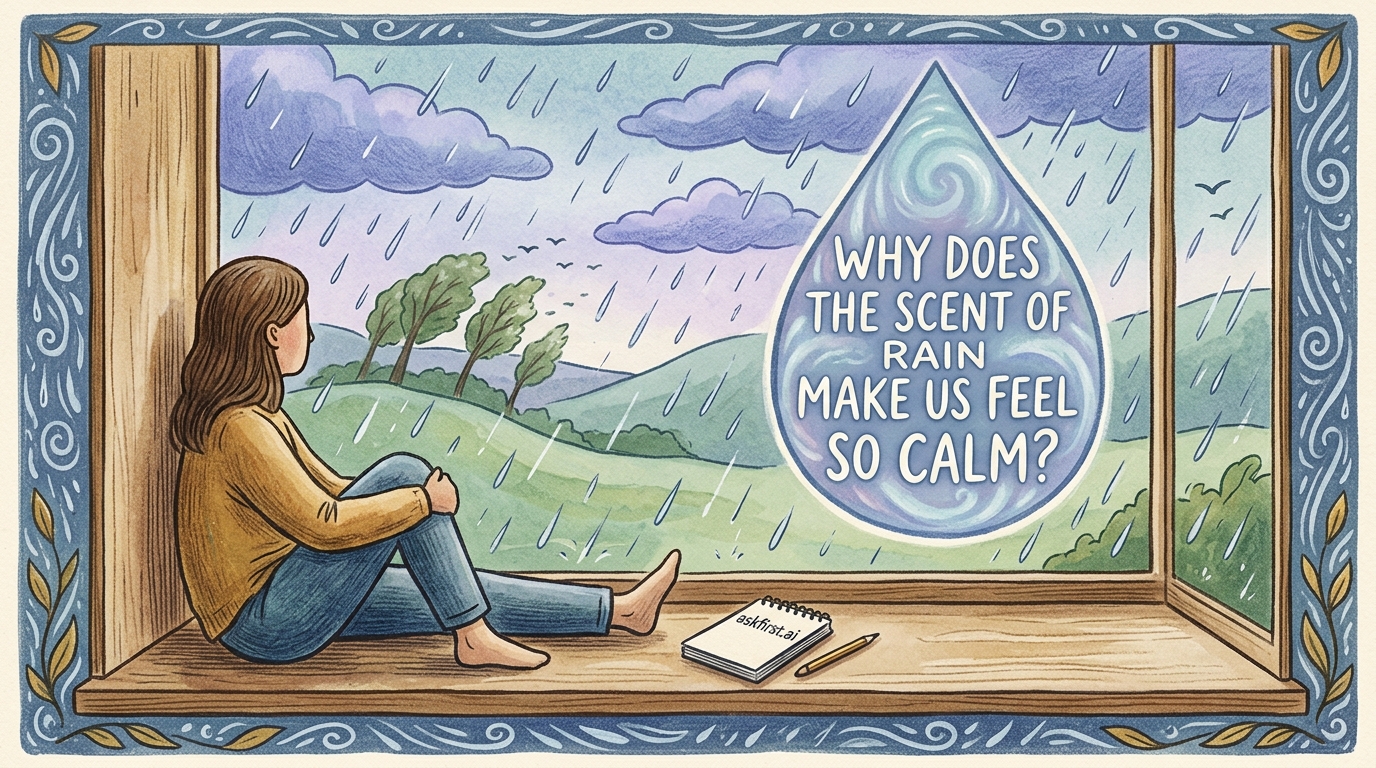
The phenomenon of the distinct, earthy aroma that follows a rainfall—known scientifically as petrichor—has long been associated with feelings of deep tranquility and psychological relief. While it might seem like mere nostalgia, there is a fascinating convergence of chemistry, evolutionary biology, and sensory psychology that explains why this scent acts as a natural sedative for the human brain.
The Chemical Architecture of Petrichor
The term "petrichor" was coined in 1964 by Australian researchers Bear and Thomas, deriving from the Greek words petra (stone) and ichor (the fluid that flows in the veins of the gods). The scent is not merely "wet dirt"; it is a complex chemical cocktail. During dry spells, certain plants secrete oils that are absorbed into the soil and surrounding rocks. Simultaneously, specific soil-dwelling bacteria called actinomycetes produce a chemical compound known as geosmin.
When raindrops hit the ground, they trap tiny air bubbles that shoot upward, aerosolizing these trapped oils and geosmin. This mist then catches the breeze, carrying the scent to human receptors. Humans have an extraordinary, heightened sensitivity to geosmin—we can detect it at concentrations as low as five parts per trillion. This sensitivity is evolutionary; it suggests that our ancestors were hardwired to track the scent of water across arid landscapes to ensure survival.
The Evolutionary Survival Hook
From an evolutionary perspective, the scent of rain signifies the end of a drought and the return of life-sustaining resources. For early humans, the smell of approaching or freshly fallen rain meant that plants would soon grow, game would arrive to drink, and water sources would replenish.
- Security and Abundance: Psychologically, the brain interprets this scent as a signal of safety and prosperity. The physiological state shifts from "alert/stressed" to "relaxed/secure" because the immediate environmental threat of dehydration is removed.
- The Parasympathetic Shift: Because our ancestors survived by seeking water, the presence of that specific smell triggers a subconscious release of tension. It is a biological "all clear" signal, allowing the autonomic nervous system to downregulate from the sympathetic "fight or flight" mode into the parasympathetic "rest and digest" state.
The Role of Sensory Psychology
Beyond the survival mechanism, petrichor engages the limbic system—the part of the brain responsible for emotions and memory. Olfactory nerves are unique because they have a direct path to the amygdala and hippocampus. This explains why scents like petrichor evoke visceral, emotional responses rather than just intellectual recognition.
- Nostalgia and Conditioning: Over a lifetime, individuals often associate the smell of rain with cozy indoor settings, shelter from storms, and the cessation of work or physical labor. This Pavlovian response reinforces the association between the scent and comfort.
- Lowering Cortisol Levels: Studies in environmental psychology have shown that exposure to natural scents, including those associated with healthy biomes, can significantly lower salivary cortisol levels. The damp, earthy quality of petrichor acts as a grounding agent, pulling human focus away from abstract, modern stressors and toward the immediate, tangible environment.
The Biophysical Impact of Negative Ions
It is also worth noting that rainstorms, particularly those with thunder, produce high concentrations of negative ions in the air. Negative ions have been shown in various studies to increase oxygen flow to the brain, resulting in higher alertness and decreased drowsiness, yet they are also linked to improved mood and reduced tension. When combined with the olfactory experience of petrichor, these environmental factors create a synergistic effect that promotes profound mental clarity and relaxation.
Conclusion: A Connection to the Natural World
In our increasingly digital and climate-controlled lives, we often lose touch with the natural cycles that dictated human existence for millennia. The smell of rain is one of the few visceral remainders of that bond. It is not simply a chemical reaction; it is a profound biological bridge that connects the human nervous system to the living Earth. By understanding why we feel calm when it rains, we learn to appreciate the hidden, complex, and beautiful ways our biology is deeply integrated into the world around us. Embracing this scent is essentially an exercise in acknowledging our roots, allowing us to find peace amidst the chaos of a busy life.