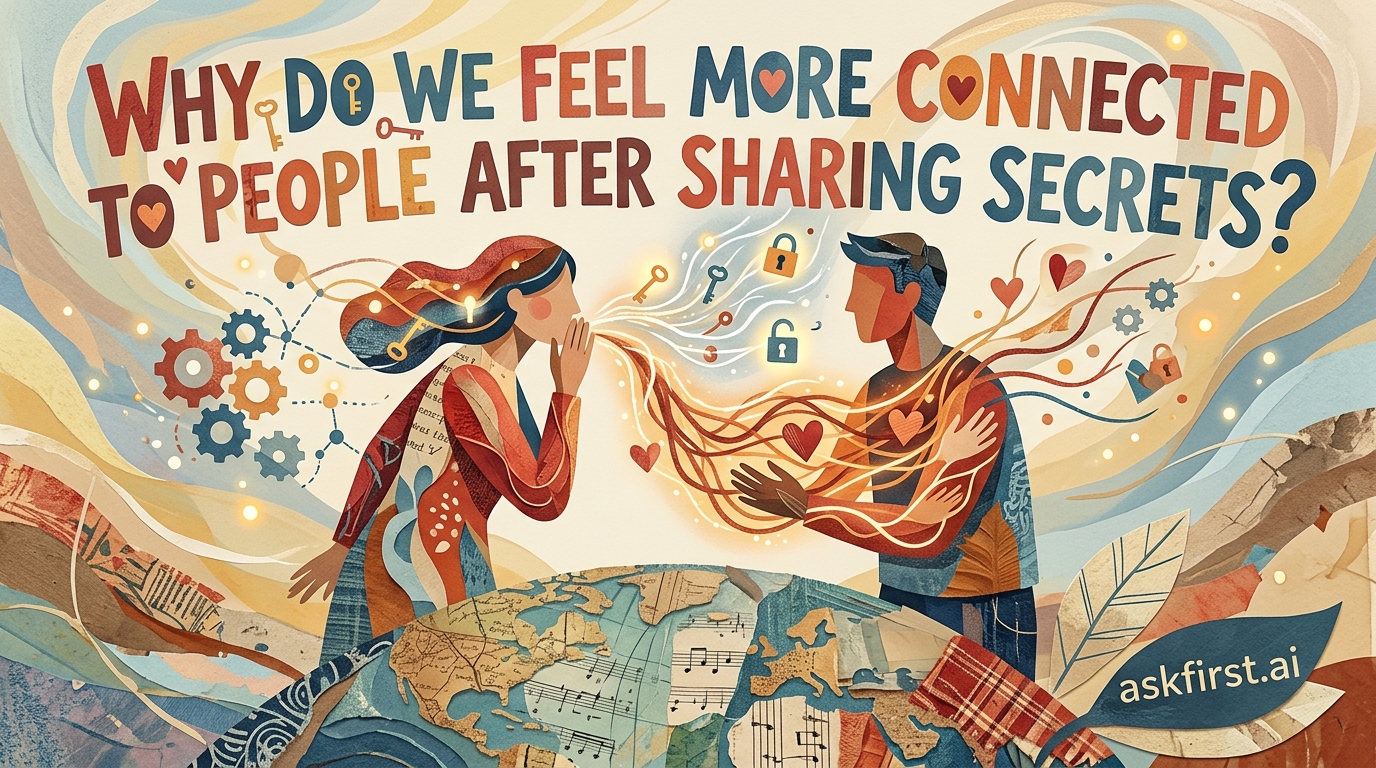
The Psychology of Vulnerability and Connection
The phenomenon of feeling an intensified bond after sharing a secret is a cornerstone of human social architecture. This experience is not merely coincidental but is deeply rooted in evolutionary biology, psychological theory, and neurochemistry. When individuals choose to reveal private information, they are performing a high-stakes act of vulnerability that signals trust, thereby activating reciprocal social behaviors.
The Role of Vulnerability in Bonding
Dr. Brené Brown, a prominent researcher in human connection, defines vulnerability as the birthplace of innovation, creativity, and connection. In the context of secrets, vulnerability serves as a social bridge. By disclosing information that carries potential risk—such as shame, hidden fears, or private aspirations—an individual is essentially lowering their defensive barriers. This gesture communicates to the listener that they are perceived as a safe harbor. Consequently, the listener often feels a sense of responsibility and honor, which triggers a reciprocal desire to provide support or share equally private information, a process known as reciprocal self-disclosure.
The Neurochemical Reward System
From a neurological perspective, shared secrecy is an exercise in dopamine and oxytocin regulation. When an individual discloses a secret, the anticipation of the other person's reaction creates a state of physiological arousal. If the reaction is one of empathy and non-judgment, the brain rewards this positive social interaction by releasing oxytocin, often referred to as the 'bonding hormone.' This chemical reaction serves to solidify the emotional proximity between the two parties, effectively rewiring the brain to categorize the secret-sharer as a trusted ally. Furthermore, the exclusion of others from this knowledge creates a 'shared reality,' which strengthens the individual's sense of belonging within a private, exclusive social circle.
Why Secrets Create a 'Shared Reality'
The psychological weight of a secret often creates a cognitive burden. Carrying a secret alone can be mentally taxing, a state researchers call 'secret-keeping.' When this burden is offloaded onto another person, the weight is distributed. This creates a unique form of camaraderie. The secret becomes a 'shared artifact'—an invisible bond that exists only between those two people. This phenomenon fosters a sense of 'us against the world' or 'we know something the rest do not,' which significantly reduces individual anxiety and enhances the perceived strength of the relationship.
The Three Pillars of Disclosure
For secret-sharing to result in genuine connection rather than discomfort, three conditions are generally required:
- Mutual Trust: The foundation must be built on the belief that the listener will hold the information in confidence.
- Empathy: The listener must offer a supportive and non-critical response. If the secret is met with judgment, the bonding effect is reversed, causing immediate emotional distancing.
- Equivalence: Often, the most powerful connections occur when the disclosure is met with a corresponding revelation, establishing a balanced exchange.
Potential Risks and Social Maintenance
While sharing secrets is a powerful tool for building intimacy, it must be balanced with social intelligence. Over-sharing, or 'trauma-dumping,' can overwhelm a listener if the relationship is not sufficiently established. Healthy bonding through secrecy occurs organically as a relationship deepens, rather than as a transactional method to force instant closeness. It is the gradual peeling back of these layers that builds long-term, stable relationships. Furthermore, maintaining someone else's secret reinforces a commitment to the person, turning the information itself into a vow of loyalty.
Conclusion: The Architecture of Trust
Ultimately, the sensation of increased connection following a secret reveal is a byproduct of human evolution designed to identify safe members of a tribe. By risking social rejection to share something deep and true, humans participate in a primal dance of trust-building. This act transcends simple conversation, serving as a profound confirmation that the other person is valued, protected, and integrated into one's private world. Through this delicate balance of risk and reward, humans successfully create the enduring social ties that define our species.